
Sales Outreach Strategy: What Actually Works in B2B [2026 Data]
Struggling to get responses from your B2B prospects? I get you.
It’s pretty shocking that email remains the preferred contact method for 73% of B2B buyers, making a well-crafted sales outreach strategy absolutely essential in today’s overcrowded marketplace. I’ve seen firsthand how the right approach can turn cold contacts into valuable relationships. The wrong one? You’ll just get lost among the 347 billion emails sent daily in 2023.
When I develop my sales outreach plans, I focus heavily on personalization. This isn’t just my preference, 83% of buyers report that tailored messaging significantly improves their buying experience. Makes sense, right?
The complexity of B2B sales hits you when you realize the average decision-making process involves 4.1 stakeholders. That’s four different people you need to convince! This reality demands thoughtful, multi-touch outreach strategies that can speak to various decision-makers.
Here’s something interesting I’ve discovered: combining email with other channels delivers much better results. In fact, 75% of B2B businesses report improved prospecting outcomes using this multi-channel approach. And here’s another gem, understanding buyer intent pays off big time. About 8% of intent-based warm calls result in booked sales meetings, compared to the much lower success rates of completely cold outreach.
In this guide, I’ll share what actually works in B2B sales outreach based on fresh 2025 data. You’ll discover practical strategies for crafting messages that generate responses, selecting the right channels, using automation effectively, and measuring your results. The goal? Connecting with prospects in meaningful ways that drive real business growth.
Sound good? Let’s dive in.
What is B2B sales outreach strategy and why it matters in 2025
B2B sales outreach isn’t just about cold calls or generic emails. I’ve discovered it’s a strategic process of connecting with potential business customers to generate leads, build relationships, and drive sales. Effective outreach engages prospects through the right channels with personalized, value-driven communications that speak directly to their business needs.
At its core, sales outreach means proactively engaging with new prospects or re-activating past customers who have gone cold but show potential for renewed interest. This happens through various touchpoints including phone calls, emails, personalized videos, text messages, social media, and even good old direct mail.
Why does sophisticated outreach matter so much in 2025? For starters, economic challenges and tech disruptions have made life harder for sales reps trying to hit their quotas. I was looking at a LinkedIn poll from SaaStr’s founder that showed 58% of respondents agreed that sales cycles have become much longer. With buyers taking more time to decide, we need more thoughtful, persistent approaches.
The shift to digital-first buying has completely changed how B2B purchases happen. Buyers now complete about 60% of their purchasing process before they even think about contacting a seller. This means your sales team needs to establish presence and provide value early in the buyer’s research phase, often through content and social engagement rather than direct outreach.
The complexity of B2B decision-making is only increasing too. According to Gartner, success now hinges on adopting a buyer-centric approach. Multiple stakeholders influence purchasing decisions, and you’ve got to tailor your outreach to address each of their concerns.
I’ve noticed how dramatically the available channels have evolved. Inside sales (remote selling) has seen huge growth, with 43% of companies increasing their inside sales force in 2022 according to McKinsey. This approach uses digital tools both for direct engagement and analytics to improve efficiency.
LinkedIn has become particularly powerful for B2B outreach. As the largest platform for business professionals, it offers amazing opportunities to build visibility and trust. Research shows that 78% of salespeople who use social selling through platforms like LinkedIn outsell peers who don’t leverage these channels. That’s a pretty compelling stat, isn’t it?
From what I’ve seen, effective B2B sales outreach in 2025 requires:
- Data-driven targeting of ideal customer profiles to offer value at the right time with customized messaging
- Personalized communications that focus on meaningful interactions rather than volume, 83% of buyers report personalization enhances their experience
- Omnichannel engagement across diverse platforms, particularly where prospects are most active
Outreach isn’t just about new customer acquisition either. With B2B churn rates averaging 28%, ongoing outreach to existing customers is crucial for retention. This requires carefully planned follow-up schedules and communications that actually add value.
Looking ahead, AI and automation are reshaping what’s possible. By 2025, 60% of B2B sales organizations are expected to rely on data-driven approaches powered by AI and predictive analytics. These technologies help identify high-potential prospects and optimize messaging for better results.
Sales outreach serves as the critical first step in every sales cycle, helping improve revenue, grow the sales pipeline, increase market understanding, and provide competitive edge. But here’s what many miss: success increasingly depends on quality over quantity. Signal-based outreach (responding to specific triggers that indicate buyer readiness) delivers higher response rates and more meaningful conversations.
As the number of channels used by B2B buyers has doubled between 2016 and 2021, you absolutely need a cohesive strategy across multiple touchpoints to reach today’s research-oriented, digitally-savvy business buyers.
Building a strong sales outreach plan
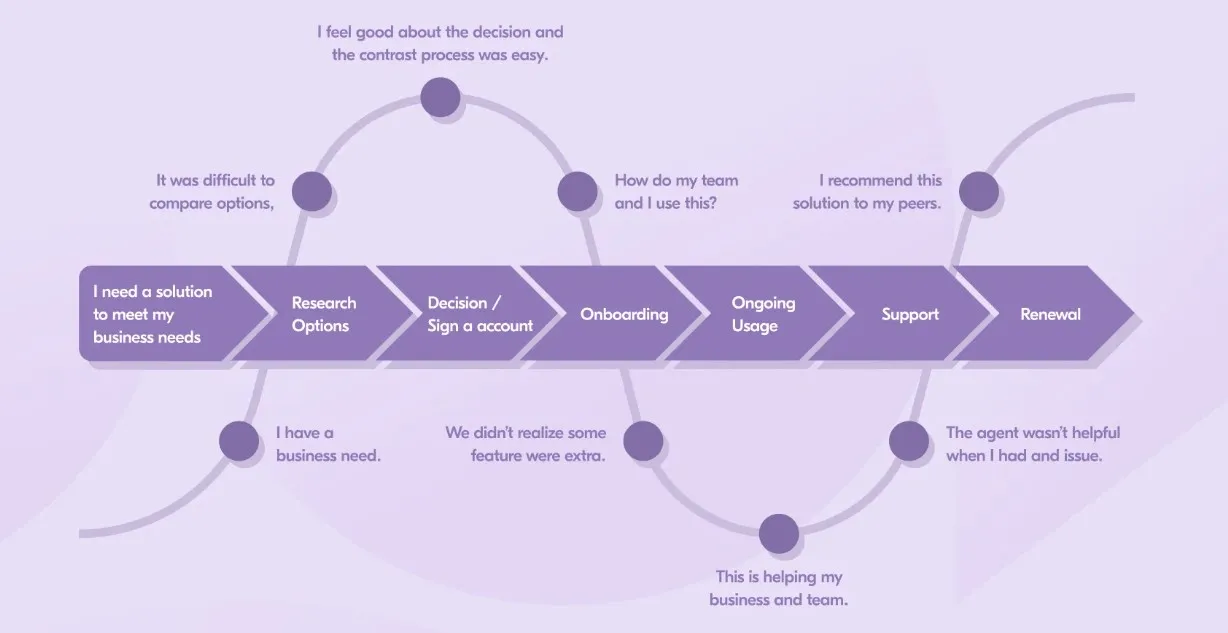
Image Source: Ninjapromo
Want to know what separates successful B2B sales teams from the rest? It’s not luck or talent, it’s planning.
I’ve found that taking a methodical approach to sales outreach doesn’t just boost conversion rates; it makes your entire process more efficient. No more shooting in the dark and hoping something sticks. Instead, you’re working with a strategic roadmap that guides every interaction.
Let’s break down the three essential components that make a sales outreach plan actually work.
Set clear goals and KPIs
You can’t hit a target you can’t see, right?
The foundation of any effective outreach strategy starts with establishing specific, measurable objectives. Without these defined targets, your team will lack direction, and you’ll struggle to evaluate how you’re really doing.
B2B sales KPIs are the quantitative measurements that show your progress toward key business objectives. They help you spot pain points, celebrate wins, and guide both individual and team performance. While it’s tempting to track dozens of metrics, focus on those directly tied to your strategic goals.
For outreach specifically, I recommend tracking:
- Lead generation metrics: Find out which sources deliver your best leads
- Conversion rates: See how effectively you’re moving prospects through your pipeline
- Sales cycle length: Know how quickly leads become customers
- Customer acquisition cost: Understand what you’re spending to acquire each new customer
Data informs everything we do in modern sales. By keeping an eye on these KPIs, you’ll gain insights that allow you to continually refine your approach.
Define your ideal customer profile (ICP)
The first step in any winning sales strategy? Knowing exactly who you’re trying to reach.
Without this clarity, you’ll waste countless hours pursuing leads that were never going to convert. Been there, done that, it’s exhausting and demoralizing.
Your ICP is essentially a detailed description of a company that’s perfectly suited for your products or services. Unlike buyer personas which focus on individuals, an ICP defines the type of organization most likely to benefit from your solution while providing adequate ROI.
When creating your ICP, consider these key characteristics:
- Industry and company size
- Geographic location and market reach
- Pain points and challenges
- Technology stack and buying patterns
- Revenue and budget parameters
By identifying these attributes, you’ll equip your sales team to focus exclusively on high-potential prospects. This targeted approach dramatically improves engagement rates since your messaging addresses specific needs rather than generic pain points.
Map out the buyer journey
The B2B buying process has changed dramatically in recent years. Understanding this journey is crucial for timing your outreach effectively.
Traditionally, the journey breaks down into three main stages:
- Awareness: Buyers recognize a problem and start researching solutions
- Consideration: Prospects evaluate options, comparing features and benefits
- Decision: The buying committee makes their final selection and completes the purchase
Each stage demands different messaging. During awareness, show them you understand their pain points. Throughout consideration, highlight what makes you different. In the decision phase, provide proof through demos, testimonials, and reviews.
Here’s what most sales teams miss: the average B2B buying decision involves 6.8 people. That’s not a typo, nearly seven people! Each stakeholder plays a different role, end users, influencers, experts, procurement staff, and ultimate decision-makers. Your outreach plan needs to speak to all these perspectives.
Building your strategy around these three elements, clear goals, defined ICPs, and mapped buyer journeys, gives you the framework to connect with the right prospects at the right time with messages that actually resonate. This systematic approach leads to higher conversion rates and more productive customer relationships.
Nice and clear, right?
Crafting messages that actually get responses
Ever feel like your sales emails are disappearing into a black hole? You’re not alone.
Your prospects are drowning in generic templates, boring pitches, and forgettable messages every single day. Yet despite all this noise, email remains their preferred contact method, with 80% of B2B buyers wanting to hear from you this way. So what’s the difference between messages that get ignored and those that get responses? It’s all in how you craft them.
Understand your buyer personas
Let’s be real, you can’t write compelling messages if you don’t know who you’re talking to.
Buyer personas go way beyond basic demographics. They represent the actual decision-makers you’re trying to reach. These semi-fictional profiles capture not just job titles but the challenges, goals, and aspirations of committee members involved in purchasing decisions.
Building robust personas isn’t a solo project. You’ll need input from across your organization:
- Sales teams provide insights from direct interactions
- Marketing contributes research and segmentation expertise
- Customer service offers perspective on ongoing needs
Here’s something people forget: despite selling to businesses, there’s still a human on the other end, someone who responds to certain cues just like anyone else. I love how Brian Solis at Altimeter puts it: “Business buyers don’t go to work and forget what they do as humans.
Write with clarity and empathy
The foundation of response-generating messages starts with understanding your prospect’s pain points. I always spend time researching before writing a single word. This research impacts everything from subject line keywords to your unique offer.
Keep your emails short and sweet, aim for around 100 words. I know you’re excited to show off all your product can do, but nobody wants to read an essay. Think of cold emailing as starting a conversation, not delivering a presentation.
Frame your message around solving problems, not just promoting features. Instead of boring them with “We offer sales tools,” try something like, “We help growing sales teams like yours streamline outreach to save time and increase conversions. See the difference?
Use personalization beyond the first name
Did you know over 50% of business recipients receive B2B marketing emails that don’t even apply to their needs? Pretty shocking, right? Standard personalization with first names just doesn’t cut it anymore.
True personalization shows you understand the prospect’s business context. Use specific insights about their:
- Recent company news or achievements
- Industry challenges they’re facing
- Growth initiatives they’ve mentioned publicly
The first line of your message determines whether it gets read or trashed. Reference a specific insight, like a recent event, company announcement, or industry trend, to connect immediately. For example: “I saw your CEO’s interview on scaling operations last week. With growth like yours, lead generation must be a big focus right now.
Avoid common cold email mistakes
I’ve seen too many people make the same mistakes over and over. Lengthy emails significantly lower response rates. Instead of listing all your product’s capabilities, focus on one clear value proposition. Similarly, avoid multiple CTAs which just confuse recipients about what action to take next.
Generic subject lines are response killers, many get flagged as spam because they’re overused. I recommend creating original subject lines under 40 characters that spark curiosity.
Another big mistake? Failing to provide upfront value. Instead of focusing solely on selling, lead with valuable insights, relevant data, or free resources. This builds trust and actually increases your response rates.
Finally, personalization mistakes can backfire badly. If your outreach feels templated despite claiming to be personal, it’ll go straight to trash. Take the time to make each message relevant to the recipient’s specific situation.
By understanding your personas, writing with clarity, personalizing meaningfully, and avoiding these common mistakes, you’ll craft messages that actually stand out in crowded inboxes and get the responses you’re looking for.
Choosing the right outreach channels

Image Source: SPOTIO
Looking to reach your prospects more effectively? You’ll need the right mix of communication channels. I’ve discovered that each channel offers unique advantages for connecting with prospects at different stages of their buying journey.
Email outreach: still effective when done right
Don’t let anyone tell you email is dead. Despite those crowded inboxes, email remains one of the top three B2B marketing channels. With over 4 billion people using email worldwide, it gives you amazing reach while making it easy to target specific prospects and track your results.
The secret to standing out? Go beyond just adding a first name. Show you’ve actually researched their business and focus on solving specific problems instead of pitching your product.
Here’s something interesting I’ve found: email works even better when it’s part of a larger strategy. In fact, 75% of B2B businesses report better prospecting outcomes when email is combined with other outreach methods.
LinkedIn: building trust through content and connection
LinkedIn has become a goldmine for B2B networking, with nearly one billion members worldwide and about 65 million decision-makers. I love using LinkedIn because it helps you bypass those overflowing email inboxes while creating more human-to-human connections.
Want to maximize your LinkedIn effectiveness? Here’s what works for me:
- Optimize your entire profile (photo, headline, summary, experience)
- Skip the pitch-heavy profile that makes people distrust you
- Post consistently (I aim for daily, but 3-4 times weekly is the minimum)
- Research prospects before you reach out
- Focus your initial messages on them, not your product features
Phone calls: when and how to use them
You might be surprised to learn that 57% of C-level buyers still prefer being contacted by phone. Unlike emails or messages, calls give you real-time conversations, immediate rapport building, and quick prospect qualification.
I’ve found the best times for cold calls are early mornings (8-9 AM) or late afternoons (4-5 PM). And here’s a stat that might surprise you: when using buyer intent data for “warm calling,” 8% of these calls resulted in booked sales meetings, that’s way better than traditional cold outreach.
Direct mail and offline touchpoints
In our digital-obsessed world, physical mail creates lasting impressions. While only 44% of buyers remember a brand after seeing digital advertising, that number jumps to 75% after receiving a physical letter. Pretty impressive, right?
Even more convincing: campaigns that include direct mail are 27% more likely to deliver top-ranking sales performance.
I’ve found that direct mail works especially well when it reinforces messages you’ve already shared through email or social media. It simply becomes harder for prospects to ignore your outreach.
Combining channels for better results
A multi-channel approach strengthens your message across various touchpoints, making engagement much more likely. Instead of using every channel simultaneously (which can feel overwhelming), I recommend creating a sequence that flows naturally:
- Start with email as your foundation
- Layer in LinkedIn for relationship building
- Add phone calls for personal connection
- Incorporate direct mail for lasting impact
This strategic approach ensures prospects see your message multiple times through different mediums, building recognition and trust. And trust me, that makes all the difference in converting prospects to customers.
Using tools and automation to scale outreach
Ever wonder what separates good sales teams from great ones? I can tell you from experience, it often comes down to the tools they use.
As my team has scaled our outreach efforts, I’ve discovered that the right technology stack makes personalization possible even when reaching thousands of prospects. Without these tools? You’re basically trying to build a house with just a hammer.
Sales engagement platforms
Sales engagement platforms (SEPs) are like the Swiss Army knives of outreach. They combine three essential capabilities: multichannel engagement, workflow automation, and time-saving AI features. These tools help streamline how sellers execute activities at scale without sacrificing that personal touch everyone’s looking for.
I’ve tested plenty of these platforms, and in 2025, these stand out:
- Outreach: Integrates sales engagement, revenue intelligence, and operations into a single platform that enhances pipeline creation and closure
- Salesloft: Provides certainty to every revenue action and customer interaction through AI-powered orchestration
- ZoomInfo: Offers AI-ready insights, trusted data, and advanced automation that empowers businesses with complete customer views
What I love about these platforms is how they automate the boring stuff while capturing sales activities directly in your CRM. This frees up your team to focus on meaningful conversations instead of admin work. Nice and clear, right?
Intent data and lead scoring tools
Want to know which prospects are actually interested before you reach out? That’s exactly what intent data reveals digital signals from potential buyers can tell you. It’s basically the digital breadcrumb trail buyers leave as they research solutions online.
Lead scoring takes this even further by assigning point values to these signals based on their importance. Higher scores mean greater conversion potential, so your team can prioritize prospects showing genuine interest. Tools like Demandbase let you integrate intent data directly into your CRM, so scores update automatically based on prospect behavior.
I couldn’t talk about intent data without mentioning ZoomInfo. Their solution stands out by helping businesses identify and engage with prospects showing active buying behaviors. Meanwhile, 6sense uses AI to predict future buying behaviors with remarkable accuracy.
CRM and scheduling integrations
Here’s something I learned the hard way: without proper integration, even the best outreach tools create more problems than solutions. You need bidirectional synchronization to ensure data flows seamlessly between your sales engagement platform and CRM.
These integrations automate critical tasks like:
- Creating contacts for meeting attendees who don’t exist in your CRM
- Updating opportunity information after sales conversations
- Automatically routing leads to appropriate team members
Trust me, these integrations save hours of manual data entry each week. Who wouldn’t want that?
AI for message optimization
AI isn’t just hype anymore, it’s transforming how we create and deliver messages in 2025. These capabilities analyze prospect data to suggest the best messaging approaches and timing.
For example, tools like Lavender analyze your email communications in real-time, offering feedback on tone and structure to boost response rates. Others, like Reply.io’s AI sequence generator, create automated campaigns across multiple channels from a single interface.
The best part? These AI assistants don’t just write messages, they continuously learn from performance data, ensuring your outreach improves over time based on what actually works. It’s like having a coach that gets smarter with every email you send.
Following up and nurturing leads the smart way
Want to know a shocking stat? Most deals only happen after 8-11 follow-ups. Yet almost half of all salespeople throw in the towel after just one attempt. Talk about leaving money on the table! This gap isn’t just a challenge, it’s a massive opportunity if you’re willing to follow up the right way.
Create a follow-up schedule
I’ve discovered that having a reliable cadence for follow-ups takes the guesswork out of the equation. It’s like having a roadmap for your outreach journey across different channels.
Here’s a follow-up schedule that I’ve seen work wonders:
- Day 1: Initial contact
- Day 3: First follow-up
- Day 10: Second follow-up
- Day 17: Third follow-up
- Day 31: Fourth follow-up
- Monthly thereafter
This approach gives you the perfect balance between being persistent and respectful. You’re allowing enough breathing room between touchpoints while staying on their radar. The key is to track which cadence is getting you the best results and tweaking as needed. After all, what works for one industry might bomb in another.
Segment leads by funnel stage
Let’s be honest, not all leads deserve the same amount of your precious time. Without proper segmentation, you’ll burn through resources chasing folks who’ll never buy while ignoring those ready to pull out their credit cards.
I organize my leads into buckets based on where they are in the sales funnel, how they’re engaging with my content, and what buying signals they’re showing.
Lead scoring makes this whole process much more scientific by assigning actual values to different behaviors and attributes. Most companies I work with segment based on:
- Industry or company size
- Engagement with specific content
- Recent actions or interactions
- Decision-making authority
When you segment effectively, your ROI jumps because you’re sending the right messages to the right people at the right time. It’s like having a conversation that actually makes sense instead of talking about snow boots to someone living in Hawaii.
Use content to educate and build trust
Between your direct outreach efforts, timely and relevant content keeps prospects engaged. When someone downloads a whitepaper or attends your webinar, follow up quickly with additional value, not just a sales pitch.
I’ve found personalization really amps up this approach. As prospects interact with different pieces of your content, use those insights to send increasingly tailored materials. For example, if someone’s been reading your case study on manufacturing efficiency, send them related information that addresses that specific pain point.
Know when to stop following up
Now, being persistent doesn’t mean becoming the sales equivalent of a stalker. Cut the line when:
- The prospect clearly says “no”
- New information shows they’re not a good fit
- You catch yourself getting frustrated or unprofessional
Otherwise, friendly persistence is totally appropriate. Remember that many prospects actually need your solution but might be dealing with timing issues, budget cycles, or other priorities.
For those prospects who go completely silent after multiple attempts, I usually add them to an automated monthly newsletter. This keeps you visible without eating up your valuable time. It’s the perfect low-effort way to stay on their radar until the timing is right.
How to measure and improve your outreach strategy
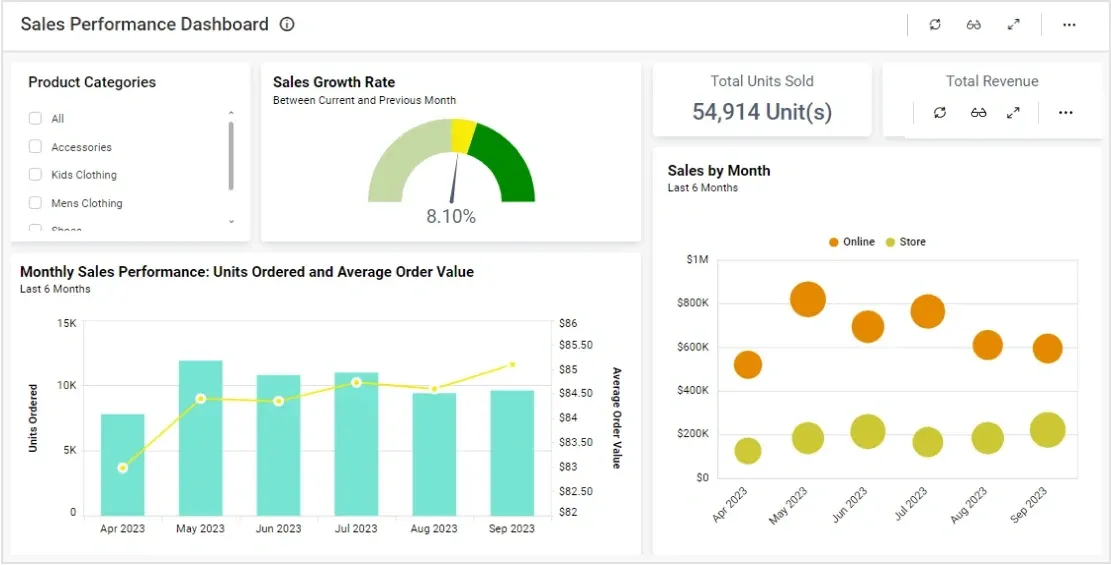
Image Source: Bold BI
Tracking the success of your sales outreach efforts isn’t optional, it’s essential. Without measuring key metrics, you’re basically flying blind. I’ve learned this the hard way over my career, and trust me, data-driven decisions beat gut feelings every single time when you’re trying to optimize your outreach.
Track open, reply, and conversion rates
Want to know if your outreach is actually working? Start with the basics. Keep a close eye on those open rates, they’ll tell you if your subject lines are doing their job. Click-through rates show if your content is engaging enough, and response rates reveal whether your messaging actually resonates with prospects.
Here’s something interesting I’ve discovered: you should also track conversion rates between pipeline stages to spot where prospects are getting stuck. Early funnel stages typically see 50-60% conversion, while later stages should hit 80-90%. If yours don’t match up, you’ve found your problem area.
Since 67% of buyers prefer email for communication, getting your email strategy right is non-negotiable. I recommend setting up weekly or monthly check-ins to review your performance data. Creating simple dashboards gives you a bird’s-eye view of what’s working and what’s not, making those data-driven decisions much easier.
Use A/B testing to refine messaging
Still guessing what works in your outreach? Stop that right now. A/B testing transforms those guesses into actual measurable outcomes by directly comparing different approaches.
When I run tests, I focus on changing just one thing at a time, maybe it’s subject lines today, CTA placement tomorrow, or email content next week. You’d be amazed at the results, sometimes just changing your greeting can double your response rates. Crazy, right?
Set clear goals for each test. Then measure everything that matters: open rates, click-throughs, conversions, and (most importantly) revenue generated. For results you can actually trust, use decent-sized samples, randomize your test groups, and stick to a defined testing period.
Review pipeline velocity and lead quality
Pipeline velocity shows how quickly leads move through your sales funnel, and it’s a huge indicator of how efficient your process really is. Here’s how I calculate it: (Number of opportunities × Average deal size × Win rate) ÷ Sales cycle length in days.
This single metric helps me forecast revenue and spot bottlenecks that are slowing down deals. What’s fascinating is how much deal size affects your sales cycle, small deals under $2,000 typically close in just two weeks, while larger ones over $100,000 can drag on for 3-9 months. And depending on your business model, win rates usually fall somewhere between 5-20%.
Adjust based on feedback and data
Your outreach strategy isn’t something you can “set and forget.” I’ve seen too many sales teams make this mistake. Instead, think of it as a living process that needs to adapt based on what your data is telling you.
Use analytics tools to track how your campaigns are performing. But don’t go overboard, tracking too many metrics at once just leads to analysis paralysis. I recommend focusing on one North Star metric, plus 3-7 supporting metrics that align with your company’s growth goals.
Don’t just rely on numbers, though. Some of my best insights have come from actually listening to feedback from both successful and unsuccessful interactions. Those conversations often reveal what the data can’t tell you about why your outreach is working, or why it’s falling flat.
Conclusion
You know what I’ve discovered after years in B2B sales? Success comes down to blending technology with genuine human connection. It’s not an either/or situation, it’s both.
Throughout this guide, I’ve shared what actually drives results in B2B sales outreach. The data doesn’t lie: personalization sits at the core of successful outreach. That 83% of buyers confirming tailored messaging enhances their experience isn’t just a nice statistic, it’s a roadmap for how we should be connecting with prospects.
I’ve seen firsthand how multi-channel strategies consistently outperform single-channel approaches. Email still works wonders (when done right), LinkedIn builds meaningful relationships, phone calls create immediate connections, and yes, even old-school direct mail offers tangible touchpoints that digital can’t match. This omnichannel approach creates multiple opportunities to engage with prospects in ways that actually resonate.
Here’s something that continues to shock me: most deals only happen after 8-11 follow-ups, yet nearly half of all salespeople give up after just one attempt! This gap represents a massive opportunity for sales teams willing to follow up strategically. Are you seeing the potential here?
Let’s be honest, without proper measurement, even the best outreach strategies are essentially operating blindfolded. Tracking key metrics like open rates, reply rates, and pipeline velocity enables continuous optimization. Strategic A/B testing turns educated guesses into proven tactics. Data beats opinions every time.
Smart automation is your secret weapon. The right sales engagement platforms, intent data tools, and AI-powered message optimization help scale personalized outreach while maintaining that crucial authentic touch. The goal isn’t replacing human connection, it’s amplifying it.
Sales outreach is evolving at breakneck speed. The teams that thrive in this landscape are those balancing technological innovation with authentic human connection. They reach prospects at the right moment, with the right message, through the right channel, turning cold contacts into valuable, lasting relationships.
The most successful sales teams I’ve worked with adapt continuously based on performance data, competitor moves, and shifting buyer behaviors. They embrace both time-tested fundamentals and emerging techniques, understanding that at its core, sales outreach connects humans solving problems together, just with increasingly sophisticated tools at their disposal.
What are you waiting for? It’s time to transform your outreach approach.
Boost your B2B sales game with GrowLeads.io. Discover effective strategies now!
FAQs
Q1. How is B2B sales outreach evolving in 2025?
B2B sales outreach is becoming more personalized and data-driven. Successful strategies now involve multi-channel approaches, leveraging AI and automation tools, and focusing on building relationships through valuable content and insights rather than just pitching products.
What are the most effective channels for B2B outreach in 2025?
The most effective channels include email (when done right), LinkedIn for relationship building, strategic phone calls, and even direct mail for lasting impact. A multi-channel approach that combines these methods tends to yield the best results.
How important is personalization in B2B sales outreach?
Personalization is crucial in 2025, with 83% of buyers reporting that tailored messaging significantly enhances their experience. This goes beyond using first names and involves demonstrating a deep understanding of the prospect’s business challenges and goals.

Runs the sales process, lead qualification, and client delivery that turn signals into qualified meetings.