Proven Cold Email Subject Lines from Top Sales Experts

Cold email subject lines can determine your outreach campaign’s success or failure. A well-tailored subject line boosts open rates to 20-25%, while generic ones barely reach 1-5%. This stark contrast explains why creating compelling subject lines needs your complete focus.
Recipients make snap decisions about emails based on subject lines alone – 64% choose to open or delete without reading further. Seven-word subject lines consistently drive the highest open rates. Cold email subject lines that hit the mark don’t just grab attention – they create 50% more engagement than weak alternatives.
Top sales experts have shared their tested cold email subject lines to help you improve your outreach results. This piece will help you find the psychology behind effective sales email subject lines and practical templates that get your messages opened. On top of that, you’ll learn testing methods to enhance your subject lines based on your audience’s priorities.
The Psychology Behind Cold Email Subject Lines
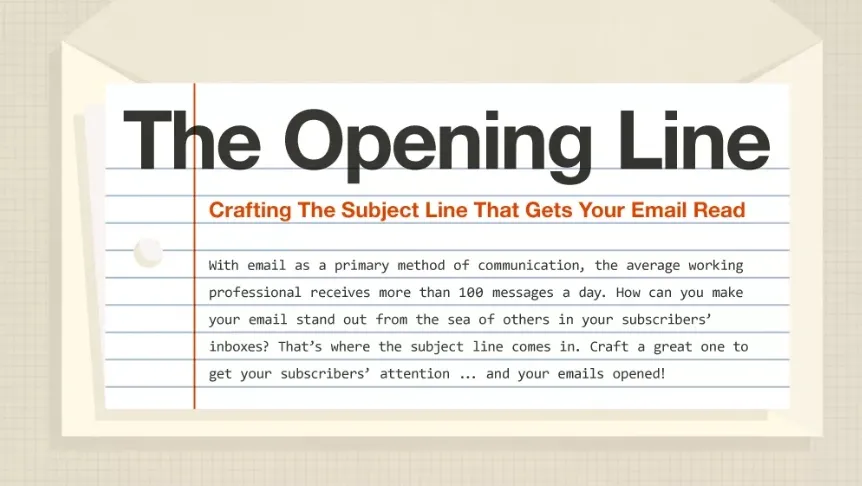
Image Source: HIPB2B – Medium
“Spotted something interesting about {{Company Name}}.”
, Aaron Ross, Author of Predictable Revenue, sales methodology expert
Cold email subject lines work best when they tap into basic psychology that shapes how recipients make decisions. You can turn average open rates into outstanding ones by understanding these psychological triggers. Let’s look at what makes people either open or ignore your emails.
How curiosity drives opens
Our brains naturally respond to gaps in information with curiosity. Subject lines that create a gap between what people know and want to know make recipients feel a “mental itch.” This itch makes them want to open your email to find answers. This explains why subject lines phrased as questions get a lot more opens.
Studies show that 33% of recipients decide to open an email just by looking at the subject line. You can create an irresistible urge to see what’s inside by holding back some information. To name just one example, subject lines like “Can I help you with [challenge]?” or “Saw this and thought of you” use this curiosity trigger.
George Loewenstein’s information gap theory helps explain why curiosity-based subject lines are so effective. Our brains want to close the loop when they see partial information. Subject lines that suggest valuable content without giving everything away naturally make recipients want to learn more.
Here are some examples that trigger curiosity:
- “This One Change Boosted Our Sales by 50%” – specific enough to intrigue, vague enough to require opening
- “Guess What’s Driving 60% of Our Sales This Month?” – asks a question that needs reading to answer
- “11 seconds to change a {{job-name}} life” – creates intrigue with an unusual time reference
The power of personalization
We all have a basic need to feel recognized and valued – personalization taps into this. Personalized subject lines get 35.69% open rates on average, while generic ones only reach 16.67%. These numbers show how much simple recognition matters in email marketing.
The psychology behind this is simple yet powerful – people love feeling special. Your message stands out from the flood of generic emails when you include the recipient’s name, company name, or mention their specific challenges.
Using someone’s name gets the highest average open rate at 43.41%. Company names come next at 35.65%, and mentioning specific pain points achieves 28%. Adding personalized subject lines can boost open rates by up to 50%. This makes personalization one of your most powerful email marketing tools.
Good personalization goes beyond just adding names. It shows you’ve done your homework. Mentioning recent company news, achievements, or challenges shows you understand their situation. This builds trust and makes people more likely to participate.
Cognitive biases in subject line writing
Email marketers can ethically use the mental shortcuts that shape our decisions. These unconscious biases affect how recipients judge your subject lines and decide to open them.
The anchoring effect shows how people process your subject line’s information. Strong opening information colors how they see everything after it. People also tend to favor information that matches what they already believe – confirmation bias explains why subject lines about known pain points work so well.
We fear losing things more than we want to gain something equal in value – that’s loss aversion. That’s why subject lines like “Only 3 seats left!” work well. They emphasize what people might miss out on.
Social proof is another powerful bias. People naturally trust others’ opinions when making decisions. Subject lines like “Join 15,000 other marketers using this tool” work because they show collective behavior. People trust you more when they see others do too.
The endowment effect shows how people value things more once they feel ownership. Subject lines that make recipients feel they already own something increase perceived value and open rates.
Understanding these psychological principles helps you create cold email subject lines that don’t just fight for attention – they naturally make people want to open them by working with how our minds think.
What Makes a Good Subject Line for Sales Emails
“Mind if I share something unexpected I found?”
, Bryan Kreuzberger, Founder of Breakthrough Email, sales email strategist
Writing effective subject lines for sales emails needs a balance of key elements. I’ve analyzed hundreds of successful cold email campaigns and found that the best subject lines follow specific principles that boost open rates. These principles can help you improve your email performance and keep you out of the spam folder.
Clarity over cleverness
Sales email subject lines work better when they’re straightforward rather than trying to be clever. Sales professionals often try too hard to be creative instead of being clear, which makes their emails less effective. As one email marketing expert says, “Choose clarity over cleverness”.
A clear subject line shows value and purpose right away. Your busy recipients don’t have to guess what the email’s about. Subject lines that get straight to the point tell readers exactly what to expect from your email. This approach values your recipient’s time and sets the right expectations.
Cold emails need to be both clear and brief. Research shows that subject lines with 6-10 words get opened most often, and seven words hit the sweet spot. This limit makes you focus on what’s most important, which naturally makes your message clearer and more powerful.
Relevance to the recipient
Relevance is the life-blood of any successful sales email subject line. Your subject line should speak directly to what interests your recipients, what challenges they face, or what they need. It must answer one simple question: “What’s in it for me?”
Adding personal touches makes emails more relevant, and personalized subject lines get opened up to 50% more often. Studies also show that emails with personalized subject lines get 600% more clicks than generic ones.
True personalization goes beyond just using names. It shows you understand who you’re writing to. This includes:
- Referencing their industry or role
- Mentioning recent company events or achievements
- Acknowledging specific business challenges they face
- Timing your message to match relevant events
This deeper personalization shows you’ve done your homework about their situation. It builds trust and gets people to respond more often.
Emotional triggers that work
Using emotional triggers in subject lines can change how recipients act. These psychological buttons tap into basic human motivations that make people take action. Here are the most powerful emotional triggers for sales email subject lines:
Curiosity creates a gap in information that makes recipients want to know more by opening your email. Subject lines that hint at valuable information without giving everything away create an urge to learn more.
Urgency gets people to act fast because they don’t want to miss out. Email subject lines that create urgency can boost open rates by 22%. Just make sure your urgency is real – fake scarcity will hurt your credibility.
Anticipation creates good feelings about something valuable coming up. This works really well for first-time emails that promise helpful insights or solutions.
Value proposition shows benefits clearly and answers “what’s in it for me?” Subject lines that show specific, measurable advantages (like “Save 10 hours weekly with our solution”) really stand out.
Problem recognition talks about specific pain points right away. Mentioning challenges in your subject line shows you understand and have solutions.
The secret to making emotional triggers work is being genuine. Your email must deliver what your subject line promises. If it doesn’t, you’ll lose trust and people will unsubscribe.
8 Best Cold Email Subject Lines from Sales Experts
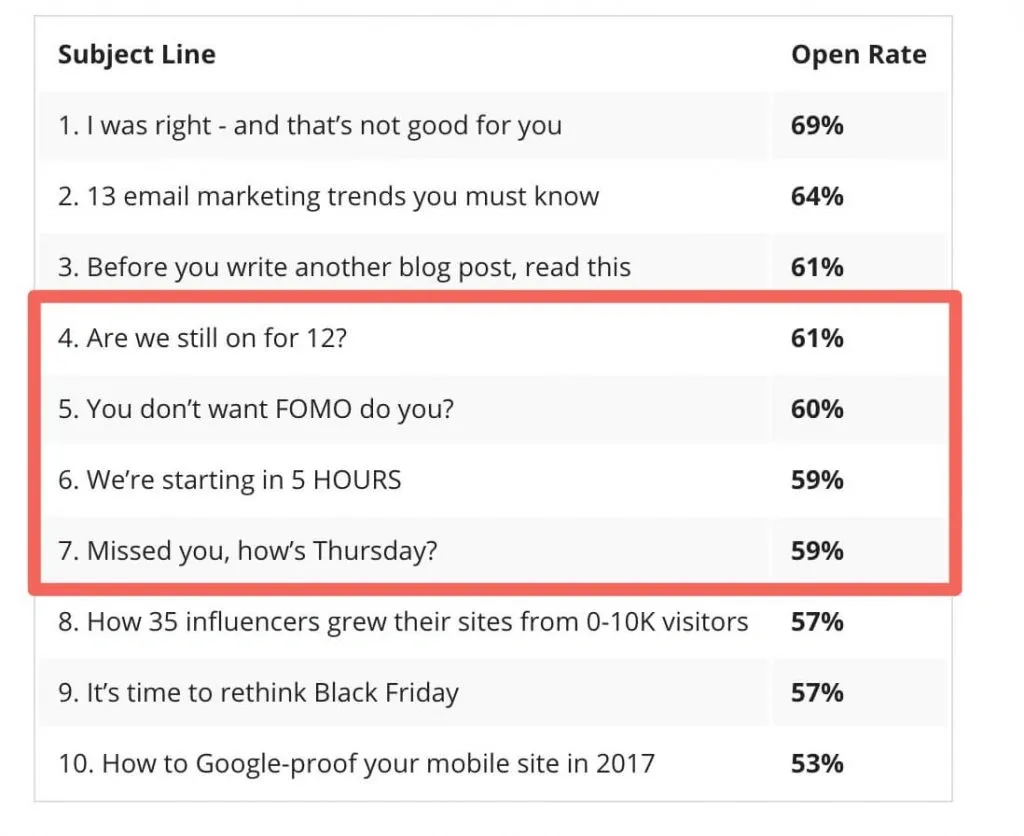
Image Source: GMass
Eight subject line formulas help top sales professionals achieve great open rates. These templates blend psychological triggers with real-world applications to help your emails stand out in crowded inboxes.
1. ‘Quick question about [goal]’
This subject line works because it connects with the recipient’s professional goals in a casual way. Your research about what matters to them becomes clear. HubSpot data shows this approach creates curiosity without sounding too sales-focused.
The formula succeeds through specificity. Instead of just saying “quick question,” mention a goal your prospect cares about. Your outreach becomes personal and you come across as an advisor rather than another sales rep.
When to use it: This works best as your first message after researching the prospect’s current projects or problems.
2. ‘Can I help you with [challenge]?’
Your message starts by showing you’re here to solve problems, not just push products. The recipient sees their challenges acknowledged and potential solutions offered. A helpful approach from the start creates trust and opens doors.
Email testing shows that subject lines asking questions about specific needs get many more opens. Questions feel personal and make recipients think about whether they need help with that challenge.
When to use it: This works best if you understand the prospect’s pain points through research or industry experience.
3. ‘Congrats on [event] – quick idea’
People love recognition. This subject line pairs congratulations with added value, making it very effective. Research shows well-timed congratulatory subject lines about recent achievements can get open rates above 80%.
The approach succeeds by acknowledging success before making any requests. This triggers reciprocity – a core principle that drives sales.
When to use it: Timing matters most – send these right after company news, awards, funding rounds, or achievements.
4. ‘Saw this and thought of you’
Curiosity builds as this subject line shows you’ve considered their interests. The personal touch makes your message feel like it’s from a colleague, not a sales pitch.
The natural way we share information with friends makes this approach work well. Email marketing data shows this casual, friendly style can boost open rates by creating real connections.
When to use it: Share relevant content, industry research, or news that matches their business needs.
5. ‘Let’s cut to the chase’
Busy professionals appreciate this direct approach that respects their time. HubSpot notes this subject line creates urgency and gratitude by showing you value every second.
Your directness stands out among vague or misleading subject lines. Recipients know they’ll get a short, valuable message.
When to use it: This works best with busy executives who like straight talk.
6. ‘You’ll love this article, [name]’
Personal touches and immediate value combine in this subject line. Brafton’s research shows adding the recipient’s name can boost engagement up to 50%.
The article or resource must match their interests or challenges. This formula succeeds by giving value before asking anything back.
When to use it: Share quality content that addresses your prospect’s specific challenges.
7. ‘Still struggling with [pain point]?’
Your industry knowledge shines as you address ongoing challenges. HubSpot data confirms this subject line works by showing you understand their situation.
Questions make people reflect and wonder about solutions. The focus on lasting issues rather than temporary problems makes this especially powerful.
When to use it: You need solid evidence that the prospect faces this challenge.
8. ‘Here’s how [client] solved it’
This subject line makes use of social proof – a key factor in decision-making. Real examples of clients solving similar problems build trust and relevance fast.
Success stories work because they offer proof. Mailshake reports that sharing specific results from similar companies boosts open rates by showing real success.
When to use it: Reference clients from the same industry or with matching challenges.
How to Personalize Subject Lines at Scale
Mass personalization of cold email subject lines delivers standout results, even when you send hundreds of messages daily. Research shows that personalized subject lines can boost open rates by 20% and revenue by up to 20%. Let me share some proven strategies to scale personalization while keeping quality high.
Using merge tags and variables
The days of impressing recipients with {{firstName}} and {{companyName}} are long gone. Today’s professionals expect more sophisticated outreach than these simple merge tags. Advanced merge tags remain powerful personalization tools that you can use strategically.
Your merge tags should include more than just names and companies:
- Industry-specific information
- Geographic location or time zone
- Recent company developments
- Role-specific pain points
- Team size or company stage
Preview text plays a vital role in making subject lines work. GSuite shows 120 characters of preview text, letting prospects quickly see if your message feels personal or generic. Your subject line should lead with personalized elements to maximize open rates.
Referencing recent activity or content
Prospects respond better when you mention their recent activities. LinkedIn profiles give you great personalization material because professionals keep their profiles updated with interests and priorities.
Look for personalization opportunities in these places:
- Recent LinkedIn posts or articles they’ve shared
- Company “About” sections on websites
- Recent blog posts from their corporate site
- Team announcements or new initiatives
- Social media activity (but stay professional to avoid seeming intrusive)
A prospect’s favorite sports team, recent blog post, or unique hobby mentioned in their LinkedIn bio creates instant connections. New industry developments, executive hires, or expansion announcements give you natural conversation starters for timely outreach.
Segmenting by persona or industry
Strategic segmentation helps you scale personalization when individual research isn’t possible. Dividing your prospect list into focused segments lets you craft relevant messages that feel personal without researching each recipient.
Smart segmentation categories include:
- Industry vertical or sector
- Geographic region or time zone
- Company size or growth stage
- Role or department
- Specific challenges by segment
- Recent industry developments
Segmentation lets you create subject lines that address specific pain points for each group. This approach helps you personalize at scale while staying authentic. Email marketing data shows that segmented campaigns achieve 100.95% higher click rates compared to non-segmented ones.
AI-powered personalization tools in sales technology platforms analyze prospect data and generate personalized subject lines automatically. These tools do the heavy lifting while you add strategic personal touches where they matter most.
Cold Email Subject Lines by Campaign Type
Email campaigns need specific subject line approaches that work best for each objective. The sales process needs unique messaging strategies to reach prospects with the right message at the right time.
Introductory emails
Your first contact with prospects should quickly show value and relevance. Subject lines that create an immediate connection work best for cold outreach, while still being respectful.
These subject lines perform exceptionally well for introductions:
“{{First Name}}, your work caught my eye, let’s chat!” – Research-based personalization makes this approach effective.
“I’m {{Your Name}}, let’s chat about {{Shared Interest}}!” – Common ground and purpose become clear right away.
“{{First Name}}, can I introduce myself real quick?” – Recipients know what to expect – a brief, non-pushy introduction.
Success comes from these subject lines because they add a personal touch without being pushy. They set up meaningful conversations instead of jumping straight into sales.
Follow-ups
Recipients already know you when you send follow-up emails, so they need a different strategy. Mentioning previous conversations while adding fresh value helps boost open rates.
“Just bumping this up, curious about your thoughts” – A gentle nudge creates urgency naturally.
“Following up in case this got lost” – Recipients get an easy way out while seeing your previous message.
“Let’s take a look” – This beats generic phrases like “checking in” by showing action and value.
Good follow-up subject lines never sound desperate. Subject lines like “Please reply” or “Sorry for bothering you again” don’t work well.
Meeting requests
Direct and specific subject lines work best for meeting requests. Clear timing suggestions and purpose statements get the best results.
“Wednesday meeting at 12” – Specific times create natural urgency.
“Talk on [day] at [1:45]?” – Non-standard times make requests feel more thoughtful.
“10 minutes to discuss [specific benefit]” – Recipients know exactly what to expect.
Break-up emails
Break-up emails often get surprising response rates when crafted well. These subject lines show you’re moving on while giving one last chance to connect.
“Permission to close your file?” – Bryan Kreuzberger’s data shows this gets a 76% response rate.
“Should I stay or should I go?” – A memorable touch of humor prompts decisions.
“Closing the loop” – Professional finality comes through clearly.
Great break-up subject lines share three qualities: brevity, easy response options, and clear confirmation of interest level.
Tools to Help You Write Better Subject Lines
Specialized tools make it easier to create subject lines that drive higher open rates without triggering spam filters. Many purpose-built applications can help you write compelling subject lines that work.
Subject line graders
Subject line graders compare your text against proven metrics that work. SubjectLine.com provides a free rating tool based on data from over 15 million subject lines and 3 billion+ tracked email messages. The platform checks your subject line against 800 unique rules to spot filtering issues, deliverability concerns, and marketing factors.
Mailmeteor’s Email Subject Line Tester scores your subject lines and suggests AI-generated alternatives. You’ll get instant feedback on length, grammar, emoji usage, and spam trigger words.
Touchstone meets enterprise needs with paid testing that matches your subject lines to a massive database of 21 billion emails.
AI-powered generators
AI tools create subject lines tailored to your campaign goals. Encharge’s free subject line generator uses GPT-4 to create endless combinations that boost conversion rates. You just need to type your query to get fresh ideas right away.
Omnisend’s AI generator creates personalized, high-converting subject lines from a few keywords about your email content. The tool helps break through creative blocks and makes your emails stand out.
Copy.ai‘s Email Subject Line Generator suggests subject lines with power words and curiosity gaps. Email marketers and demand generation specialists find this tool valuable.
Deliverability checkers
Great subject lines fail when emails end up in spam folders. ZeroBounce’s free subject line checker finds known spam trigger words in your text. The tool shows the ratio of spam words to safe words to help you spot potential issues.
Is Not Spam quickly tells you if your email might be marked as spam. Send your message to get an instant spam filter report.
ZeroBounce’s Email Server Testing runs 200+ tests on server setup, header information, DNS records, and email authentication. This reveals technical problems that could block inbox delivery.
Inbox Placement Testing tools check if your campaigns reach 20+ mail providers like Gmail, Outlook, and Yahoo. These services show whether emails land in the inbox, spam folder, or promotions tab.
Subject Line A/B Testing: What to Measure
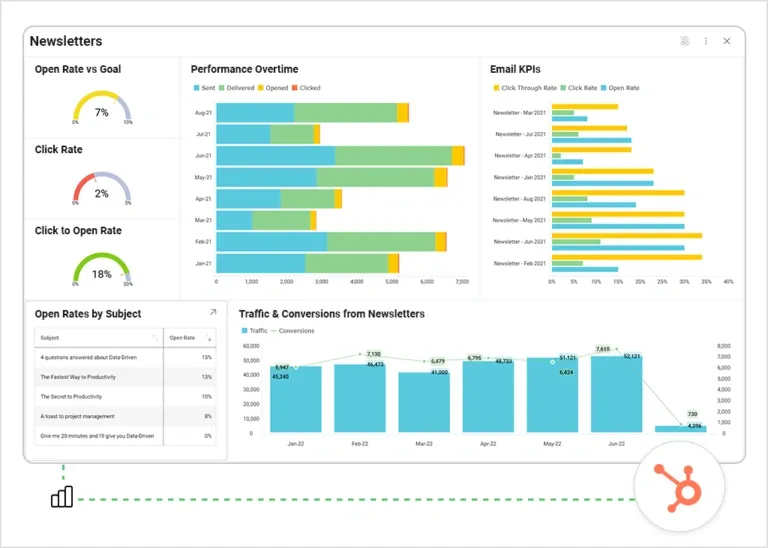
Image Source: Slingshot
A/B testing has changed how we craft cold email subject lines. It gives us analytical insights rather than making us rely on guesswork. Many salespeople find it hard to measure what really matters in their tests, despite having sophisticated tools at their disposal.
Open rate vs. reply rate
Open rates by themselves can mislead us about subject line effectiveness. A subject line might get opens from curiosity but fail to get responses. You need to track both metrics to spot this disconnect. Reply rates tell a more complete story since they include every email sent and all responses, both positive and negative. This makes them more valuable than typical email marketing metrics like open rates.
Top-performing campaigns achieve a 20% reply rate or higher. Many marketers still focus only on opens. Positive replies, booked meetings, and generated business show that your targeted prospects truly care. They’re not just clicking because they’re curious.
Time of day impact
Tests show that timing substantially affects subject line performance. People settle into their workday during mid-morning (10 AM – 12 PM), making it an ideal time. Testing different send times reveals that late mornings, particularly between 10 and 11 AM on Tuesdays, lead to better participation.
Keep all other elements constant while you test different times. This helps you learn when your specific audience responds best to your type of message.
Mobile vs. desktop performance
24.45% of emails get opened on mobile devices. This makes testing your subject lines’ appearance across platforms vital. Mobile clients show 30-40 characters, while desktop clients display 60+ characters.
Length isn’t the only consideration. Different formatting approaches need testing too. Emoji performance varies between mobile and desktop clients. A/B testing shows these differences and helps optimize for your audience’s main reading environment.
Start with a clear hypothesis instead of randomly testing different subject lines. This focused approach creates applicable information to improve all future campaigns.
Mistakes That Kill Your Open Rates
Your cold email campaigns can fail instantly when recipients reject your subject lines. We identified three major mistakes that ruin open rates despite great content and targeting.
Clickbait tactics
Deceptive subject lines might get you quick opens but they’ll destroy trust over time. Recipients lose faith in you when they find out you used fake “Re:” or “FWD:” to make it look like an ongoing conversation. The data shows that all but one of these subscribers will unsubscribe when subject lines don’t match the actual message content.
Words like “free,” “guaranteed,” or “act now” don’t just hurt trust – they can block your email delivery completely. Your emails are nowhere near reaching inboxes when you use too many exclamation points and ALL CAPS formatting.
Too long or too short
The length of your subject line directly affects how people see and understand it. Mobile email apps show only 30-40 characters, which makes long subject lines useless. You’ll get better results with subject lines between 21-50 characters or about 6-10 words.
Studies show that 1-3 word subject lines often get the highest opens because they create curiosity through their brevity. Therefore, each extra word relates to lower open rates, which proves that aggressive editing helps performance.
Lack of clarity or value
Subject lines like “Quick Question” or “Monthly Newsletter” fail because they don’t show any real value or relevance. People delete emails rather than try to decode your message when you don’t clearly state your point.
Generic subject lines show you didn’t do your homework and come across as mass-produced spam. The best subject lines connect your recipient’s problems with your solution. Irrelevant ones go straight to junk.
Note that clear beats clever every time. Creative subject lines might seem fun, but simple messages that show immediate value work better than vague alternatives.
Conclusion
Time to Transform Your Cold Email Subject Lines
Creating powerful cold email subject lines needs both art and science. This piece explores psychological principles, formulas from top sales experts, personalization techniques, and testing strategies that boost open rates substantially.
Subject lines are the gateway to your email campaign’s success. Seven-word subject lines work best, and personalization can increase open rates from a dismal 1-5% to an impressive 20-25%. Clear messages beat clever ones every time.
You should start using these proven formulas while adding your unique touch. Begin with the eight expert templates we covered and test variations with your specific audience. The tools we discussed help grade, generate, and verify your subject lines before sending.
Top sales professionals see subject lines as ongoing experiments rather than fixed formulas. They test different approaches and measure both open and reply rates to refine their strategies based on actual data.
Writing subject lines might seem tough at first, but the process becomes easier once you grasp the psychology and follow proven frameworks. Your cold emails will catch attention in crowded inboxes when you mix curiosity, personalization, and clear value propositions.
A great subject line does more than get your email opened, it sets the stage for meaningful conversations that lead to sales. Those few critical words at your message’s top determine whether recipients delete or engage with your email.
Put these lessons to work in your next campaign. You’ll see better results right away, but keep testing to succeed long-term. Your audience’s perfect subject line awaits as you thoughtfully apply these principles.
Get more opens. Close more deals. Explore email strategies at Growleads.io.
FAQs
Q1. What makes a cold email subject line effective?
An effective cold email subject line is concise (ideally 6-10 words), personalized to the recipient, creates curiosity, and clearly communicates value. It should avoid clickbait tactics and instead focus on relevance to the recipient’s interests or challenges.
Q2. How can I personalize cold email subject lines at scale?
To personalize at scale, use advanced merge tags beyond just name and company, reference recent activities or content from the prospect, and segment your audience by industry, role, or specific pain points. AI-powered tools can also help generate personalized subject lines based on prospect data.
Q3. What are some proven cold email subject line formulas?
Some effective formulas include: “Quick question about [goal]”, “Can I help you with [challenge]?”, “Congrats on [event] – quick idea”, “Saw this and thought of you”, and “Here’s how [client] solved it”. These tap into curiosity, offer value, and show you’ve done your research.
Q4. How important is A/B testing for cold email subject lines?
A/B testing is crucial for optimizing cold email subject lines. Test different variations, focusing on open rates and reply rates rather than just opens. Consider testing factors like personalization, length, time of day sent, and performance across mobile vs. desktop.
Q5. What common mistakes should I avoid in cold email subject lines?
Avoid using clickbait tactics, making subject lines too long or too short, and failing to communicate clear value or relevance. Don’t use deceptive practices like fake “Re:” or “Fwd:” prefixes, and steer clear of spam trigger words that could affect deliverability.

Builds the demand intelligence, automation, and deliverability systems behind Growleads pipeline.