
The Hidden Truth About Buying B2B Leads Strategy in 2026

Struggling with B2B leads strategy generation in 2025? I get you. With 85% of B2B marketers calling it their #1 challenge, finding quality leads isn’t getting any easier. And the stakes? They’re higher than ever.
The B2B buying world has completely transformed over the last decade. Forbes reports that buying committees have ballooned from 6-7 decision-makers to a whopping 14-15 people or more. Meanwhile, 77% of buyers find the purchasing process very difficult. This complexity creates both headaches and opportunities when you’re hunting for B2B sales leads for your outreach campaigns.
I’ve spent years in the trenches of B2B lead generation, and one thing’s crystal clear, buying leads can either fill your pipeline with golden opportunities or flush your budget down the drain, depending on how you approach it. B2B leads just aren’t like B2C ones. They come with higher stakes, longer sales cycles, and multiple decision-makers who all need to sign off. With typical lead generation taking one to three months, you can’t afford a strategy that ignores these realities.
In this guide, I’ll walk you through everything you need to know about buying B2B leads in 2025, from separating quality providers from the junk to avoiding expensive pitfalls and maximising your ROI once those leads hit your CRM. Whether you’re dipping your toes in for the first time or looking to improve your current approach, you’ll walk away with actionable insights to make smarter decisions.
See How My Agency Can Drive More Traffic to Your Website
SEO – unlock more SEO traffic. See real results.
Content Marketing – our team creates epic content that will get shared, get links, and attract traffic.
Paid Media – effective paid strategies with clear ROI.
What Buying B2B Leads Strategy Means in 2025
The B2B lead buying world has completely changed in 2025. Between tighter marketing budgets and buyers who behave nothing like they used to, what it means to “buy leads” isn’t what it was. Let’s look at what’s happening when companies purchase B2B leads today.
Why Companies Still Buy B2B Sales Leads
Despite all the buzz around inbound marketing, companies continue investing in purchased B2B leads for some practical reasons. First, it’s typically more cost-efficient than starting from scratch, businesses generate about 50% more genuinely interested leads while spending roughly 33% less compared to building everything in-house.
Time savings is another huge factor. One executive told me straight up, “Purchasing leads removes the time, effort, and cost of extensive lead generation campaigns, especially in competitive industries.” This immediate access lets sales teams focus on building relationships instead of hunting for prospects all day.
Plus, there’s the scaling advantage. When you work with a good lead provider, you can easily dial your lead volume up or down based on your capacity and growth stage. This flexibility helps businesses grow steadily without overwhelming their sales team or letting opportunities slip away.
The Difference Between Buying Leads and Buying Access
There’s a huge difference between simply buying contact lists and buying access to intelligence. In 2025, just purchasing raw contact data without context? That approach has become a fast track to wasted budget.
Modern B2B lead buying is about purchasing access to:
- Data intelligence platforms that provide firmographic and technographic filtering capabilities
- Intent-based systems that identify companies actively researching solutions like yours
- Verified contact channels with compliance-checked communication permissions
As one data provider put it to me, “A great lead isn’t just a name on a list; it’s a well-matched opportunity backed by context, quality, and timing”. This represents a fundamental shift from buying lists to buying insights about potential buyers.
The most valuable lead sources now include buying signals and intent data. With 72% of buyers encountering Google’s AI Overviews during their research, you need leads that come with context about where prospects are in their buying journey.
How the Lead Buying Landscape Has Changed
The evolution of B2B lead buying has been dramatic. Just five years ago, analyst reports were how buyers researched solutions. Today? Only 14% of buyers even look at these reports, that’s a massive 60% drop since 2022. And get this, 90% of buyers now double-check AI-generated research by going straight to the source materials.
Social proof dominates decision-making in 2025, with 77% of buyers reading user reviews and 54% talking directly to current users before purchasing. This completely changes how verification happens.
The buying timeline has also compressed significantly. The average B2B buying cycle is now just 3.8 months, with 82% of buyers already having a favorite when they create their shortlists. This means lead providers can’t just hand over contact info, they need to deliver signals of genuine interest.
Buyers now want self-service options, with 86% preferring digital channels that let them research independently. As a result, lead providers now focus on intent data that captures these digital research behaviors rather than just handing over contact information.
For you as a business buying leads today, this means shifting your focus from quantity to context, not just who might buy someday, but who’s actively looking to solve problems your solution addresses right now.
Unlock Thousands of Keywords with Ubersuggest
Ready to Outrank Your Competitors?
- Find long-tail keywords with High ROI
- Find 1000s of keywords instantly
- Turn searches into visits and conversions
Free keyword research tool
The risks of buying low-quality B2B leads
Image Source: B2B Rocket
Thinking about buying cheap B2B leads? I’ve been there. It seems like a quick win, but trust me, the consequences can be brutal. I’ve watched companies flush thousands of dollars down the drain and waste countless hours chasing ghosts. Let’s look at the real risks you’ll face when you cut corners on lead quality.
Outdated or inaccurate contact data
Data decay happens way faster than most people realize. B2B contact data rots at a shocking 2.1% monthly rate, which adds up to 22.5% annually. Do the math, if you have 10,000 contacts, over 2,000 will be garbage within a single year.
The financial hit? It’s massive. Gartner found that the average business loses about $15 million yearly due to poor data quality. When your sales team chases these outdated leads:
- They waste hours calling people who left their jobs months ago
- Your marketing budget evaporates on campaigns targeting non-existent prospects
- Revenue potential tanks (IBM says by up to 27%)
And that’s not even counting the reputation damage. Repeatedly contacting the wrong people frustrates potential customers and leads to complaints. No wonder 40% of inside sales teams call outdated data their biggest headache. It kills productivity while real opportunities slip through your fingers.
Lack of intent or buying signals
Even when the contact info is spot-on, leads without proper intent signals are mostly a waste of time. Intent data by itself doesn’t cut it, it just points you in a general direction without confirming any real interest.
Here’s a real scenario I’ve seen: A company buys third-party intent data showing a prospect’s interest in their solution. Great, right? Nope. By the time they actually reach out a week later, that prospect is already deep in negotiations with a competitor. With intent data, timing is everything.
The real gold comes from combining third-party intent with your own first-party signals, website visits, content downloads, event attendance. Without these additional indicators, your team burns hours chasing leads with minimal conversion potential, and your marketing ROI goes down the drain.
Compliance and privacy issues
Navigating the maze of data privacy regulations isn’t just annoying, it’s dangerous territory. With tough laws like GDPR in Europe and CCPA in California, buying leads without proper consent verification can land you in serious legal hot water.
Non-compliance can hit you with:
- Massive financial penalties
- Lengthy legal investigations and actions
- Permanent reputation damage and lost customer trust
Should you be worried? Absolutely. An Insider Intelligence survey found that 80% of marketers fear their technology vendors might put them at risk of violating GDPR. And they’re right to worry, companies that fail on data privacy generate fewer quality leads and close fewer deals.
For any solid B2B lead buying strategy, you need to verify that your provider is registered with data protection authorities and follows proper consent protocols. Skip this step, and you risk not just legal nightmares but also destroying the very trust you’re trying to build with potential customers.
How to evaluate a B2B lead provider
Picking the right B2B lead provider can supercharge your sales pipeline, or completely derail it. I’ve evaluated dozens of providers for my clients over the years, and I’ve found that the difference between gold-standard and mediocre lead services usually boils down to five critical factors. Let’s dig into what separates the winners from the time-wasters.
Check for data freshness and accuracy
Ever heard the expression “garbage in, garbage out”? That’s exactly what happens with stale B2B data. Your lead provider should be obsessive about data hygiene, especially since databases decay by about 20% annually. When you’re vetting potential partners, don’t be shy about asking:
Data sourcing transparency: The good ones will happily share how they collect their data. If they get all mysterious when you ask this question, that’s a massive red flag.
Verification frequency: Top-tier providers constantly validate their data, not just in occasional batches. Ask specifically about their Contact Validation Score or whatever metrics they use to measure accuracy.
Cleaning protocols: Get the details on how often they scrub and re-verify contact information. Quality providers will either remove or re-verify any data that falls below their accuracy thresholds.
Look for firmographic and technographic filters
Effective B2B lead generation isn’t about casting a wide net, it’s about precision targeting based on company attributes. When sizing up providers, prioritize those with serious filtering capabilities:
Firmographic data access: Your provider should let you filter by everything that matters, industry classification, revenue size, employee count, legal status, and executive contacts. These details help you zero in on prospects that match your ideal customer profile.
Technographic insights: This is the good stuff, data that reveals what’s in a prospect’s tech stack, including software hidden behind firewalls. This information is gold for understanding compatibility with your solution and spotting gaps your product could fill.
Filtering granularity: Take their platform for a test drive. The best providers let you drill down with multiple variables, including contact tenure and specific keywords. This level of precision usually indicates they’re working with rich, complete data, not just basic contact lists.
Ask about intent data and buying signals
Intent data is what transforms ordinary leads into hot opportunities by showing you which companies are actively researching solutions like yours:
Signal types: Quality providers offer multiple signal categories, behavioral signals, firmographic signals, and technographic signals. Combined, these create a comprehensive picture of how ready a prospect is to buy.
Intent data sources: Double-check how they collect their intent data. Reputable providers like Bombora gather data through consent-based frameworks that respect privacy. The sketchy ones might use questionable methods that could land you in hot water compliance-wise.
Real-time capabilities: Find out if their platform alerts you to sales triggers like company expansions, leadership changes, and acquisitions. These timely notifications help you reach prospects at exactly the right moment.
Ensure CRM and tool integration
Even the richest lead data becomes a headache when you can’t smoothly incorporate it into your existing workflow:
Integration compatibility: Make sure the provider connects seamlessly with your specific CRM and sales engagement platforms. This prevents manual entry errors and keeps your process running smoothly.
Field mapping capabilities: Ask about custom field mapping options that tailor integrations to your unique setup. This flexibility ensures data flows correctly into your systems without a ton of manual adjustments.
Operational features: Look for providers offering CRM sync logs that document exactly what information has entered your system. These logs are lifesavers when you need to troubleshoot data issues.
Review case studies and client results
Past performance often predicts future results. When evaluating B2B lead providers, take a hard look at their track record:
ROI metrics: Quality case studies highlight specific returns on investment. Look for concrete examples like “300% ROI from email and teleprospecting” rather than vague promises about “improved results.”
Comparable businesses: Don’t be shy about requesting references from companies similar to yours in size, industry, or target market. Their experiences will likely mirror what you can expect.
Results timeframe: Good case studies tell you how quickly results materialized. For instance, one case study showed a “digital leader improves leads, closes deals in 6 months”. This helps set realistic expectations for your own campaigns.
Selecting the right B2B lead provider isn’t something to rush. By asking pointed questions about data quality, filtering capabilities, intent signals, integration options, and proven results, you’ll identify partners who can actually deliver qualified leads that move your sales process forward.
8 Things to Check Before You Buy B2B Leads
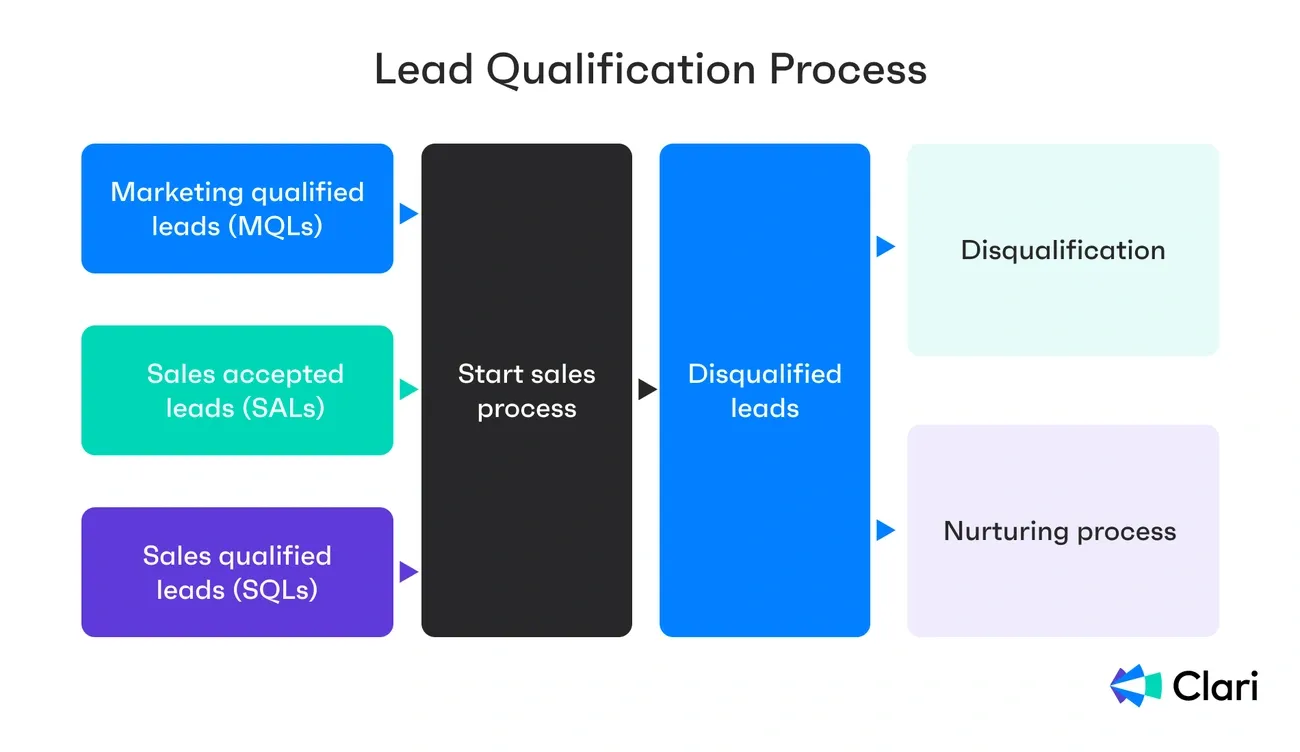
Image Source: Clari
Ready to pull the trigger on that B2B leads purchase? Not so fast. I’ve seen too many companies waste thousands on leads that never convert. Before you hand over your credit card, run through these eight critical checkpoints to make sure you’re getting quality data that actually aligns with your sales goals.
1. Is the data GDPR/CCPA compliant?
First things first – is your lead provider playing by the rules? Privacy regulations aren’t optional these days. Non-compliance penalties are brutal, up to €20 million for GDPR violations and $7,500 per intentional violation under CCPA. Quality providers won’t hesitate to explain their compliance processes, including how they handle opt-outs and privacy policies. If they get squirmy when you ask these questions, run the other way.
2. Are the leads matched to your ICP?
Are you getting leads that actually match your ideal customer profile? Generic leads are basically throwing money down the drain. Trust me on this one, I’ve seen companies waste entire quarters chasing the wrong prospects. Your provider should let you filter by company size, revenue, location, and industry to laser-target your perfect accounts. A well-defined ICP is your compass for finding companies most likely to buy from you.
3. Do they include verified contact info?
How often does your provider verify their data? This is crucial since B2B contact information goes stale at a shocking rate, about 22.5% annually. That means nearly a quarter of your database becomes useless every year! Look for providers that verify emails in real-time as you export leads and maintain accuracy rates of 95% or higher. Anything less and you’re paying for digital dust.
4. Are buying signals included?
Does the package include intent data and buying signals? These signals, like website visits, content downloads, and competitor research, separate tire-kickers from serious buyers. The best providers offer multiple signal categories including behavioral, firmographic, and technographic indicators. Without these signals, you’re essentially cold calling, and who wants to do that in 2025?
5. Can you filter by job title and seniority?
Can you zero in on specific job titles and seniority levels? There’s nothing worse than crafting the perfect pitch only to discover you’re talking to someone without purchasing authority. I’ve found that AI-powered tools that analyze company structures deliver the best results, especially since job titles vary widely across different organizations. You need to reach decision-makers, not just whoever answers the phone.
6. Is the data enriched with firmographics?
Does the provider include comprehensive firmographic data? This information, company size, industry, revenue, organizational structure, transforms a basic contact into a valuable lead. Enriched data lets you craft precisely targeted outreach instead of generic messages, helping you focus exclusively on prospects that match your ideal customer profile. It’s the difference between fishing with a spear versus a net.
7. Can it integrate with your CRM?
Will the data play nice with your CRM system? Seamless integration prevents manual entry errors and saves hours of tedious work. Look for providers offering custom field mapping and automatic synchronization to keep everything accurate. These integrations dramatically boost your team’s productivity and sales efficiency. If your sales team has to manually input data, they’ll spend more time typing than selling.
8. Is there support for lead nurturing?
Finally, does the provider support nurturing beyond just delivering contact info? Effective nurturing can make or break your sales efficiency. The best providers include lead scoring capabilities, qualification frameworks, and outreach scheduling tools to help you prioritize high-value prospects and create messages that actually connect. Without nurturing support, you’re just collecting names, not building relationships.
Ask these eight questions before signing any contract, and you’ll save yourself from the most common pitfalls I see companies fall into. Remember, the cheapest lead list is usually the most expensive in the long run when you factor in wasted time and missed opportunities.
Unlock Thousands of Quality B2B Leads
Ready to Connect with Decision-Makers?
- Verified contact info that’s actually accurate
- Lead data matched to your specific ICP
- Buying signals that show genuine interest
Get started today
Tools and Platforms That Help You Buy Smarter
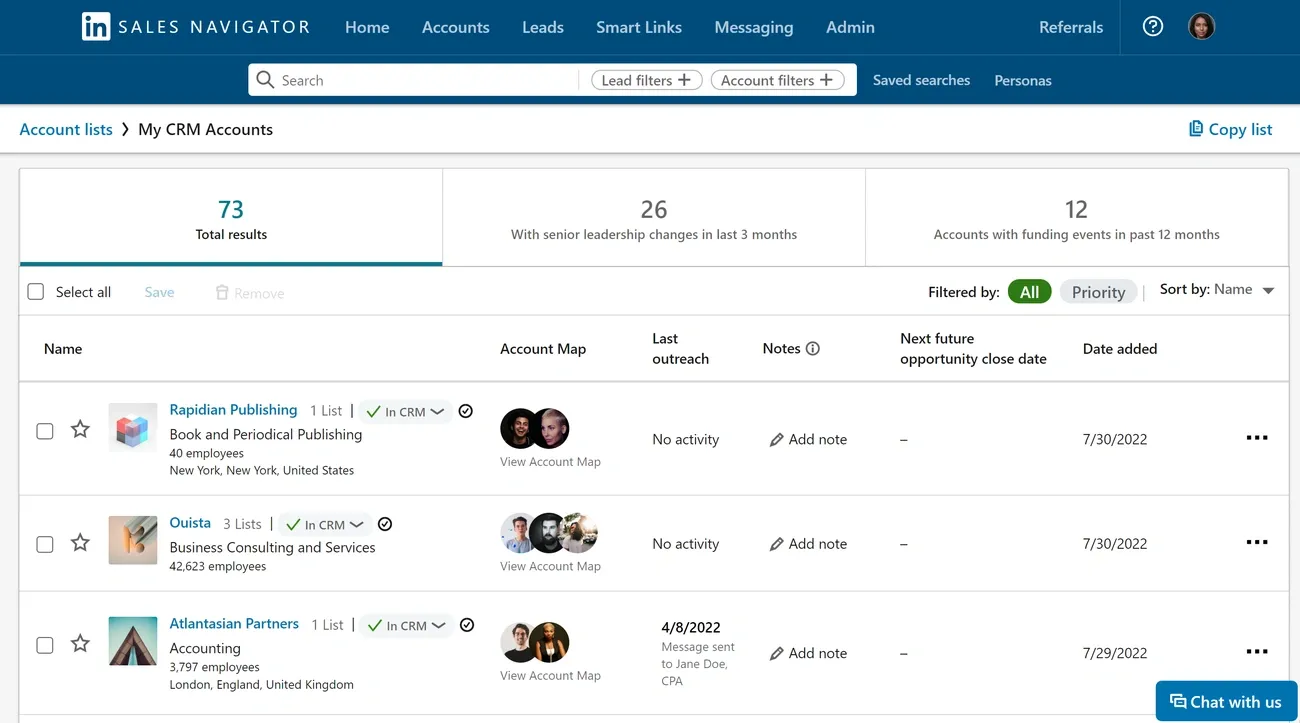
Image Source: G2 Learning Hub
Want to know what makes the difference between wasting money on bad leads and finding gold? It’s all about having the right tech stack. Let’s look at the tools that can sharpen your lead buying game and boost your ROI.
ZoomInfo and Similar Data Intelligence Tools
I couldn’t talk about buying B2B leads without mentioning ZoomInfo. It’s a powerhouse B2B database with over 65 million phone numbers and 150 million verified email addresses. What makes ZoomInfo stand out isn’t just the contact info, it’s the ability to filter leads using firmographic and technographic data while showing you which companies are actively researching solutions like yours.
I’ve worked with teams using platforms like ZoomInfo, Cognism, and RocketReach, and they all do much more than just give you contacts. These tools track potential customers who are searching for solutions similar to yours and monitor your website visitors, giving you real context about what your prospects are doing. This turns what would be cold outreach into perfectly-timed conversations with buyers who are actually interested.
LinkedIn Sales Navigator
Looking for a way to find decision-makers and warm paths into target accounts? LinkedIn Sales Navigator does exactly that with its advanced search filters and relationship-based prospecting features. The platform really shines when you need to identify who makes decisions and find shared connections to get your foot in the door.
Sound good so far? It’s got plenty more going for it, too. The upcoming AI features make this tool even more powerful. Lead Finder will automate your prospecting, while Message Assist will write personalized first-touch InMail drafts for you. And I’m really excited about Relationship Explorer, which shows you the best paths into accounts based on relationship signals and shared experiences, perfect when you’re approaching those high-value prospects.
CRM Platforms with Lead Scoring
Are all leads created equal? Definitely not. That’s why lead scoring functionality in CRMs like HubSpot, Salesforce, and Zoho CRM is so valuable. According to Eloqua research, companies using lead scoring see a 17% increase in revenue per deal. That’s a massive boost just from prioritizing your leads better.
Effective lead scoring lets you rank prospects based on demographics and behavior, making sure your team focuses on leads most likely to convert. Zoho CRM, for instance, lets you create unique scoring models for different departments and automate activities based on lead scores. This means your sales team spends their time on the hottest opportunities instead of chasing lukewarm prospects.
Sales Engagement Tools Like Outreach or Salesloft
Once you’ve got those leads, you need to engage with them effectively. That’s where Salesloft and Outreach come in, they streamline your approach to purchased leads through automated workflows and personalized communication. Both platforms help you manage interactions at scale by setting up email and voice outreach cadences, tracking engagement, and generating performance reports.
Salesloft really excels at giving you granular visibility into pipeline opportunities at each stage of the sales cycle. You can see exactly where each prospect stands and what needs to happen next. Meanwhile, Outreach calls itself a “sales execution platform” with AI capabilities that predict revenue outcomes and analyze pipeline gaps. This helps you spot problems before they impact your bottom line.
Unlock Thousands of Keywords with Ubersuggest
Ready to Outrank Your Competitors?
- Find long-tail keywords with High ROI
- Find 1000s of keywords instantly
- Turn searches into visits and conversions
Free keyword research tool
When buying B2B leads makes sense, and when it doesn’t
Trying to decide if buying B2B leads is right for your company? I get it. It’s not a one-size-fits-all solution. I’ve seen too many businesses blow their budgets purchasing leads when they should have invested elsewhere, and others miss golden opportunities by avoiding purchased leads altogether.
Let’s break down when to pull the trigger on buying leads and when to hold your fire.
Use cases where buying leads accelerates growth
Certain situations scream for purchased leads. If you’ve just launched a new product, you probably don’t have enough historical data for effective inbound strategies. Purchased leads can jumpstart your sales while you build that foundation.
Companies entering new markets face a similar challenge. Why wait months for organic growth when you can acquire relevant contacts and start conversations right away?
I’ve also noticed that teams with killer sales capabilities but thin marketing resources benefit enormously from purchased leads. Your salespeople might be conversion wizards, but they need opportunities to work their magic. This works especially well for businesses with straightforward value propositions and shorter sales cycles.
Then there are seasonal businesses. If you’re only selling during specific times of the year, maintaining a year-round marketing machine doesn’t make sense. Instead, strategically buy leads when timing matters most and convert them during your peak season.
Scenarios where inbound or ABM is better
Not everyone should be buying leads, though. If your product requires extensive education and trust-building, inbound marketing typically delivers better results. Remember, 80% of B2B buyers now research solutions online before talking to vendors. Complex products usually need content marketing and organic search to nurture prospects through a longer decision journey.
Account-based marketing shines when you’re targeting a handful of high-value accounts. Rather than buying generic lead lists, you’ll likely see higher ROI from tailored, personalized approaches to specific organizations. This is particularly true in industries with few potential customers but massive deal values.
Companies in highly regulated industries should also think twice. Privacy requirements often make relationship-based approaches safer than purchased lists, which might create compliance headaches down the road.
How to combine purchased leads with your own funnel
The smartest companies don’t choose between buying leads and generating them organically, they do both. Start with purchased leads to fuel your outbound campaigns while simultaneously building your inbound capabilities. As your content marketing gains traction, you can gradually dial back your spending on purchased data.
Here’s what works: segment those purchased leads based on firmographic data and buying signals, then customize your approach. High-intent leads get immediate sales outreach while lower-intent contacts enter nurturing sequences. This tiered approach maximizes conversion across all lead sources.
Most importantly, establish consistent qualification criteria for all lead sources. Track conversion rates separately for purchased versus organic leads. This data will tell you exactly which channels deliver the highest quality opportunities, helping you allocate resources where they’ll generate the biggest returns.
What to do after you buy B2B leads
So you’ve purchased some quality B2B leads. Now what? The real work begins after the purchase. I’ve helped dozens of companies transform purchased leads into paying customers, and I can tell you this – your success hinges not on the purchase itself but on what happens next.
Importing and segmenting leads
First things first, you need to get those leads properly imported into your CRM. This sounds simple, but you’d be shocked how many companies mess this up. Data integration errors can absolutely destroy lead quality, so double-check that all fields map correctly during import.
Many B2B data providers nowadays offer direct CRM integration capabilities that eliminate manual entry errors. Use them! Nothing kills momentum faster than discovering half your leads have missing information or duplicated entries.
After importing, don’t just let those leads sit there gathering digital dust. Segment them immediately based on specific characteristics. Break your audience into distinct groups based on:
- Industry vertical
- Company size
- Job title
- Purchasing behavior
- Geographic location
Why bother with segmentation? Because generic messages get generic results (meaning none). A focused approach lets you deliver targeted content that addresses the unique pain points of each segment. I’ve seen this simple step boost engagement rates by 30-40% for my clients.
Next, implement lead scoring right away. Rank your leads based on demographics and behavior to prioritize which deserve immediate attention. Companies that use lead scoring report a 17% increase in revenue per deal. Not too shabby, right?
Setting up nurturing sequences
Here’s a hard truth – newly purchased leads rarely convert immediately. B2B sales typically require 8-12 touches before conversion. So you need to create automated nurturing sequences tailored to your different segments.
Your lead nurturing should include:
- Personalized emails addressing specific pain points
- Multi-channel engagement (email, LinkedIn, phone)
- Value-driven content at each touchpoint
- Timed follow-ups based on engagement levels
What if your leads entered your funnel through different channels? Create separate workflows for each entry point. This extra bit of customization pays off big time – lead nurturing emails to specific segments get 4-10x more responses than standalone blast emails to a large list.
Tracking engagement and refining outreach
The final piece of the puzzle is tracking what’s actually working. Monitor open rates, click-throughs, and response rates to understand what resonates with different segments. Use these metrics to score leads progressively, allowing you to focus on the warmest prospects.
Don’t just track randomly though. Set specific, measurable goals for your nurturing campaigns. For instance, track how many leads:
- Subscribe to your newsletter
- Engage with your social media channels
- Download specific resources
- Request demos
This data helps identify which channels deliver the highest quality opportunities and guides where you should invest more resources.
Without a doubt, consistent analysis and refinement are crucial to success. Compare engagement rates against historical data, use A/B testing for campaign assets, and continuously optimize your cadence based on performance metrics.
The leads you bought aren’t static assets – they’re the beginning of relationships that need nurturing and attention. This ongoing improvement process ensures your investment in B2B leads delivers maximum returns instead of becoming just another expense on your marketing budget.
Are You Using Google Ads? Try Our FREE Ads Grader!
Stop wasting money and unlock the hidden potential of your advertising.
- Discover the power of intentional advertising.
- Reach your ideal target audience.
- Maximize ad spend efficiency.
Final thoughts on buying B2B leads in 2025
After all this discussion about B2B leads, you’re probably wondering what’s the bottom line. Should you buy leads or not?
The simple truth is that buying B2B leads remains a viable strategy in 2025, but your success depends entirely on your approach. Throughout this guide, I’ve shown how the landscape has shifted from simply purchasing contact lists to acquiring actual intelligence about potential buyers. Quality matters way more than quantity now, with intent data and buying signals becoming must-haves in any valuable lead package.
Choosing the right lead provider makes all the difference. Look for partners that offer fresh data, robust firmographic filtering, and verifiable compliance with privacy regulations. Yes, quality providers cost more than those bargain-basement lead lists, but the ROI speaks for itself when your sales team connects with decision-makers who are actually interested in what you’re selling.
Buying leads works best when used strategically. New product launches, market expansion, and teams with strong sales capabilities but limited marketing resources benefit most from this approach. On the flip side, companies with complex offerings or those targeting a small number of high-value accounts often do better with inbound marketing or ABM strategies.
After you purchase leads comes the critical work of properly integrating them into your workflow. Segment based on specific characteristics, set up personalized nurturing sequences, and track engagement metrics to continuously refine your approach. This systematic process transforms raw contact data into genuine opportunities.
The decision to buy B2B leads shouldn’t be made lightly. When done correctly, purchased leads complement your existing marketing efforts and provide valuable insights about your market. When done poorly, you flush your budget down the drain on outdated contacts with minimal conversion potential.
Whether buying leads forms a cornerstone of your acquisition strategy or simply supplements your other approaches, follow the guidelines in this article to make smarter decisions. The B2B landscape continues evolving, but one thing remains constant, connecting with the right prospects at the right time still drives business growth.
Are You Using Google Ads? Try Our FREE Ads Grader!
Stop wasting money and unlock the hidden potential of your advertising.
- Discover the power of intentional advertising.
- Reach your ideal target audience.
- Maximize ad spend efficiency.
FAQs
Q1. What is the average cost of a B2B lead in 2025?
The cost of B2B leads varies widely depending on factors like industry, quality, and source. While specific 2025 figures aren’t provided, costs typically range from $30 to $300 per lead for high-quality, targeted B2B leads. It’s important to focus on lead quality and potential ROI rather than just cost.
Q2. Which lead generation methods are most effective for B2B companies in 2025?
The most effective B2B lead generation methods in 2025 include leveraging data intelligence platforms, utilizing LinkedIn Sales Navigator, implementing account-based marketing strategies, and combining purchased leads with inbound marketing efforts. The key is to use a multi-channel approach tailored to your specific industry and target audience.
Q3. How can companies improve their B2B lead generation efforts?
To improve B2B lead generation, companies should focus on understanding their target market, building strong relationships, personalizing outreach, leveraging social selling, and using data analytics to refine their approach. Additionally, prioritizing follow-ups, offering value early in the sales process, and mastering active listening skills can significantly enhance lead generation efforts.
Q4. What are the risks associated with buying low-quality B2B leads?
Purchasing low-quality B2B leads can result in wasted time and resources, damaged reputation, and potential legal issues. Risks include dealing with outdated or inaccurate contact data, lack of genuine buying intent, and non-compliance with data protection regulations like GDPR and CCPA. It’s crucial to thoroughly vet lead providers and prioritize data quality and compliance.
Q5. How should companies handle newly purchased B2B leads?
After purchasing B2B leads, companies should properly import and segment the data in their CRM, set up targeted nurturing sequences, and continuously track engagement metrics. It’s important to score leads based on demographics and behavior, create personalized outreach campaigns, and refine strategies based on performance data. This systematic approach helps maximize the value of purchased leads and improves conversion rates.

Builds the demand intelligence, automation, and deliverability systems behind Growleads pipeline.