
How to Choose Intent Data Providers (Advice from Tech CEOs)
 Intent data providers have changed how companies find and connect with potential customers. Companies that exploit this technology see a 20% increase in deal size and a 70% uplift in conversion rates. Picking the right provider can overwhelm marketing and sales teams due to many options in the market.
More than 67% of businesses use intent data to improve their online advertising, and 62% use it to learn about their market and competitors. Our research into b2b intent data providers showed major differences in what they offer. Options range from free simple access to complete enterprise tools that cost $500+/user/month. The buyer intent data providers market keeps changing faster with AI-driven insights, privacy-first data handling, and live updates becoming crucial features. Tech CEOs shared practical advice with us about selecting the best intent data providers and buyer intent tools that line up with your business’s specific needs.
Why Intent Data Matters for B2B Sales and Marketing
Image Source: Imenso Software
Companies that realize the full potential of buyer behavior outperform their competitors in the digital marketplace by a lot. Research shows that companies using intent-driven strategies get 78% higher conversion rates. They also cut sales cycles by 3.2 times and reduce customer acquisition costs by 65%. These numbers show why understanding and using intent data is vital for modern B2B operations.
What is buyer intent data?
Buyer intent data includes digital signals that show when potential customers actively research tools like yours. Unlike basic firmographic data (company size, industry, revenue), intent data gives real-time insights into buying behavior. This helps teams connect with prospects at the right moment.
The heart of intent data lies in the behavioral traces users leave as they move through the digital world. These signals come from various online activities, including:
- Content downloads and consumption
- Search queries related to your industry or tools
- Competitor website visits and engagement
- Review site activity and product comparisons
- Webinar attendance and social media interactions
Intent data has two main categories. First-party intent data comes from your own channels, website visits, form submissions, email interactions, and CRM records. Third-party intent data comes from external sources across the internet through specialized intent data providers. Most successful organizations use both types. Over 70% of companies work with multiple providers to get the best coverage.
The strongest intent signals come from repeat visits to high-intent pages (pricing pages, case studies), deep content engagement (whitepaper downloads), and direct brand searches. Multiple stakeholders from the same organization engaging with relevant content shows genuine buying interest.
How intent data improves lead targeting
B2B marketing’s “spray and pray” approach wastes resources and gives poor results. Intent data changes this by allowing precise targeting based on actual buying behavior.
Marketing teams can create hyper-personalized campaigns that address prospects’ specific challenges and needs with intent data. They deliver content that matches exactly what their audience researches. This personal touch works well, over 85% of companies using intent data see better response rates from outbound marketing and sales prospecting.
Lead scoring becomes more effective when it includes intent signals. Teams can adjust scores based on a prospect’s recent search activity and content consumption instead of just demographic attributes. Sales and marketing can focus on leads that show real purchase signals. This lets them connect with potential clients at the perfect time.
Intent data helps marketing and sales teams work better together by focusing on customer behavior. This teamwork creates a smooth process for engaging prospects. Teams can use their resources better by identifying active accounts in the market (only about 10% of target accounts at any time).
The role of intent data in shortening sales cycles
Intent data speeds up the B2B buying process. Research shows that an average B2B prospect completes 67% of their purchase experience before talking to a salesperson. This makes early identification crucial.
Sales teams get a head start when they know about prospects’ activities before they enter the sales funnel. They can start conversations earlier and shape discussions around their tools. Sales representatives with intent insights can:
- Find ready-to-buy prospects showing clear signals
- Cut down research time with automated CRM insights
- Shape outreach based on prospects’ research topics
- Send relevant, timely follow-up messages
This approach changes sales cycles. Teams can talk directly to prospects who show serious purchase intent instead of spending weeks nurturing early-stage leads. The results speak for themselves, sales cycles shrink by up to 3.2 times when teams use intent data effectively.
Sales teams enter conversations better prepared with intent data. They can tackle specific challenges, handle objections early, and position their tools as the perfect fit based on the prospect’s interests and concerns. This preparation boosts conversion rates.
When Should You Consider an Intent Data Provider?
Marketing and sales teams often hit a wall when their internal data fails to reveal enough about buyer behavior. Quick recognition of this challenge can prevent months of missed opportunities and wasted resources on prospects who won’t convert.
Signs your team needs external data support
These telling signs suggest you’re ready to work with an intent data provider:
- Limited visibility into early-stage research – According to Forrester, 57% to 70% of the buyer’s journey occurs anonymously online without speaking to sales reps. This “Dark Funnel” represents research happening outside your controlled ecosystem.
- Missed opportunities with in-market accounts – Your competitors might reach prospects before you even identify them. Third-party intent data could bridge this gap.
- Inefficient resource allocation – Sales teams waste valuable time researching potential accounts or chasing cold leads. Intent data helps them prioritize better.
- Declining conversion rates – External intent signals could help you target interested accounts when marketing campaigns yield diminishing returns despite increased spending.
- Lengthening sales cycles – Deals take longer to close because teams fail to connect with prospects at the right moment in their buying trip.
Your company’s channels show just a fraction of your prospects’ research activity. Making decisions without external data means working with incomplete information.
In-house vs third-party intent data collection
The right data strategy depends on understanding each approach’s strengths and limitations.
First-party (in-house) intent data collection:
First-party data comes directly from your company’s channels and platforms, such as website visits, content downloads, and email interactions. This approach offers several benefits:
- Budget-friendly – In-house collection saves money with minimal additional costs
- Full control – You own all data collection methods and privacy compliance
- Direct visibility – You see exactly who engages with your content at individual levels
- High reliability – Greater accuracy from tracking actual brand interactions
In spite of that, first-party data has clear limitations:
- Limited scope – You only see activities within your ecosystem, missing the bigger market picture
- Resource-intensive maintenance – Fresh and accurate data needs dedicated time
- Late-stage visibility – Prospects appear only after they find your solution
Third-party intent data collection:
Third-party intent data reveals insights from external sources across the internet with these advantages:
- Complete market view – You see behaviors across many B2B publishers and websites
- Early identification – You spot potential customers before they visit your site
- Competitor insights – You know when prospects research competitive tools
- Broader reach – You find new accounts showing interest in relevant topics
Key challenges include:
- Less precise signals – Additional validation might be needed to confirm relevancy
- Privacy compliance concerns – Provider’s data collection methods need careful vetting
- Integration complexity – External data needs proper systems to become actionable
Research shows 26% of B2B marketers use first-party data exclusively, 19% rely solely on third-party data, and 55% utilize a combination of both. Among those using both, 75% place greater emphasis on first-party data.
Most successful organizations combine both data types. First-party data shows deep insights into engaged prospects while third-party data helps identify opportunities earlier. This combined strategy creates a complete picture of market interest and buying intent.
How to Choose the Right Intent Data Provider
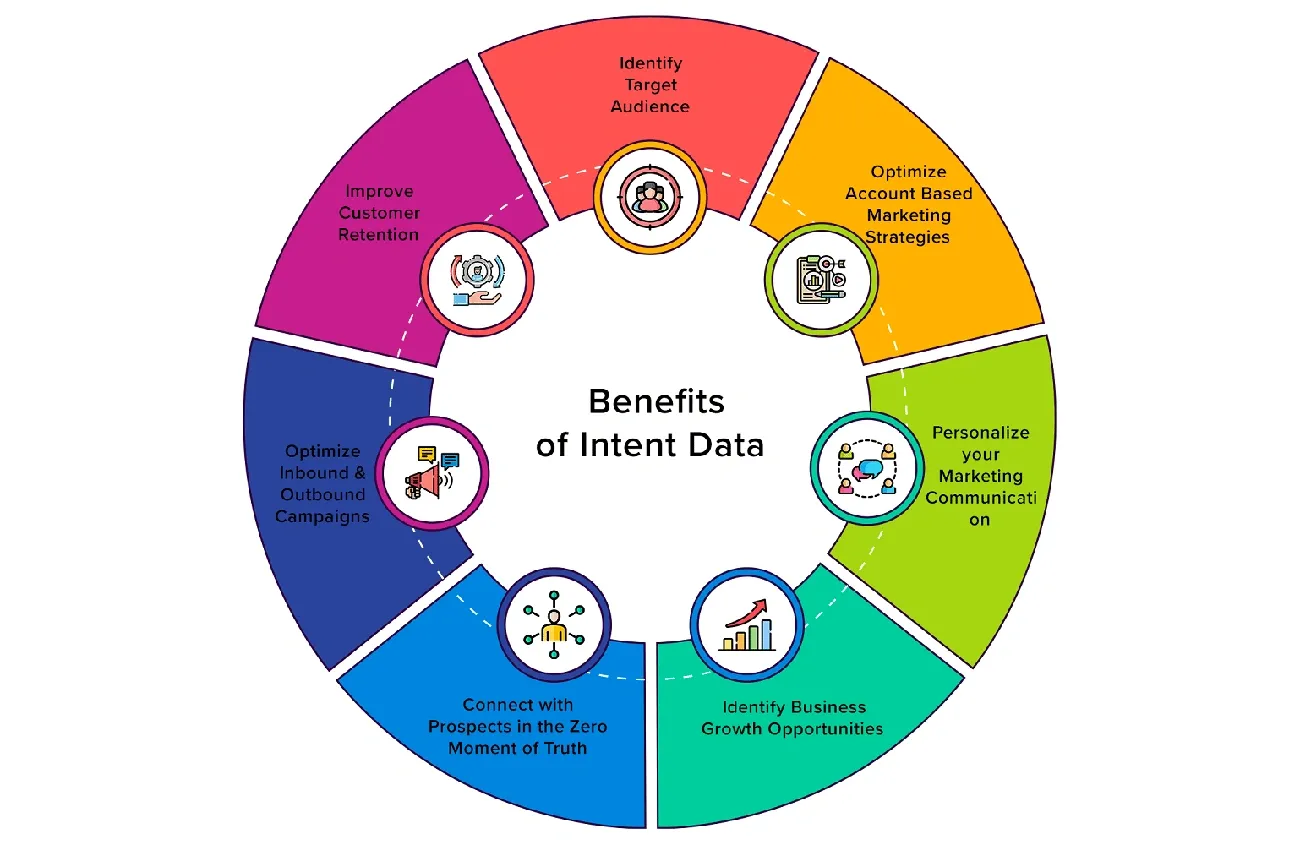
Image Source: Datamatics Business Solutions
“Proprietary data is the primary differentiator for any walled garden provider. [Informa TechTarget] builds on that strength with exceptional buying group identification, expanded geographic coverage, strong buying cycle analysis, and in-depth reporting capabilities within the core Priority Engine product.”
, Forrester Research, Leading global research and advisory firm
Picking the right intent data platform can make or break your sales and marketing results. Let me share six key factors that help teams pick the best provider from the many options out there.
1. Data accuracy and freshness
Quality and up-to-date data are the foundations of any good intent data solution. Here’s what I look for:
- Data sources and breadth: Leaders in the field like Bombora keep tabs on thousands of B2B websites to cover your industry completely. The best platforms team up with top-tier publishers and business sites.
- Update frequency: You need daily updates at minimum. The ideal scenario includes up-to-the-minute alerts for your high-value accounts. Data older than six months won’t give you an edge over competitors.
- Validation methods: Quality providers should explain how they check data accuracy. This includes filtering out free email domains and cross-referencing public information. They also use AI and machine learning to spot false positives and place topics in context.
2. Integration with your tech stack
Great intent data becomes useless if it doesn’t fit into your current processes. The platform should work well with:
- CRM systems: Your platform needs to plug right into Salesforce, HubSpot, and other CRMs to route hot accounts automatically.
- Marketing automation: Look for built-in connections to your MAP that trigger nurture or outreach workflows.
- Sales engagement tools: Your team should see insights in their usual workspace to make adoption easier.
To name just one example, Bombora works smoothly with LinkedIn, 6sense, Marketo, and Salesforce – fitting right into your 5-year-old processes. 6sense also connects with HubSpot and common tools to improve efficiency.
3. Compliance with privacy laws
Privacy rules have become a must-have feature when picking intent data providers. The landscape keeps changing.
Good platforms need GDPR and CCPA compliance as new state privacy laws pop up. Trusted providers like Bombora use OneTrust and let users submit DSARs and opt out.
Ask vendors about their data collection approach. Companies that get user consent tend to stay compliant better than those using bidstream data, which breaks IAB rules.
4. Customization and segmentation options
The value of intent data jumps when you can fine-tune it. My top platforms offer:
- Persona-level insights: Solution-level modeling helps distinguish between similar options and spots specific buyer interest.
- Advanced filtering: Your tools should let you slice data by industry, company size, location, topic, and activity.
- Buying group identification: Top platforms spot both interested companies and the key players within them.
5. Reporting and analytics capabilities
Raw data rarely delivers results on its own. You need tools to understand and use those insights:
- Clear scoring systems: Intent scoring shouldn’t be mysterious. Pick tools that explain their ranking system.
- Customizable dashboards: You want visual displays that make patterns jump out at you.
- Actionable recommendations: Forrester rates vendors on how well they generate insights and suggest next steps.
Bombora’s natural language processing models scan millions of content pieces to find relevant topics and connect them, giving you deeper context.
6. Customer support and onboarding
Success often depends on the support your team gets:
- Dedicated account management: Find providers that give you personal onboarding help and optimization tips.
- Training resources: Check out their webinars, help center, and community forums.
- Technical support options: Make sure they offer round-the-clock support through multiple channels.
The right intent data provider should do more than hand over raw data. They need to give you evidence-based insights that shape influential strategies. These six criteria will help you find a partner that matches your sales and marketing goals.
Top 6 Intent Data Providers Recommended by Tech CEOs
I talked to many technology leaders and compiled their thoughts about the most effective intent data providers available today. These platforms are a great way to get better sales and marketing intelligence.
1. Revnew
Revnew’s Tele Intent™ Data services stand out by collecting information from live interactions. Tech CEOs love this approach because it delivers live analysis that regular data sources can’t match. The company excels at finding engaged buyers in specific demographics and delivers actionable buyer signals. Their results speak volumes – they helped an M&A advisory firm get 225 leads in 20 months with deals worth over $40 million.
2. Bombora
Bombora remains a powerhouse in the intent data world. Their cooperative data model watches over 5,000 premium B2B websites. CEOs value Bombora’s detailed coverage of more than 12,000 intent topics. The platform spots when content consumption substantially exceeds a company’s normal threshold and flags it as intent. Their data is unique too – 70% of their dataset can’t be found anywhere else.
3. ZoomInfo
ZoomInfo’s intent engine processes data from 210 million IP-to-organization pairings and analyzes over 6 trillion keyword-to-device pairings monthly. Their Guided Intent feature helps users focus on topics that guide successful outcomes. A company using ZoomInfo’s Streaming Intent data boosted pipeline opportunities by over 50%, putting them two years ahead of revenue goals. Teams can act quick to daily data updates as ZoomInfo combines smoothly with its SalesOS and MarketingOS platforms.
4. Demandbase
Demandbase uses proprietary technology to identify unknown accounts and combines this with direct bidstream access. Tech CEOs value its global reach that supports 133 languages across international markets. The platform handles 70 billion page views daily and gets more and thus encourages more 2 trillion intent signals monthly. Demandbase uses AI and natural language processing to cut down false positives and improve relevance.
5. Cognism
Cognism works with Bombora to deliver both general and localized intent signals. Teams can pinpoint interest based on location. CEOs especially value Cognism’s combination of intent data with verified mobile numbers – one CEO called it “a turning point”. The platform covers EMEA, North America, and APAC regions, with full GDPR and CCPA compliance.
6. Lead Onion
Lead Onion is unique as the only AI-driven premium intent platform that scans billions of signals from 20 different intent data providers. The AI-driven Research Quadrant groups companies into four buying phases: Original, Interested, Active, and In-Depth. Tech leaders value Lead Onion’s extensive database with 20 million business profiles, 209 million contact records, and 50+ billion intent signals.
Emerging Trends in Intent Data Platforms
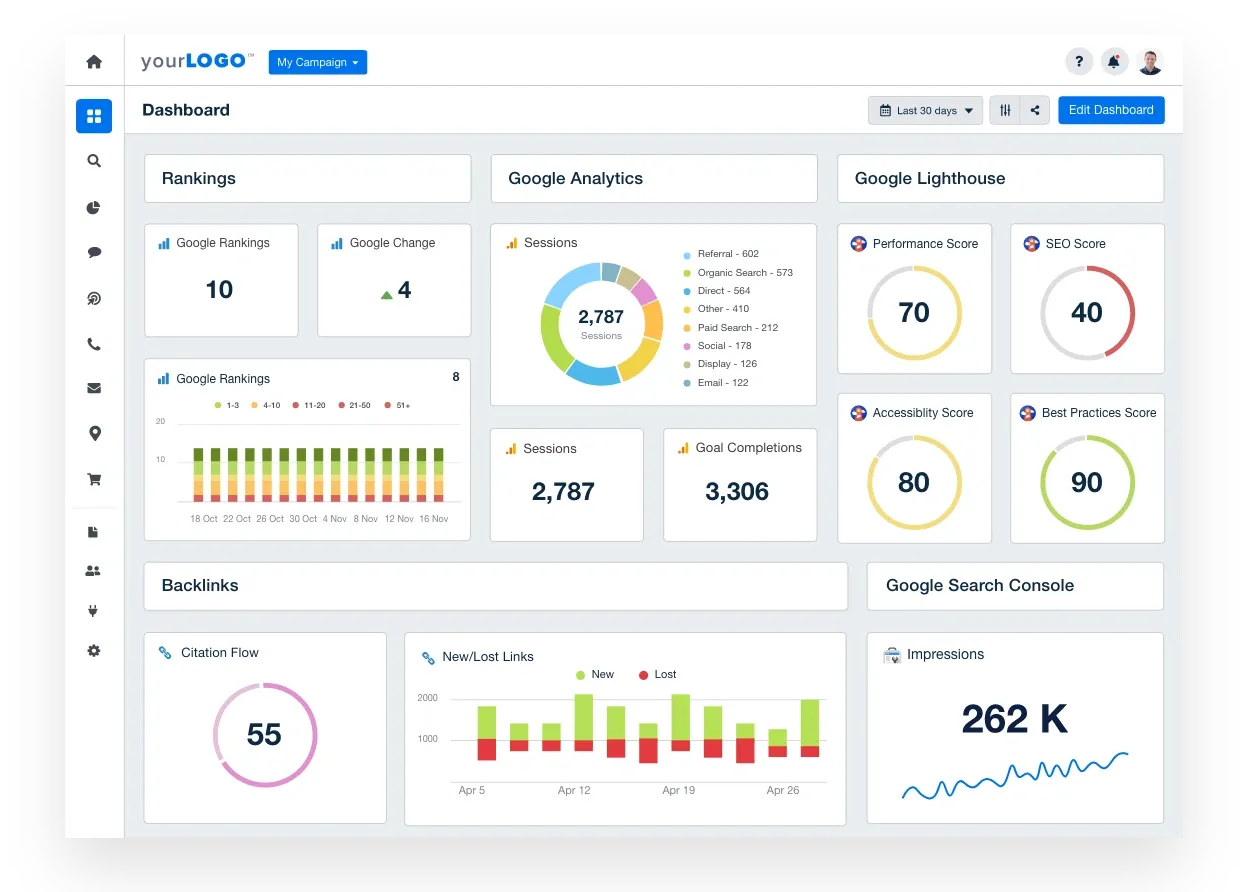
Image Source: AgencyAnalytics
The intent data landscape evolves faster as state-of-the-art technologies reshape how businesses capture and use buyer signals. Intent data platforms mature while several transformative trends emerge that promise to deliver even greater value to sales and marketing teams.
AI-driven predictive analytics
AI has changed how intent data becomes actionable. Modern intent data providers now use sophisticated algorithms that:
- Turn raw intent signals into related insights about purchase likelihood
- Rank leads based on engagement patterns to filter out low-intent prospects
- Forecast purchase timelines accurately
These capabilities improve targeting precision. AI analyzes billions of interactions instantly and identifies which accounts show genuine purchase intent versus casual research. False positives decrease as AI examines multiple behaviors across different sources.
Cross-channel intent tracking
Cross-channel attribution identifies and measures how various marketing channels affect a customer’s buying process. Advanced buyer intent tools integrate search behavior, website visits, social media engagement, and content downloads to create a complete picture.
The most sophisticated intent data platforms track signals across thousands of B2B websites. Bombora monitors over 5,000 premium sites, with 70% of its dataset unavailable elsewhere.
Real-time data updates
Timing matters in the intent data space. Daily updates set the minimum standard, while live alerts for high-value accounts prove ideal. AI-driven alerts notify sales teams the moment an account shows strong buying signals.
This immediacy creates a competitive advantage. AI-driven intent data providers process millions of interactions instantly and identify which accounts show increased engagement.
Privacy-first data handling
Data privacy regulations like GDPR and CCPA push buyer intent data providers toward privacy-preserving approaches. A privacy-first strategy prioritizes data privacy in technical and business decisions.
This approach minimizes data collection, increases transparency, and implements consent management platforms. Organizations build stronger trust relationships with potential customers, as 88% of people say transparency about data collection matters when sharing information.
CEO Advice: What to Look for in a Buyer Intent Tool
Tech company leaders share a common message about intent data providers: the way you implement matters more than the tool you choose. Their practical wisdom gives teams valuable direction as they evaluate buyer intent tools.
Focus on actionable insights, not just data volume
Quality beats quantity with intent data, according to tech CEOs. “Stop sending generic sales pitches that get moved to spam,” advised one executive. “Shape your outreach based on available buying signals.” The best intent data platforms give you clear information briefs that show:
- Which tools prospects are actively researching
- Key stakeholders involved in the buying process
- Competitor considerations they’re learning about
- Recent engagement history and content interests
Your scoring system should highlight these differences to spot real sales-ready chances. Leaders recommend picking providers that show how they rank activity openly rather than hiding their methods behind a “black box” approach.
Choose platforms that line up with your sales goals
Smart organizations combine intent data with other signals. They mix firmographic, technographic, and behavioral insights to improve targeting. CEOs also suggest breaking down audiences by buying stage to customize messages.
“Time your outreach strategically,” one leader noted. “Know when to reach out by watching for buying signals that suggest genuine interest.” The most valuable platforms alert you to sudden increases in search activity or active involvement from key decision-makers, this is your ideal window to act.
Scalability and long-term value matter
CEOs put high priority on intent data providers with strong privacy compliance features, given how fast regulations change. Look for tools that use consent management platforms and let data subjects submit DSARs (Data Subject Access Requests).
The core team stresses integration capabilities above all. “Intent data becomes much more valuable when it’s part of a go-to-market intelligence platform,” explained one CEO. This helps the data flow into every part of your tech stack and work throughout the customer experience.
Smart leaders pick platforms built to adapt, tools that deliver value now and stay flexible as market conditions shift.
Conclusion
Intent data has changed B2B sales and marketing completely. Companies that use these insights perform better than their competitors. They achieve 78% higher conversion rates and spend less to acquire customers. The real value comes from picking the right provider and using the data strategically.
Quality beats quantity when you look at intent data providers. You need platforms that give accurate, fresh data that merges with your existing tech stack. We looked at several top providers – Revnew, Bombora, ZoomInfo, Demandbase, Cognism, and Lead Onion. Each one offers unique benefits that match different business needs.
The intent data world keeps changing faster. Advanced analytics, cross-channel tracking, and immediate updates show what’s possible now. Privacy-first approaches are no longer optional. They’re essential, especially with more regulations coming into play.
Tech CEOs stress the importance of practical insights over raw data volume. This wisdom should guide your choice. The best platforms give you clear intelligence that helps plan your outreach and timing better.
Without doubt, intent data is one of the most powerful tools B2B organizations can use today. Good implementation turns guesswork into certainty. Teams can reach prospects at the perfect moment with the right message. Success depends on finding a provider that matches your business goals and using their insights to create valuable customer interactions.
Make smarter data decisions. ▶︎ Discover tested insights at growleads.io
FAQs
Q1. What are the top intent data providers in 2025?
Some of the leading intent data providers in 2025 include Revnew, Bombora, ZoomInfo, Demandbase, Cognism, and Lead Onion. Each offers unique strengths and capabilities to suit different organizational needs.
Q2. Is investing in intent data worthwhile for businesses?
Yes, intent data can be highly valuable. It helps identify potential buyers early in their journey, giving sales teams a significant advantage. Companies using intent data often see higher conversion rates and reduced customer acquisition costs.
Q3. How can companies access intent data?
Companies can access intent data through various sources, including their own CRM (first-party data), website analytics tools, and third-party intent data providers. Many businesses use a combination of first-party and third-party data for comprehensive insights.
Q4. What should businesses look for when choosing an intent data provider?
When selecting an intent data provider, consider factors such as data accuracy and freshness, integration capabilities with your existing tech stack, compliance with privacy laws, customization options, reporting and analytics features, and the quality of customer support and onboarding.
Q5. How is AI transforming intent data platforms?
AI is revolutionizing intent data platforms by enabling predictive analytics, improving lead scoring accuracy, forecasting purchase timelines, and providing real-time insights. AI-driven platforms can process billions of interactions instantly, identifying genuine purchase intent and reducing false positives.

Leads content and the LinkedIn authority programs that build founder demand.