
10 Ways to Improve Your Sales Management Software Strategy
 Sales management software frameworks fail businesses across the nation. The numbers tell a shocking story – 91% of sales leaders reported missing their quota expectations this year.
Our data analysis reveals a grim picture. Sales teams must make at least 12 attempts to reach potential buyers. Most leads – 70% of them – never become opportunities. Companies with well-planned sales management strategies see better results, with 27.6% higher win rates and 17.9% better quota achievement than others. High-performing sales representatives spend just one extra hour per week with buyers. This small change creates remarkable results.
These 10 tested methods will help reshape your sales management software strategy. Your sales system can deliver better results, whether you’re a small business owner struggling with unpredictable outcomes or a sales manager seeking competitive advantages. We’ll help you fix the broken parts of your sales process.
Analyze Sales Data for Strategic Insights
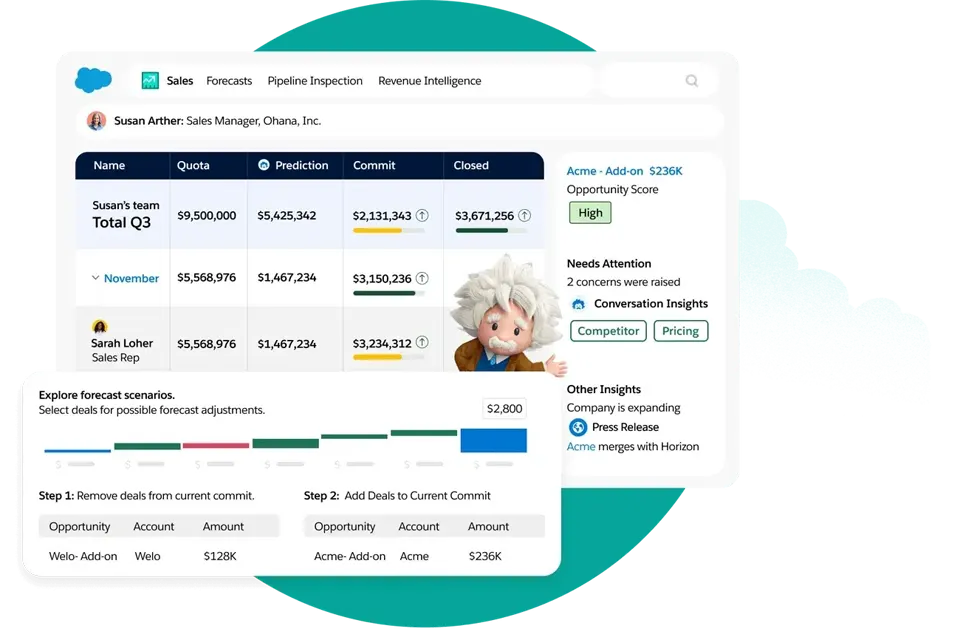
Image Source: Salesforce
There is incredible power in leading with research and leading with relevance.
, Jill Rowley, Social selling evangelist, former Salesforce and Oracle executive
Data-driven decision making is now central to sales success. Analytics-savvy sales organizations are 53% more likely to excel at using data. All the same, many sales teams (57%) find it hard to use advanced analytics effectively. Let’s get into how data analysis can transform your sales management approach.
Why data matters in sales management software
Smart companies know that sales management software needs robust analytics capabilities to grow. Sales teams that use analytics in their software framework see amazing results – including 30% higher lead conversion rates and a 25% drop in customer churn.
Sales data grows by about 60% each year, multiplying tenfold every five years. This data explosion brings both challenges and opportunities. Raw data remains useless without proper analysis. Teams that analyze this information properly can:
- Predict their most promising leads
- Spot what makes top salespeople successful
- Find cross-selling opportunities with current customers
- Catch early signs of unhappy customers
Analytics proves particularly valuable in lead generation. To name just one example, an IT services company changed its focus from startups to mature companies based on data analysis. This move boosted their lead conversion by 30%.
Key metrics to track performance
Top sales organizations track every strategy aspect through clear key performance indicators (KPIs). McKinsey research shows that sales leaders often face “too much data and no focus,” making it hard to reach clear, decision-driving insights.
Your metrics should directly tie to revenue goals. Key sales KPIs include:
- Total revenue – Income from all operational and sales activities
- Conversion rate – Percentage of leads becoming customers, measured overall or by funnel stage
- Win rate – Successful deals versus total opportunities
- Customer Lifetime Value (CLV) – A customer’s total revenue throughout their relationship
- Customer Acquisition Cost (CAC) – Average cost to gain each new customer
Beyond these basics, you should track metrics showing long-term value creation, like customer retention rates and net promoter scores. A global chemicals company’s marketing analytics team found their top 15% of customers were three times more likely to buy elsewhere, which led to immediate action plans.
Using analytics to guide decisions
Analytics shows its true value when insights turn into strategic action. A company working with data-science firm QuantumBlack identified behaviors that related to winning deals. Their targeted training based on these findings cut sales costs by 6% while growing revenue by 2%.
Modern sales management software should offer three analytics levels:
Descriptive analytics looks at past performance data to understand what worked. This basic approach helps improve strategies based on previous wins and losses.
Predictive analytics uses patterns to forecast future trends. This helps teams anticipate sales performance based on market conditions and customer behaviors, leading to better inventory planning.
Prescriptive analytics takes an extra step by suggesting specific actions. It uses optimization techniques to suggest ways to maximize sales outcomes, from price adjustments to marketing campaign changes.
Your CRM should connect with visualization tools that turn complex data into practical insights. Keep dashboards simple and visual so teams can spot trends and act quickly. Note that analytics runs on clean, accurate data, bad information leads to wrong conclusions and poor choices.
Build a Comprehensive Sales Management Strategy
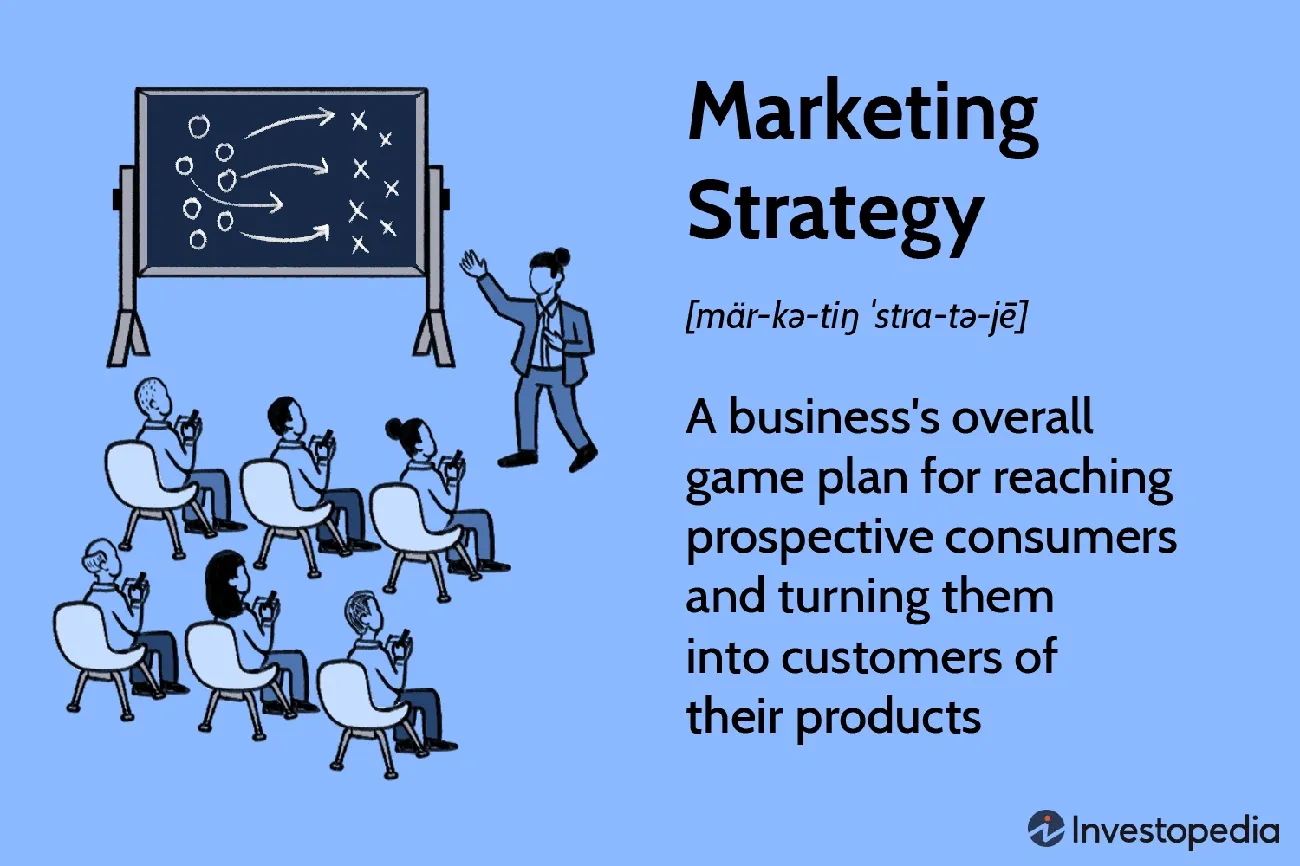
Image Source: Investopedia
“If you are not taking care of your customer, your competitor will.”
, Bob Hooey, Sales leadership expert, author, and keynote speaker
A complete sales strategy serves as the foundation of successful sales operations. The numbers tell an interesting story – only 17% of salespeople think their company’s sales strategy works. This shows a big gap that most organizations need to address. Building a solid framework goes beyond just selling products. Your team needs a detailed plan that brings everyone together toward common goals.
Elements of a strong sales strategy
Your winning sales strategy needs these vital components to deliver consistent results:
- Clear assessment of your market position, competitors, and value proposition to build compelling sales pitches that separate your offering
- Defined organizational structure showing team responsibilities and resource allocation
- Specific revenue targets that guide your sales efforts
- Customer identification to divide your market and focus where you’ll get the best returns
- Standardized sales process that maps the journey from first contact to close
- Performance metrics to measure success and spot areas needing improvement
Sales strategies give you blueprints to handle objections, time follow-ups, and decide when others should join conversations. They also turn best practices into standards that help everyone succeed. New team members can quickly learn what works.
Your sales management software should help standardize everything by keeping all data in one place. This lets you track important metrics for each representative. The core team can spot problems quickly and provide targeted coaching.
Lining up strategy with business goals
Sales strategies must connect closely with broader company goals to drive real results. Business development experts say all sales activities should support both short-term and long-term company objectives.
Start by sharing your company’s purpose and culture clearly. The team finds it easier to embrace strategic plans and work toward shared goals when they understand these basics. This creates unity and purpose, making long-term success more achievable.
These steps encourage alignment:
- Get sales leaders involved early in planning to learn from their experience
- Stay focused on target customers defined in your business strategy
- Look at numbers including financial results and customer feedback to find what works
- Design compensation plans that reward activities supporting company goals
Many companies struggle because they focus too much on daily metrics like calls made instead of strategic direction. We learned that successful alignment needs an understanding of both personal motivations and company goals.
This is a big deal as it means that businesses with strong sales and marketing alignment grow 19% faster and are 15% more profitable. Sales teams that make alignment a priority are almost three times more likely to beat new customer targets.
Your sales management software should help this alignment by connecting sales activities to bigger business metrics. This shows how day-to-day decisions affect strategic outcomes.
Keep Your Strategy Transparent and Visible
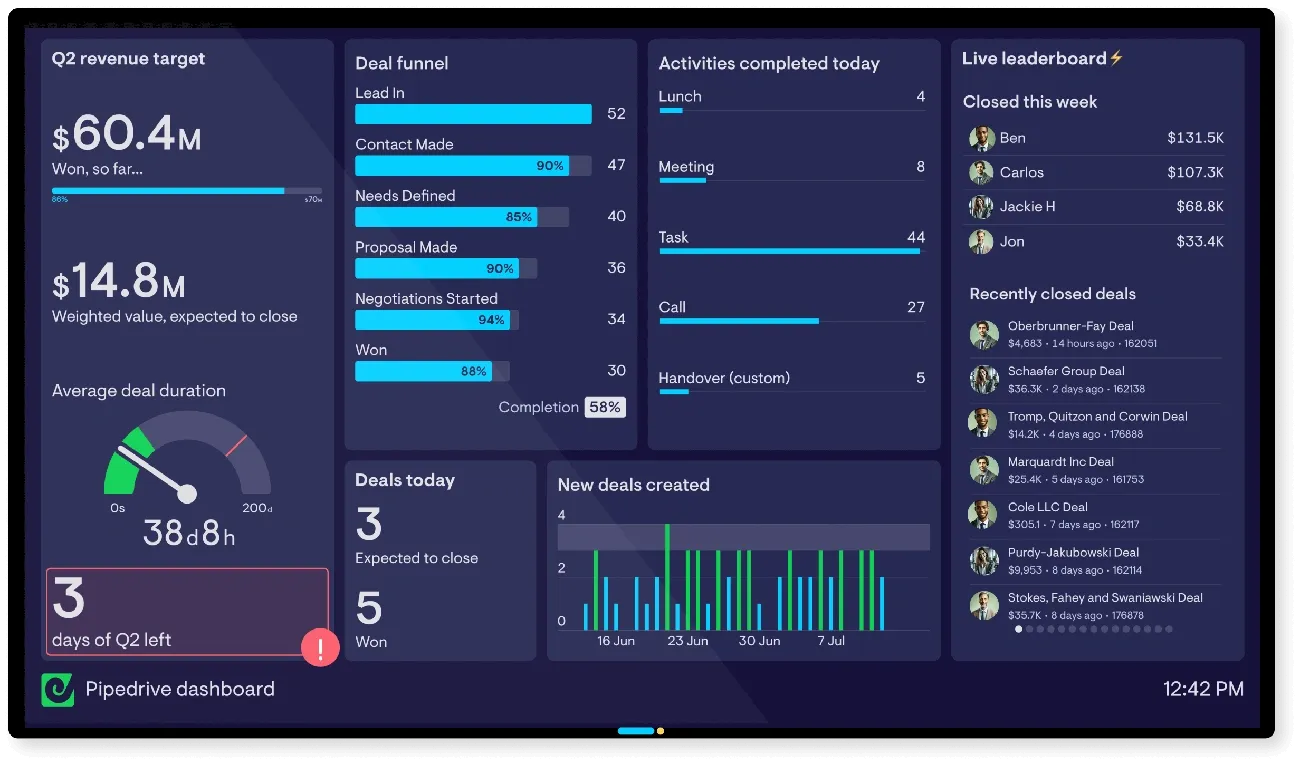
Image Source: Geckoboard
Transparency is the foundation of sales operations that work. Even the best sales management software framework won’t deliver results without it. Two-thirds of B2B sales teams don’t hit their quota, and poor transparency is often to blame.
Real-time dashboards for sales teams
Real-time sales dashboards take away the guesswork by showing live performance data in one place. Sales teams can see critical metrics right away instead of hunting for updated numbers or doubting report accuracy. These visual displays group related metrics into graphs and charts that show progress toward sales goals at a glance.
Great dashboards share these essential features:
- Direct connections to data sources that eliminate delays and errors
- A central hub where leaders track revenue and pipeline health
- Better visibility for teams who all see the same numbers
Your sales manager software should pull, organize, and display data in clear formats automatically. The best CRMs let teams share dashboards with the whole sales organization and other business units to maximize visibility. Teams can focus on the right goals and react quickly to market changes when everything lines up properly.
Seven out of ten businesses keep track of their sales and marketing metrics to check overall performance. Modern dashboards have made this process substantially more streamlined, helping teams move from reactive to proactive approaches.
Communicating goals and progress
Clear goal communication stands as the second pillar of transparency, right next to dashboards. Even the best sales incentive plans can cause division if teams don’t trust how targets are set and measured.
People tend to fill in gaps with negative assumptions. Teams often develop bad feelings about incentive structures when they don’t understand how they work. This hurts trust and performance.
Here’s what good goal communication needs:
Multiple channels that reinforce messages. Use official email or team meetings for sales target announcements. Quick chats or instant messages can address questions and drive home key points.
Quality CRM data that everyone on your sales team can see. Bad CRM data hits companies hard, 44% of those surveyed say their company loses over 10% of yearly revenue due to data quality problems.
Quick feedback loops. Sales reps should calculate their deal’s impact on compensation easily. They get valuable insights into what’s possible when they see how each deal affects their commission right away.
On top of that, 79% of people want some level of company-wide pay transparency, and 68% would take a new job with better transparency even if they earned the same. This shows how important visibility has become in today’s sales environment.
Review and Adapt Your Sales Plan Regularly
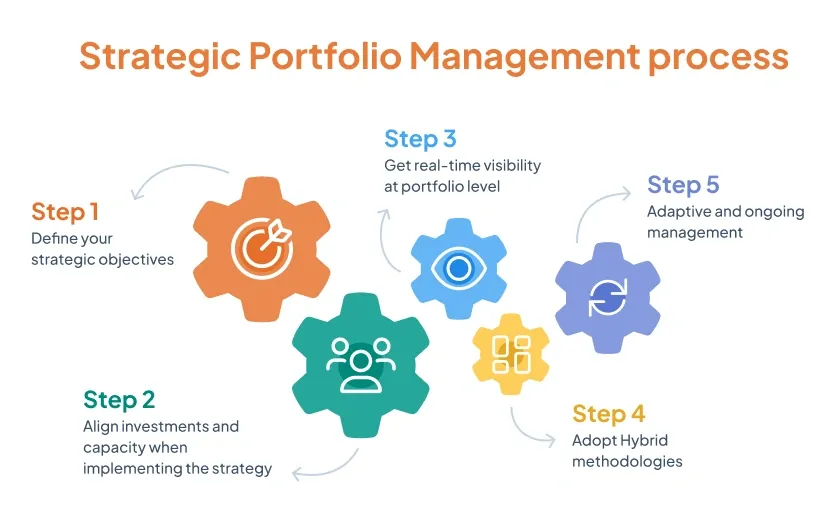
Image Source: Triskell Software
Sales leaders know that adaptation is an ongoing process, not a one-time event. Sales plans require regular reviews to work in today’s fast-changing market conditions. Your sales management software framework should help this ongoing assessment process instead of getting in the way.
How to conduct effective strategy reviews
Top sales organizations use an “Always-On Strategy Model” that makes reviews a natural part of daily operations. Here’s how to implement this approach with your sales manager software:
- Schedule regular evaluations – Pick a review rhythm (weekly, monthly, quarterly) instead of yearly assessments
- Establish clear KPIs – Choose success metrics that arrange with your sales goals
- Collect relevant data – Present curated information that shows performance trends
- Analyze gaps – Spot areas showing least progress in review periods
- Evaluate necessary resources – Check if your team has the right tools and support
These reviews let me get into market trends and internal performance data. I share results with stakeholders by using visual representations that make complex information easier to understand.
Responding to market and team feedback
Customer feedback provides invaluable insights about changing expectations. We make use of information from surveys, interviews, and direct client conversations to adapt sales workflows. This makes our approach more agile and customer-focused.
Sales team involvement in monitoring and adjustment is vital. Sales representatives use the plan daily and know what works best. Open communication creates valuable feedback loops that shape strategic adjustments naturally.
External factors also deserve attention. Market reports, conferences, and competitor analysis help keep up with trends and customer demands. Spotting potential risks early makes your sales management strategy stronger.
This adaptive approach brings increased resilience amid industry shifts, better customer response times, and improved operational flexibility. Small business owners who adjust their sales management software regularly ensure it stays relevant as their company grows.
Note that performance drops don’t always point to sales representative issues. Market trends change, buyer behaviors evolve, or strategies need updates. Pattern tracking helps identify when your approach, messaging, or target market needs adjustment.
Use Scenario Planning and Forecasting Tools
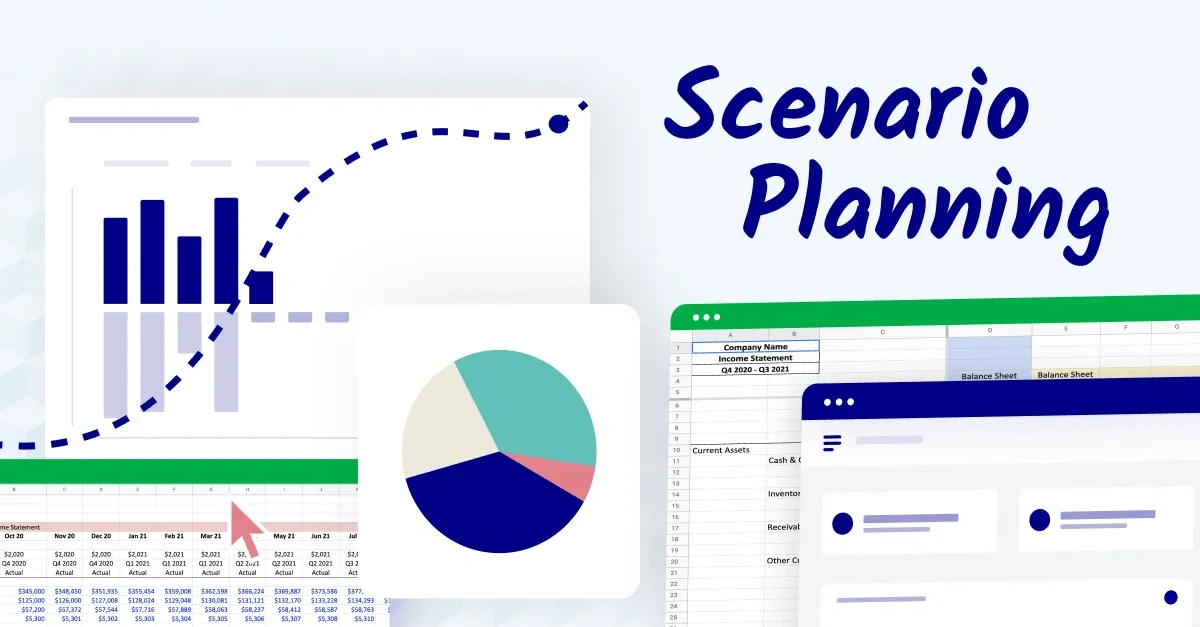
Image Source: Cube Software
Smart businesses no longer just look at past numbers. They plan for different future scenarios. Sales management software frameworks help teams test different outcomes before making big decisions. Accurate sales forecasting helps businesses stay ahead of competitors. Teams can adapt faster when markets change or customer needs evolve.
Modeling future sales outcomes
Sales forecasting has changed a lot. You can now predict future sales using methods that match your business needs. Time series forecasting looks at past sales patterns and seasonal changes to predict what customers will buy. Another approach uses regression forecasting to look at market conditions, customer feelings, and economic trends.
Sales teams can predict upcoming sales by looking at their current customer pipeline and open deals. This helps them understand future purchases better by tracking customer sentiment and buying patterns. Teams become more data-driven and create better strategies through accurate predictions.
The best insights come from looking at multiple factors at once, such as:
- Customer demographics
- Seasonality patterns
- Economic indicators
- Marketing campaign effectiveness
- Product launches
- Competitor activity
Looking at all these factors together helps businesses spot connections. Teams can make better decisions about which sales strategies will work best.
What-if analysis in sales manager software
What-if analysis has changed how teams plan their strategy. Teams can now test different scenarios before putting them into action. They can model complex situations like tariff changes or quick policy shifts to see what might happen and plan ahead.
Modern sales management software gives teams unlimited ways to plan and share different scenarios. Creating these scenarios is simple. Teams can use driver-based planning to create detailed scenarios quickly.
You can use these tools throughout your sales process:
- Compare best and worst budget outcomes
- Test how different discounts might work
- See what hiring more sales reps could do for revenue
- Check how changes in yearly contract value affect business
These tools create a planning approach that balances today’s needs with tomorrow’s goals. Year-over-year comparisons don’t work well anymore in today’s unpredictable market. Scenario modeling offers a better way to handle uncertainty.
Connect All Components of Your Sales System
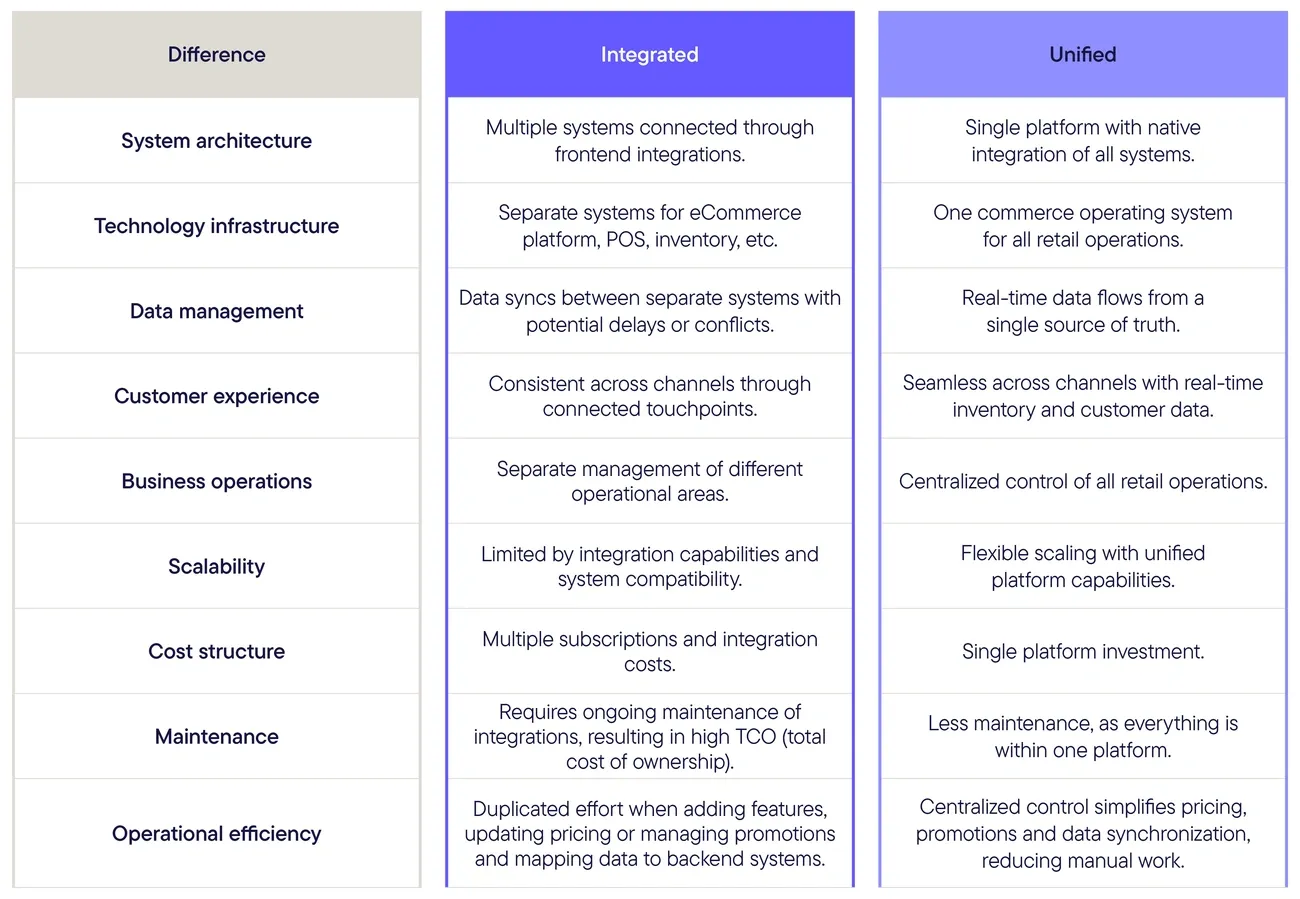
Image Source: Commercetools
Fragmented processes from isolated sales tools can undermine even the best sales strategies. A successful sales management software framework must connect all components of your sales ecosystem to produce consistent results.
How changes in one area affect others
Sales and marketing systems that remain disconnected create rippling consequences throughout your organization. Research shows only 30% of sales professionals report their sales and marketing teams work well together. Teams face numerous pain points from this disconnect – inconsistent messaging, lost leads, and missed opportunities.
Your sales ecosystem sees changes in one area naturally affecting others. Price strategy modifications affect revenue and customer involvement, marketing positioning, and sales team motivation. Your lead qualification process adjustments shape marketing campaign effectiveness, sales rep productivity, and customer acquisition costs.
Sales teams working with other business functions like marketing, customer support, and finance produce more coordinated efforts and better customer experience. Teams working toward common objectives rather than conflicting departmental goals create better results.
Creating a unified sales management platform
A centralized sales management system stores all sales data and converts information into useful insights. This unified approach brings several advantages:
- Efficient workflows: Automation reduces time spent on routine tasks like lead assignment, email marketing, and follow-ups
- Better collaboration: Teams can access customer data, sales activities, and interactions in one place without searching multiple files
- Improved decision-making: Quick access to performance metrics, forecasts, and analytics enables evidence-based decisions
- Complete tracking: The system tracks prospects through different sales funnel stages and ensures timely follow-ups
Small businesses find unified platforms valuable because they remove barriers between stakeholders in the selling process. Teams can cooperate on customer offers and close deals faster while improving pricing and selling efficiencies to build greater margin and grow revenue profitably.
Your sales management software should grow with your business and adapt to changing needs as your company expands. This flexibility will give you a system that works throughout your business development.
Upgrade to Advanced Sales Management Software
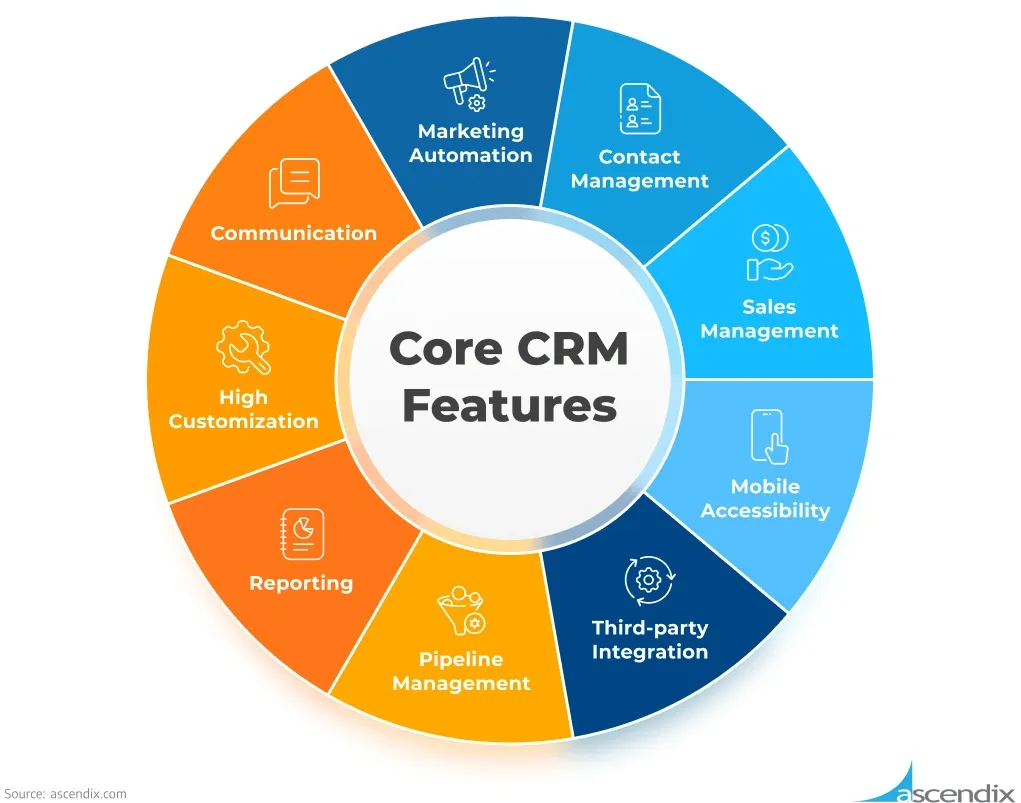
Image Source: Ascendix Technologies
Sales management has evolved with modern technology. Old tools like spreadsheets create inconsistencies, errors, and missed chances, 79% of B2B sales professionals report that clear, available sales data is significant to close deals.
Features to look for in modern tools
Advanced sales management platforms now offer capabilities that far exceed older systems. These significant features should be your priority:
- Pipeline visualization serves as your sales headquarters and shows the status of all deals at once. You can spot areas needing attention quickly
- Customer relationship tracking gives you a clear view of every interaction and touchpoint across your team
- Built-in communication tools like VOIP calling, power dialers, and email integration eliminate platform switching
- AI-driven analytics turn raw sales data into applicable information about customer behaviors and opportunity scoring
- Mobile optimization lets your team update deals and access customer data anywhere. This helps maintain productivity during travel or remote work
Your focus should be on tools with customizable dashboards that provide up-to-the-minute data analysis of your entire sales operation. McKinsey research shows this visibility can lead to 5% revenue growth and 10-15% lower operational costs.
Benefits of integrated platforms
Advanced sales management frameworks stand out because of their integration. A unified platform creates measurable advantages throughout your sales process, unlike disconnected tools.
Centralized data management removes information silos by making all customer interactions visible in one place. Your team can provide the customized treatment customers expect today.
Automated workflows take care of repetitive tasks like lead assignment, quote generation, and follow-ups. Teams save up to 5 hours weekly while reducing errors in critical processes.
Better decision-making tools provide reports and analytics to assess different options. Evidence-based approaches get 29% higher revenue and 17% better lead conversion compared to organizations using separate systems.
The right platform grows with your business and can add new users and features without replacing the whole system.
Gather Feedback from All Stakeholders
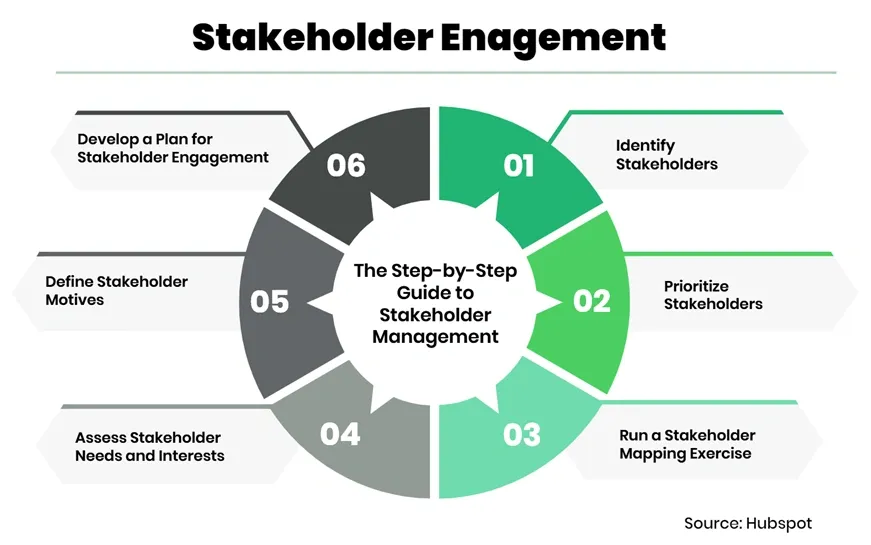
Image Source: TrueProject
Exceptional sales management strategies need input from everyone in the sales ecosystem. Sales teams must direct an expanding number of roles that influence purchase decisions. The average salesperson manages six or more buying influences to close a single deal.
Working with reps, managers, and executives
Your sales process needs feedback from all relevant stakeholders. Organizations often focus only on decision-makers and ignore other influential voices. Building relationships with all buying influences becomes vital to closing deals.
Sales representatives should share what worked well and areas they could improve. This self-reflection helps them develop awareness and accountability that makes coaching more effective.
Sales managers collect feedback for two key purposes:
- They spot patterns of success across the team
- They identify skill gaps that need additional training
Executive stakeholders make strategic direction and resource allocation decisions. Their input helps line up your sales management software framework with broader business goals.
Using feedback to refine strategy
Stakeholder feedback should improve your sales approach continuously. Aberdeen research shows that voice interactions remain vital to customer care programs for 94% of businesses, despite growth in digital channels.
The feedback implementation process requires:
- Identify trends and patterns in comments from multiple stakeholders
- Address client pain points revealed through feedback to position your team as trusted advisors
- Document discussion points from feedback sessions and map specific goals for long-term professional development
Quick, constructive feedback helps teams tackle issues faster. Small businesses can use sales management software to aid this process. The software provides performance data that shows where agents excel and need improvement.
Regular stakeholder participation creates a feedback loop. This loop keeps your sales strategy responsive to market changes and team dynamics.
Coach and Mentor Your Sales Team
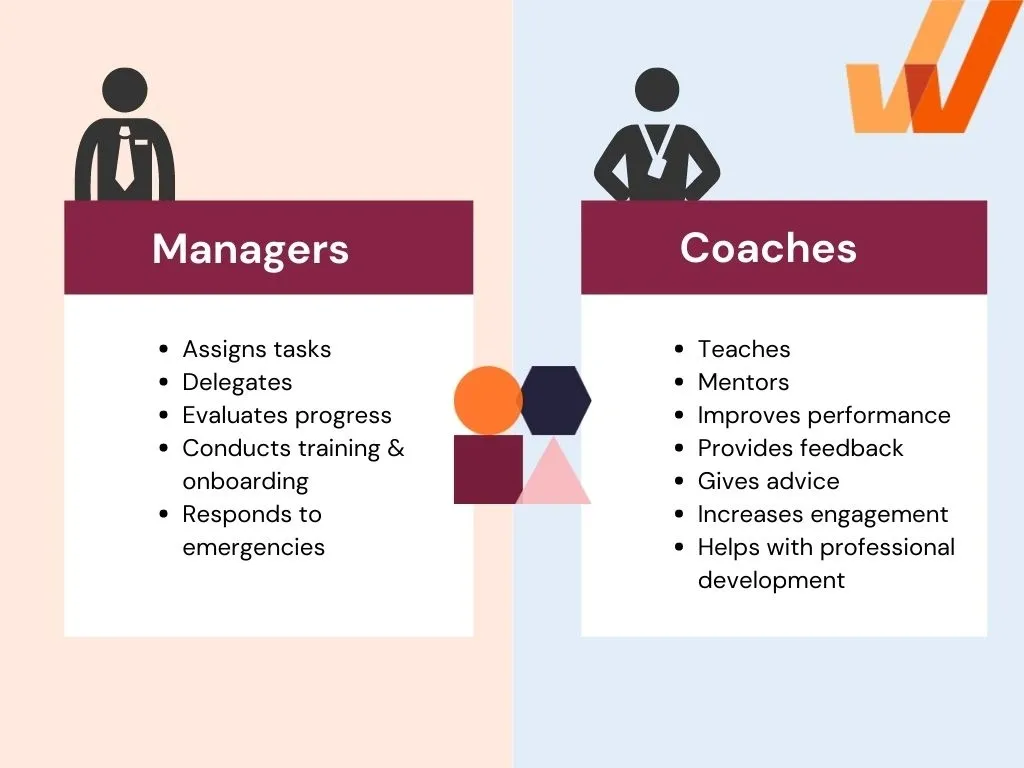
Image Source: Whatfix
People remain the life-blood of sales success, whatever your sales management software framework might be. Sales professionals under mentorship programs generate up to 18% higher revenue compared to those without coaching.
One-on-one coaching best practices
Good one-on-one coaching creates custom sessions that address each sales representative’s needs. Sales managers should listen first and let reps assess their own performance before giving advice. This helps reps find their own path and makes them more open to guidance. We focused on strengths before weaknesses. This positive approach builds confidence and creates openness to feedback.
Clear documentation of discussion points and specific goals with timelines helps track improvement. Your sales management software helps by showing performance data that pinpoints where agents shine and need help.
Group training and roleplay sessions
Group coaching brings unique benefits by encouraging team cooperation and knowledge sharing. These sessions create strong teams, boost seller confidence, and help everyone improve together. Role-playing exercises are great tools that create safe spaces where reps practice handling objections and closing techniques.
Sales leaders should work with L&D professionals to create question maps and scenarios that match typical customer responses. Teams can test different approaches before meeting real customers this way.
Mentorship programs for new reps
Good mentorship programs speed up onboarding and skill development for new representatives. Junior reps paired with experienced professionals help make the most of your sales team’s strengths while deepening relationships and trust.
Small businesses using sales management software for small business gain exceptional value when high-performers share their knowledge throughout the organization. These programs need clear expectations and measurable outcomes using SMART goals (Specific, Measurable, Achievable, Relevant, Time-bound) to track success.
Comparison Table
| Strategy | Key Benefits | Main Features/Components | Implementation Metrics/Stats | Recommended Tools/Approaches |
|---|---|---|---|---|
| Analyze Sales Data | Better lead conversion, reduced customer churn | Descriptive, predictive, and prescriptive analytics | 30% higher lead conversion rates, 25% reduced customer churn | CRM with visualization tools, analytics dashboards |
| Build Detailed Strategy | Higher growth, improved profitability | Clear assessment, defined structure, specific targets, customer identification | 19% faster growth, 15% higher profitability | Standardized sales process, unified data tracking |
| Keep Strategy Transparent | Better team arrangement, improved trust | Up-to-the-minute dashboards, goal visibility | 66% of B2B teams fail without transparency, 70% monitor metrics actively | Centralized dashboards, multiple communication channels |
| Review and Adapt Regularly | Increased resilience, better responsiveness | Regular evaluations, clear KPIs, gap analysis | Not specifically mentioned | Always-On Strategy Model, scheduled reviews |
| Use Scenario Planning | Better predictive capability, strategic advantage | Time series forecasting, regression analysis, chance stage forecasting | Not specifically mentioned | What-if analysis tools, driver-based planning |
| Connect All Components | Optimized efficiency, improved collaboration | Unified platform, centralized data, automated workflows | Only 30% of sales teams report strong arrangement | Integrated sales management platform |
| Upgrade to Advanced Software | Higher revenue, better lead conversion | Pipeline visualization, AI-driven analytics, mobile optimization | 29% higher revenue, 17% better lead conversion | Modern sales management platforms with automation |
| Gather Feedback | Continuous improvement, better arrangement | Multi-stakeholder input, systematic collection | 94% businesses rely on voice interactions | Feedback collection systems, documentation tools |
| Coach and Mentor | Higher revenue generation, faster skill development | One-on-one coaching, group training, mentorship programs | 18% higher revenue with coaching programs | Role-playing exercises, SMART goal tracking |
Know When to Step In and When to Step Back
Your sales management software strategy needs action on multiple fronts. This piece outlines ten tested approaches to tackle common challenges that sales teams face today. A successful sales management system combines data analysis, complete planning, transparency, regular adaptation, scenario modeling, system integration, advanced software, stakeholder feedback, and targeted coaching.
Companies that use these strategies consistently perform better than their competitors. The numbers tell the story clearly: organizations using informed decision making see 30% higher lead conversion rates. Businesses with strong sales arrangements grow 19% faster and achieve 15% higher profitability. These statistics show a clear link between strategic sales management and measurable business results.
Sales leaders often worry about changing their current systems because they might disrupt their
processes. The risk of keeping outdated methods is nowhere near worth the temporary setbacks of implementing new strategies. Each improvement adds to the previous ones. This creates a multiplying effect that revolutionizes your sales operation.
Your sales team needs tools and frameworks to reach their full potential. Of course, sales representatives with proper coaching bring in 18% more revenue than those without mentors. Complete sales management software does more than track activities – it enables your team to work smarter while giving leaders actionable insights.
Small but consistent changes produce remarkable results. Note that sales success comes from combining technology with human expertise. Pick the strategies that solve your most urgent challenges first. Then create a roadmap to implement each improvement. Sales excellence doesn’t come from one solution alone but through carefully chosen strategies that fit your business needs.
Conclusion
A thorough planning and strategic execution are essential to implement a robust sales management software framework. This piece explores ten powerful ways to boost your sales management strategy. We integrated these methods to create a compounding effect. Each element strengthens the others and builds a cohesive system that drives results.
Your current approach needs a review to identify areas that need immediate attention. Your analytics capabilities might need improvement. Your team might need clearer goal communication. Better system integration or advanced forecasting tools could benefit your operation. The success lies in prioritizing based on your business’s specific challenges rather than implementing everything at once.
Small businesses start their experience toward strategic sales management by picking the right tools. Your sales management software for small business should evolve with your organization. It should offer flexibility as your needs change. Start with core capabilities like pipeline visualization and customer relationship tracking. You can expand to more advanced features later.
The implementation process needs thoughtful planning:
- Assess your current sales management ecosystem
- Identify the largest gaps between your current state and desired capabilities
- Develop a phased implementation plan with clear milestones
- Establish metrics to measure success throughout the process
Technology alone cannot transform your sales operation. It must work alongside effective leadership practices. The most sophisticated sales manager software will not deliver its full potential unless your team knows how to utilize these tools effectively.
Sales excellence comes from balancing structured processes with human insight. Automation streamlines efficiency, but the human element remains crucial in building customer relationships. Organizations that combine technological advancement with people-centered leadership will create truly adaptive sales management strategies.
Ready to upgrade your sales strategy? Visit GrowLeads.io for expert tips now!
FAQs
Q1. What are the key responsibilities of a sales manager?
Sales managers typically oversee developing and executing sales plans, hiring and training salespeople, motivating the team, setting targets, managing the sales pipeline, reporting on activities, and managing the sales budget.
Q2. How can businesses increase their sales revenue?
Businesses can increase revenue by focusing on four main methods: increasing the number of customers, increasing average transaction size, increasing the frequency of transactions per customer, and raising prices.
Q3. What are the essential elements of an effective sales strategy?
An effective sales strategy includes setting clear goals, defining your unique value proposition, creating customer personas, identifying areas for improvement, outlining an action plan, and building and maintaining a robust sales pipeline.
Q4. Which sales strategies are most commonly used by businesses?
The most common sales strategies include solution selling (addressing specific customer needs), consultative selling (acting as an expert advisor), and relationship selling (building long-term connections with customers).
Q5. How can sales management software improve a company’s sales performance?
Sales management software can enhance performance by providing real-time data analytics, streamlining processes, improving team collaboration, enabling better forecasting, and offering insights for data-driven decision-making. It also helps in tracking key metrics and automating routine tasks, allowing sales teams to focus more on building customer relationships.

Runs the sales process, lead qualification, and client delivery that turn signals into qualified meetings.