What Every B2B Brand Should Know About Sales Follow Up Email Strategy

Only 8.5% of sales outreach emails get responses. This number might seem low, but here’s something even more surprising: 48% of sales representatives never follow up with prospects after their first contact.
The numbers tell an interesting story about persistence. Success rates change dramatically with multiple touchpoints. First contacts only achieve 2% success. But fifth through twelfth contacts reach an impressive 80% conversion rate. Most leads need 6-8 follow-ups to become customers. Many companies take 72 hours to follow up with prospects – far too long to be effective.
Your B2B business needs a solid sales follow-up email strategy. A good email template can push response rates up to 25-35%. It shows your professionalism and builds trust with prospects. Each follow-up email gives you a chance to learn more about your prospect’s needs and adjust your sales pitch.
This piece will show you how to build compelling follow-up email templates. You’ll learn the best timing between messages and ways to make your emails stand out in busy inboxes. Let’s help you turn your follow-up process into a conversion powerhouse!
Why Follow-Up Emails Matter in B2B Sales
“Did you know that 96% of organizations believe that email personalization can improve email marketing performance?”
, WizCommerce Team, E-commerce and sales experts at WizCommerce
B2B sales creates a challenging landscape where relationships and persistence determine success. Website visitors aren’t ready to buy 92% of the time. They research options and gather information. A resilient sales follow up email strategy serves as your bridge to turn these hesitant prospects into loyal customers.
Building trust and long-term relationships
Trust stands as the life-blood of successful B2B relationships. Thoughtful follow-up communications make potential clients notice your business as reliable and attentive. B2B decision-makers call strong customer relationships significant to achieve their business objectives 84% of the time, according to Forbes Insights.
Follow-up emails work as trust-building tools that show:
- Your commitment to understand their unique challenges
- Communication consistency that builds credibility
- Real interest to provide tools beyond just making sales
- Your dependability as a potential long-term partner
Strategic sales follow-up emails encourage stronger relationships that create customer loyalty and better retention rates. These connections guide valuable referrals, 84% of B2B relationships start with referrals.
Moving leads through the sales funnel
B2B buying rarely ends after first contact. Only 8.5% of first sales emails get responses. A well-laid-out follow-up sequence helps nurture prospects through your sales pipeline.
Good follow-up emails help potential customers through various decision-making stages. They provide individual-specific assistance and relevant information at each step. These touchpoints keep conversations going while moving prospects closer to conversion.
Evidence-based email nurturing works like another team member in your sales funnel. It ensures every lead receives timely, custom communication based on their buying process position. This helps B2B contexts where decision cycles take longer and need multiple stakeholders.
Repeat follow-up attempts improve outcomes substantially. First follow-up emails get 40% more responses than initial outreach. Most sales need 5-8 follow-ups to convert.
Standing out in a competitive market
Today’s saturated B2B marketplace needs more than excellent products or services. Quick follow-ups create competitive advantage, vendors who respond first win 30-50% of sales.
Thoughtful sales follow-up email templates show your attentiveness and professionalism. You stand out from competitors who drop prospects after first contact. Custom follow-ups that address specific pain points prove you understand their challenges.
Regular follow-ups demonstrate your genuine interest to solve client problems beyond pushing quick sales. Value-focused communication keeps you visible to decision-makers during their evaluation process.
Strategic follow-ups ensure your brand stays memorable even when prospects can’t buy immediately. A systematic approach to follow-up communications improves your chances to win business against competitors.
Key Elements of an Effective Sales Follow-Up Email
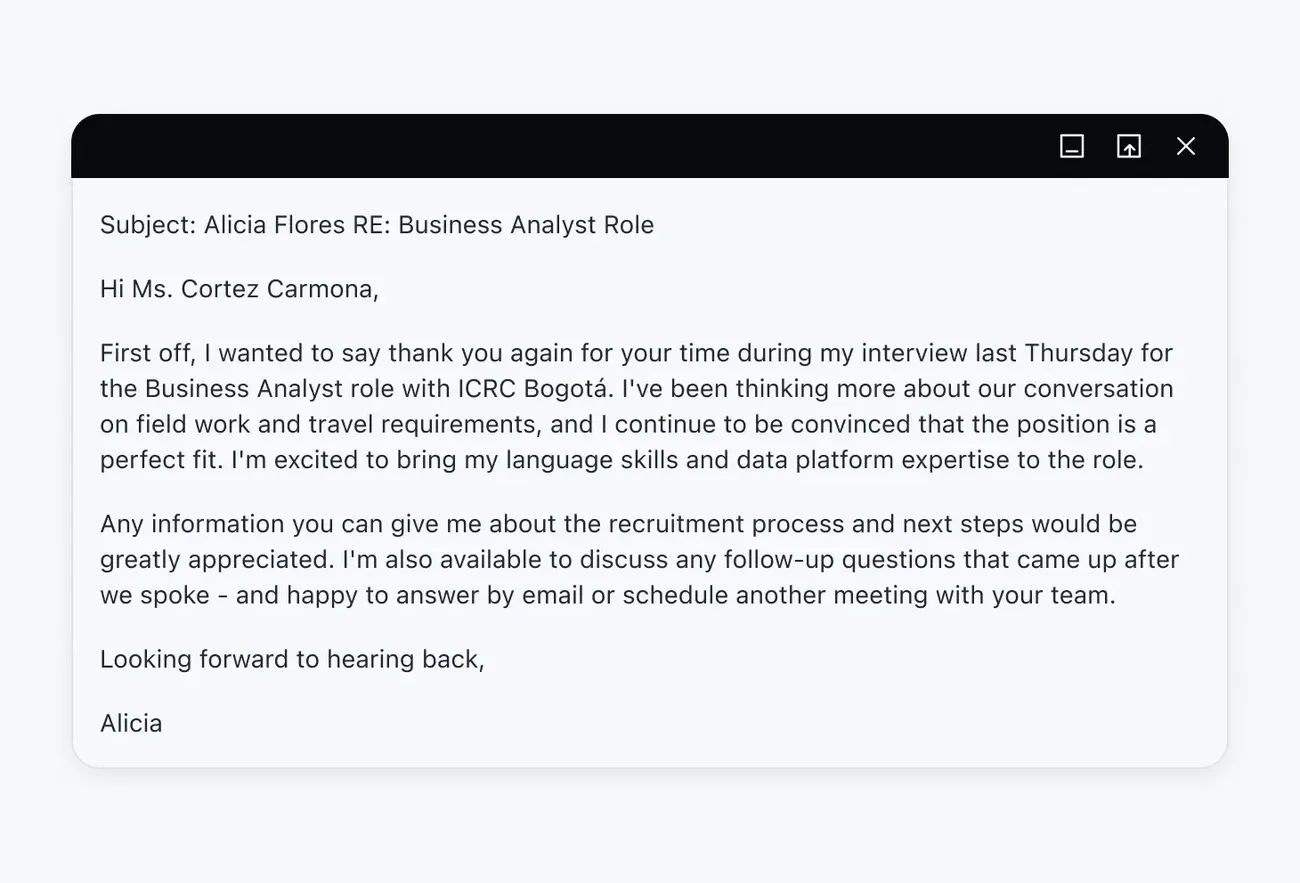
“A good line of communication is about keeping the conversation flowing. Guiding the reader to the next step with a clear and direct call to action is just one way your follow up will prove fruitful.”
, Magical Team, Sales communication experts at Magical
Sales follow-up emails need specific components to boost open rates and get more responses. A few key elements make the difference between emails that get ignored and ones that drive action.
Personalization and relevance
Adding a recipient’s name isn’t enough for true personalization. A good sales follow-up email shows you understand your prospect’s challenges and business situation. Personalized CTAs perform 202% better than generic ones. This proves why you need to tailor each message.
Here’s how to personalize effectively:
- Mention specific points from your previous talks, like challenges, goals, or industry details
- Link your solution to the recipient’s exact needs and interests
- Skip generic phrases anyone could use and show you remember what you discussed
Generic messages can’t match the connection you build with personalized follow-ups. Prospects feel valued when you mention their company’s recent news or specific challenges. This shows them they’re more than just another contact on your list.
Clear subject lines and CTAs
Your subject line opens the door to your email. Even amazing content stays unread without a good one. Research shows personalized subject lines can increase open rates by up to 20%. This makes them crucial for successful follow-ups.
Your subject lines will work better if you:
- Keep them brief (6-10 words)
- Highlight benefits over features
- Spark interest with lines like “Quick question about [their goal]”
Your call-to-action (CTA) matters just as much. Each follow-up should have one simple CTA that shows the next step. Stick to one clear request per email, whether it’s booking a call, watching a demo, or asking questions.
Place your CTA strategically:
- Near the top so it’s instantly visible
- In the subject line to preview the action
- At the bottom as a final reminder before closing
Providing value in every message
Your prospects’ time matters. Make sure each follow-up gives them something useful. Good sales follow-ups show how you can solve problems or offer relevant help, rather than just selling.
You can add value by:
- Offering industry insights or relevant content
- Sharing helpful resources like case studies or white papers
- Suggesting tools to specific challenges
Keep your value proposition simple and focused on the prospect when writing value-based follow-ups. This helps position you as a trusted advisor instead of just another sales rep.
A timely, well-written follow-up email can turn interest into a lasting customer relationship. Mix personalization with clear subject lines, compelling CTAs, and consistent value. This creates emails your prospects want to open, read, and answer, moving them through your sales pipeline faster.
Timing and Frequency: When to Send Follow-Ups

The right timing of your sales follow-up emails can make you appear either caring or pushy. You need to strike a balance by understanding when prospects want to hear from you and respect their time to make decisions.
Ideal intervals between follow-ups
Your sales follow-up email strategy works best with this progressive pattern:
- First follow-up: Send within 24-48 hours after the original contact to keep the conversation fresh
- Second follow-up: Schedule 3-5 days after your first follow-up
- Third follow-up: Wait 7-10 days before sending
- Subsequent follow-ups: Space out to 10-14 days apart
This gradual spacing shows you’re persistent without overwhelming anyone. Research shows response rates stay highest when follow-ups keep a 3-4 day gap at first. The response rates drop noticeably when you wait more than 4 days.
Adjusting based on buyer behavior
Your sales follow-up email template should change based on how prospects interact. Quick follow-ups make sense when recipients open emails multiple times or click links. PhoneBurner’s tracking system shows that 30-50% of sales go to vendors responding first. This proves why timing matters so much.
You should space out your messages more for prospects who show little interest. Your industry’s sales cycle length matters too – tech companies are fine with shorter gaps between messages. Manufacturing or government sectors expect you to wait longer between communications.
Avoiding overcommunication
You can damage relationships before they start by sending too many follow-ups. Research shows 80% of sales need five or more follow-ups, but flooding someone’s inbox doesn’t work.
Watch for these signs that your sales follow-up email frequency needs to change:
- Short, abrupt replies or requests to stop contact
- Silence after previously engaged conversations
- Your gut feeling about sending another message
You should focus on consistency rather than volume. Industry data backs this up – emails that arrive on a predictable schedule (weekly or bi-weekly) work better than random, frequent messages. Most professionals suggest not sending more than one email per week for B2B communication to stay professional.
How to Write a Sales Follow-Up Email
Writing a sales follow-up email that works takes both skill and careful attention. Every part of your email helps get responses and brings prospects closer to saying yes.
Start with a warm greeting
The recipient’s name creates an instant connection. Your opening should sound professional but friendly. Here are some good ways to start:
- “Hey [First Name], hope your week is off to a great start!”
- “Hi [First Name], checking in to see how things are going!”
People feel special when you use their names instead of feeling like just another contact on your list. This makes them more likely to read your sales follow-up email.
Reference previous interaction
A quick mention of your last chat helps refresh their memory. This shows you pay attention and keeps the conversation going:
“I really enjoyed our phone call last week discussing [specific topic].”
“Just following up on the email I sent last Tuesday about [specific subject].”
Your prospects will remember who you are and why you’re reaching out when you remind them of past conversations.
State your purpose clearly
Tell them exactly why you’re following up. People like to know what you want right away:
“I wanted to check if you had a chance to review the proposal I sent.”
“I’m reaching out to see if you’d like to schedule that demo we discussed.”
Your sales follow-up email template stays focused when you keep your purpose short and sweet.
Add value with resources or insights
Make each follow-up count by giving something useful. You might say:
“I came across this research that might help with the challenges you mentioned about [topic].”
“I’ve attached the case study we discussed that shows how we helped a similar company increase productivity by 25%.”
Sharing helpful content shows you’re there to help, not just to sell.
Include a clear CTA
Let them know the next step you want them to take. Be specific:
“Would you be available for a 15-minute call next Tuesday at 2 PM to discuss next steps?”
“Please review the attached document and let me know if you have any questions.”
Clear next steps make it easy for prospects to respond.
Proofread before sending
Small mistakes can hurt your professional image. Double-check these things:
- Spelling and grammar
- Names and details
- Links and attachments
- Message clarity and length
A well-proofread email shows you care about quality and respect your recipient’s time.
Using Templates and Tools to Streamline Follow-Ups
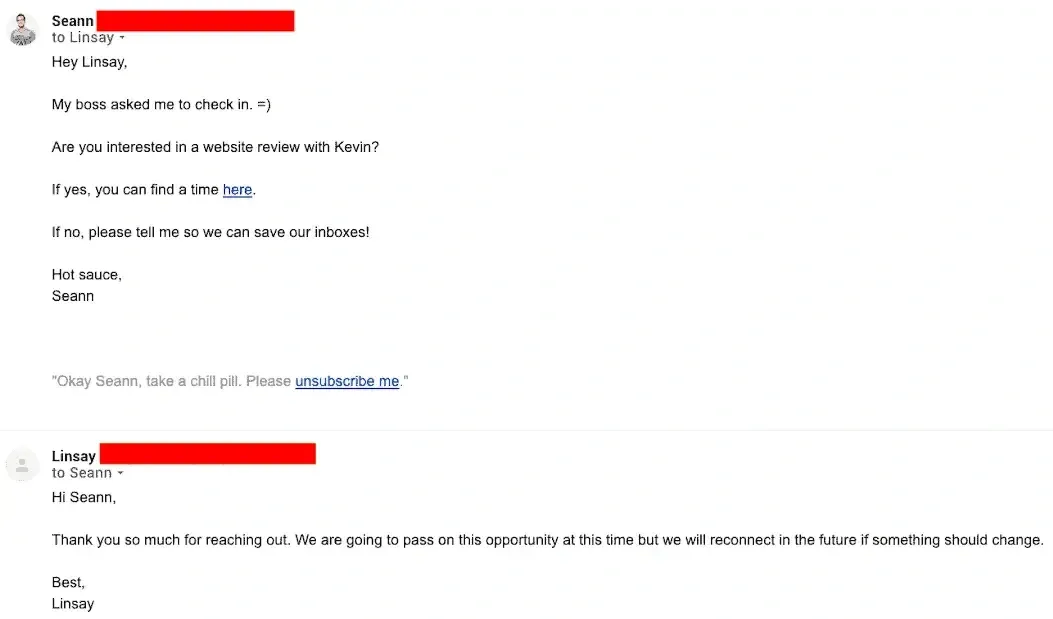 Your sales follow-up email strategy needs to adapt as your prospect list grows. Templates and automation tools help you maintain tailored messages and save precious time.
Follow up email template sales examples
Good templates act as frameworks that you can adapt for different prospects. Welcome emails should include a friendly greeting, highlight your service’s benefits, and share helpful resources to get started. Post-purchase templates need to thank customers, show their order details, and help them maximize their purchase value.
A tailored follow-up template might read:
“Hi [customer’s first name], Thanks for learning about [product/service] with us! I hope the [demo/consultation] gave you a clear idea of how we can help you achieve [specific goal].”
This message acknowledges their interest and reinforces specific benefits that match their goals.
Sales follow-up email sample for different scenarios
Each situation needs its own approach:
No response scenarios: “I’m writing about my email regarding [topic]. We haven’t heard back from your team. Let me know if you’d like to talk more about your calendar options in the coming weeks.”
After a trigger event: “Your teammates checked our product page this week. They looked at features that help reps close deals faster. Could we spend 10 minutes discussing what tools your team needs?”
Breaking up messages: “My attempts to reach you haven’t succeeded, which suggests: 1) You’re all set 2) You’re interested but busy 3) You’ve fallen and can’t get up…” This light touch often gets responses from silent prospects.
Using CRM and automation tools
Modern CRM systems optimize follow-up processes. HubSpot’s free CRM tracks emails and notifies you when leads open them, creating perfect timing for follow-ups.
Outreach makes shared campaigns possible through email, voice, and social media. It sends tailored follow-ups automatically when prospects don’t respond.
Mailmodo gives you interactive customer experience builders with adaptable trigger events, conditions, and delays to build sophisticated follow-up sequences.
Templates combined with these automation tools create an adaptable system that keeps messages personal while boosting response rates significantly.
Conclusion
B2B success in today’s competitive marketplace depends on sales follow-up emails that work. Our data shows that 5-12 contacts can lead to an 80% success rate. Your follow-up strategy needs careful attention to timing, individual-specific experiences, and value delivery.
Each follow-up email gives you a chance to build trust with prospects who aren’t ready to buy yet. The core elements we discussed work together – personalized messaging, clear subject lines, compelling CTAs, and consistent value. These help move prospects through your sales funnel and set your brand apart from competitors.
Your follow-up cadence substantially affects response rates. The recommended progressive intervals between messages show persistence without overwhelming prospects. You should adapt your approach based on your prospect’s engagement signals and industry expectations.
Your follow-up email’s structure matters as much as timing. Messages that prospects want to read start with warm greetings and reference previous interactions. They state their purpose clearly and include specific CTAs. This approach, combined with the right templates and automation tools, lets you keep messages personal while scaling your outreach.
Sales follow-up emails ended up as powerful conversion tools when done right. These strategies will help turn hesitant prospects into loyal customers. Your brand will become known as reliable, attentive, and focused on solving customer’s problems rather than just making quick sales.
FAQs
Q1. How often should I send follow-up emails in B2B sales?
For B2B sales, start with a follow-up within 24-48 hours of initial contact. Then, space out subsequent follow-ups: 3-5 days for the second, 7-10 days for the third, and 10-14 days for later follow-ups. Adjust based on prospect engagement and industry norms, but avoid sending more than one email per week to maintain professionalism.
Q2. What are the key elements of an effective sales follow-up email?
An effective sales follow-up email should include personalization, a clear subject line, a compelling call-to-action (CTA), and valuable content for the recipient. Start with a warm greeting, reference previous interactions, state your purpose clearly, and provide relevant resources or insights. End with a specific CTA that guides the prospect towards the next step.
Q3. How can I make my follow-up emails stand out in a competitive B2B market?
To stand out, focus on personalization and providing value in every message. Reference specific details from previous conversations, address the recipient’s unique challenges, and offer relevant insights or resources. Use clear, benefit-focused subject lines and maintain a consistent follow-up cadence. Demonstrate your understanding of their business context and position yourself as a trusted advisor rather than just another salesperson.
Q4. What tools can help streamline the follow-up email process?
Several tools can help streamline your follow-up process. Customer Relationship Management (CRM) systems like HubSpot offer email tracking and notification features. Automation platforms such as Outreach enable multi-channel campaigns with personalized follow-ups. Tools like Mailmodo provide customizable customer journey builders for creating sophisticated follow-up sequences. These tools can help maintain personalization while increasing efficiency and response rates.
Q5. How do I write a follow-up email after no response?
When writing a follow-up email after no response, keep it brief and to the point. Remind the recipient of your previous interaction and clearly state the purpose of your follow-up. For example: “I’m following up on my email about [topic]. I haven’t heard back from your team. If it makes sense to discuss further, please let me know your availability in the coming weeks.” Include a clear call-to-action and consider offering additional value, such as a relevant resource or insight.

Runs the sales process, lead qualification, and client delivery that turn signals into qualified meetings.