
B2B Follow Up Strategies to Boost Appointment Rates

Are you closing enough deals from your initial prospect contacts?
The answer is probably no. Why? Because 80% of sales require at least five follow-ups after initial contact, yet most b2b appointment setting follow-up efforts stop well short of this number.
Let’s look at the numbers, they paint a clear picture. A staggering 79% of leads never convert due to weak appointment setting and poor follow up strategies. But there’s huge potential for improvement. Companies using structured follow up strategies see a 47% higher response rate. Even more impressive, an omnichannel approach boosts bookings by 287%.
Timing is key. Reaching out within 24 hours of first contact can increase responses by 60%, keeping your brand top of mind. Still, many teams struggle to implement follow up strategies that consistently deliver results in the B2B space.
You need a repeatable system. In this article, we’ll break down effective follow up strategies for every stage of the sales journey, from early attention-grabbing outreach to final push tactics that close the meeting. These are proven methods that raise appointment rates without sounding aggressive or robotic.
Let’s dive in and turn your cold leads into warm appointments that move the needle 👇
Map Follow Up strategies to the Sales Funnel
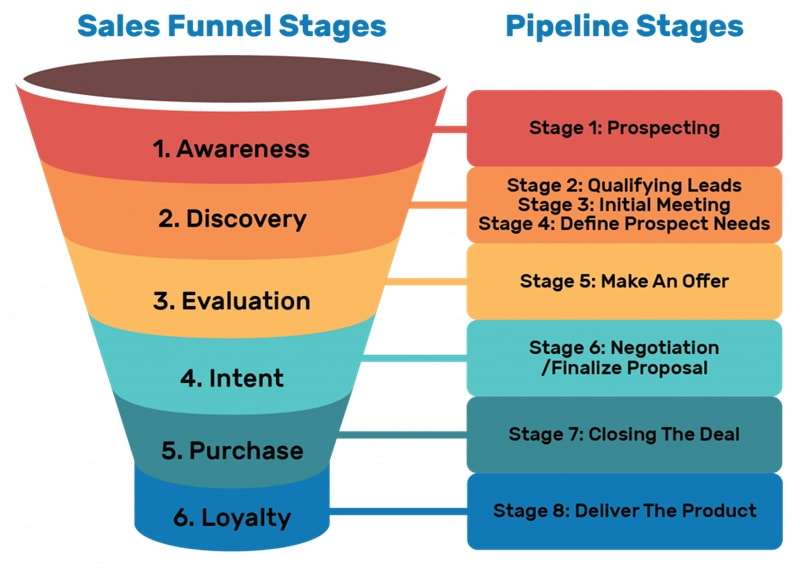
The success of your B2B appointment setting efforts depends heavily on how well you align your follow-up strategy with where your prospect sits in the sales funnel. Sending the right message at the right time can dramatically boost your conversion rates, while misaligned communication often leads to missed opportunities and wasted sales efforts.
Why timing matters in B2B appointment setting
Timing isn’t just a small factor, it’s often decisive in whether your follow-up converts or falls flat. Research shows the average lead needs 6-8 touches before they convert, yet many sales professionals give up after just one or two attempts. This premature surrender creates a huge competitive advantage for those who stay persistent.
For best results, follow up within 24-48 hours after first contact. This timeframe keeps your conversation fresh in the prospect’s mind and shows you’re responsive. Data also suggests that spacing your subsequent follow-ups 3-5 days apart maintains interest without making prospects feel pressured.
Different industries respond at different times, too. Financial services professionals check emails between 7:30-8:30 AM, manufacturing contacts between 6:30-8:00 AM, and healthcare decision-makers between 10:00-11:00 AM. Studies have found that 62% of ignored outreach happens during peak workload hours, with companies seeing a 28% improvement in response rates simply by adjusting when they reach out.
How follow up strategies differ across funnel stages
You need a different approach for each stage of your sales funnel, tailored to your prospect’s mindset:
Top of funnel (Awareness): Your early follow-ups should focus on building initial interest through purposeful interactions. Your goal is qualifying prospects to make sure only high-potential leads enter your funnel. Skip the sales pitch and instead offer educational content that addresses their general pain points.
Middle of funnel (Consideration): Once prospects know about your solution, they actively research and compare options. Your follow-ups should include personalized communication with valuable content that positions your offering as the best solution. Case studies and industry insights work well here since prospects are evaluating potential fits.
Bottom of funnel (Decision): At this point, prospects are ready to buy but might need a final nudge. Your follow-ups should create urgency without pressure and provide clear next steps. Regular touchpoints prevent prospects from losing momentum or switching to competitors.
Re-engagement: For prospects who’ve gone quiet, acknowledge the gap in communication and reset the conversation with a gentle approach. Companies that remain persistent often win over those who send one-and-done messages.
The effectiveness of your follow-up strategy depends largely on timing and context awareness. By tracking metrics like conversion rates, lead response times, and appointment settings, you’ll gain insights that help you refine your approach and improve results.
Remember that segmentation allows for tailored follow-up communications based on lead behavior, industry, or sales funnel stage. These personalized messages connect more deeply with recipients, significantly increasing your chances of positive responses and moving prospects smoothly through your appointment setting process.
Start Strong: Early-Stage Follow-Up Tactics
Those first few days after connecting with a prospect are your golden window of opportunity. The stats don’t lie, contacting leads within the first hour increases your conversion chances by 7 times, while waiting beyond 24 hours causes these chances to plummet dramatically.
Send a value-based follow-up within 24 hours
First impressions matter enormously in B2B sales. Research confirms that response rates peak when you follow up within 24 hours after initial contact. This prompt response shows you’re reliable and keeps your conversation fresh in your prospect’s mind.
Your first follow-up needs to hit these three key marks:
-
Thank them for their interest or inquiry
-
Share resources that deliver immediate value
-
Offer a clear next step to advance the conversation
Don’t just send generic content and hope for the best. Instead, share targeted resources like case studies, blog posts, or exclusive guides that speak directly to their specific pain points. As one sales expert puts it, “You’re not delivering full-blown content with infographics; you’re giving prospects a small taste of what they can expect from your product or service”.
Use curiosity-driven subject lines
Your subject line is the gatekeeper to engagement, if it fails to grab attention, nothing else matters. Keep it short and sweet, around 41 characters or about seven words for maximum impact.
Curiosity-driven subject lines boost open rates significantly by creating an information gap that readers feel compelled to fill. Ditch those generic “Following up” lines and try these instead:
-
“Question about your [specific goal]”
-
“Think you’ll find this useful, [name]”
-
“I’ve got [specific benefit] ready for you”
Personalization makes a huge difference, just adding the recipient’s name can increase open rates by 29%. This simple touch immediately sets your message apart from automated sales communications.
Avoid repeating your initial pitch
When prospects don’t respond right away, it’s rarely because they’re not interested, they’re usually just busy. Each follow-up should bring something fresh to the table rather than rehashing your initial message.
Instead of sounding like a broken record, acknowledge what you’ve discussed previously, then pivot to providing additional value. For example, after an initial call, follow up with “5 points from our call” instead of restating your sales pitch.
Every communication should have a specific purpose, whether that’s sharing new information, offering solutions to problems, or providing relevant case studies. This approach shows you’re paying attention to their needs and positions you as a trusted advisor rather than just another sales rep chasing a quick win.
Mid-Funnel Follow-Ups That Build Trust
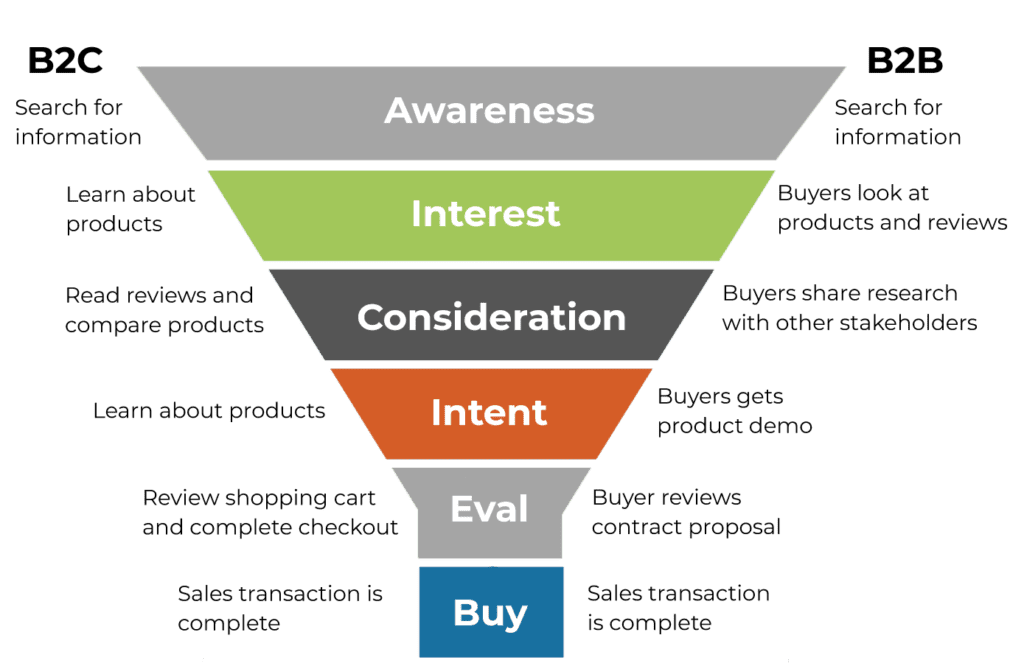
Once prospects enter the middle of your sales funnel, they’re no longer just aware of your solution, they’re actively researching and comparing options. At this stage, your b2b appointment setting follow-up strategy needs to shift from simple awareness-building to establishing real credibility and trust.
Share relevant case studies or insights
Mid-funnel prospects aren’t looking for flashy promises, they need proof that your solution delivers results. Case studies are powerful trust-building tools, with research showing that 92% of B2B buyers are more likely to engage with companies that share real success stories.
When sharing case studies in your follow-ups, focus on three key elements:
-
Relatable challenges: Highlight problems similar to what your prospect is experiencing
-
Quantifiable results: Include specific metrics and outcomes achieved
-
Relevant industry examples: Choose cases from the prospect’s sector or similar businesses
A well-crafted case study doesn’t just showcase past successes, it builds trust, creates credibility, and makes your offering compelling. Keep these stories concise and focused on the value delivered.
Beyond case studies, sharing relevant industry insights positions you as a knowledgeable partner rather than just another vendor. This approach means acting as a consultant who helps prospects navigate complex business environments and uncover improvement opportunities they hadn’t recognized before.
Ask open-ended questions to spark replies
Open-ended questions are gold for mid-funnel engagement. They encourage meaningful dialog and reveal crucial information about your prospects’ needs, helping you uncover pain points and clearly articulate your solution’s value.
Unlike closed questions that get you yes/no responses, open-ended questions invite prospects to share their thoughts extensively. This approach works on multiple levels:
First, it shows genuine interest in understanding their situation. Questions like “What motivated you to look for a solution?” demonstrate sincerity and build rapport.
Second, these questions uncover specific pain points you can address later. For example, asking “How is this problem affecting your revenue or costs?” helps quantify the issue’s impact.
Finally, open-ended questions build trust because they show prospects you value their thoughts. You’re essentially inviting them to share everything about a topic, the good, bad, and challenging aspects.
The key to making this work? Listen carefully to their responses. This attentiveness helps you understand their needs thoroughly, enabling you to offer solutions that truly resonate. Plus, this approach makes conversations feel like genuine dialogs rather than one-sided sales pitches.
Late-Stage Follow-Ups That Drive Action
You’re getting closer to closing the deal – your prospects are nearing the decision stage. At this point, your b2b appointment setting follow-up strategy needs a critical shift in focus. Remember that 80% of sales require at least five follow-ups after initial contact. Your challenge now? Creating momentum without applying pressure that could derail your progress.
Use urgency without pressure
Creating urgency is essential for driving action, but you need to do it with finesse and respect. The most effective approach is helping buyers identify their own need to act rather than forcing artificial deadlines on them.
Try discussing what happens if they maintain the status quo. When you address pain points directly and show what happens if these issues remain unresolved, you create natural urgency that motivates action without coming across as pushy.
When legitimate time constraints do exist, be honest about them:
-
For promotional deadlines, mention them clearly
-
With limited-time offers, explain the unique benefits available during this window
-
Consider shortening communication intervals as decision time approaches
Balance is key here – focus on value rather than pressure. Studies show that highlighting competitive advantages creates urgency by tapping into a prospect’s natural motivation to outperform competitors. This approach naturally speeds up decisions because no business wants to fall behind.
The most successful b2b appointment setting techniques create urgency organically. As one expert puts it, “If every sales message you send is urgent, you’ll develop a bad reputation in the marketplace.”
Offer a clear next step or calendar link
After building appropriate urgency, you need to provide a specific, actionable next step. Timing remains critical – those 80% of sales requiring five follow-ups also need clear next steps to maintain momentum.
For the best results, follow this timing structure:
-
Within 24 hours: Send a brief meeting summary with action items to reinforce clarity and build trust
-
48-72 hours: Share helpful resources that keep the client engaged
-
One week: Schedule a follow-up call or meeting to maintain progress
Making scheduling effortless is crucial. Automated calendar tools reduce administrative work and boost meeting success rates. According to one analysis, companies using tools like HubSpot Meetings see 36% better engagement through automated follow-up sequences.
Be specific with your call-to-action. Instead of asking “Are we still on for Tuesday?”, frame it as “Is there any additional information I should bring to our meeting this Tuesday?” This approach demonstrates value while subtly confirming the appointment.
Don’t forget that appointment confirmations are opportunities to reinforce your solution’s value. Send meeting reminders 24 hours and 1 hour before the scheduled time to minimize no-shows and keep your offering top-of-mind during this critical decision phase.
Re-Engage Cold Leads Without Sounding Pushy
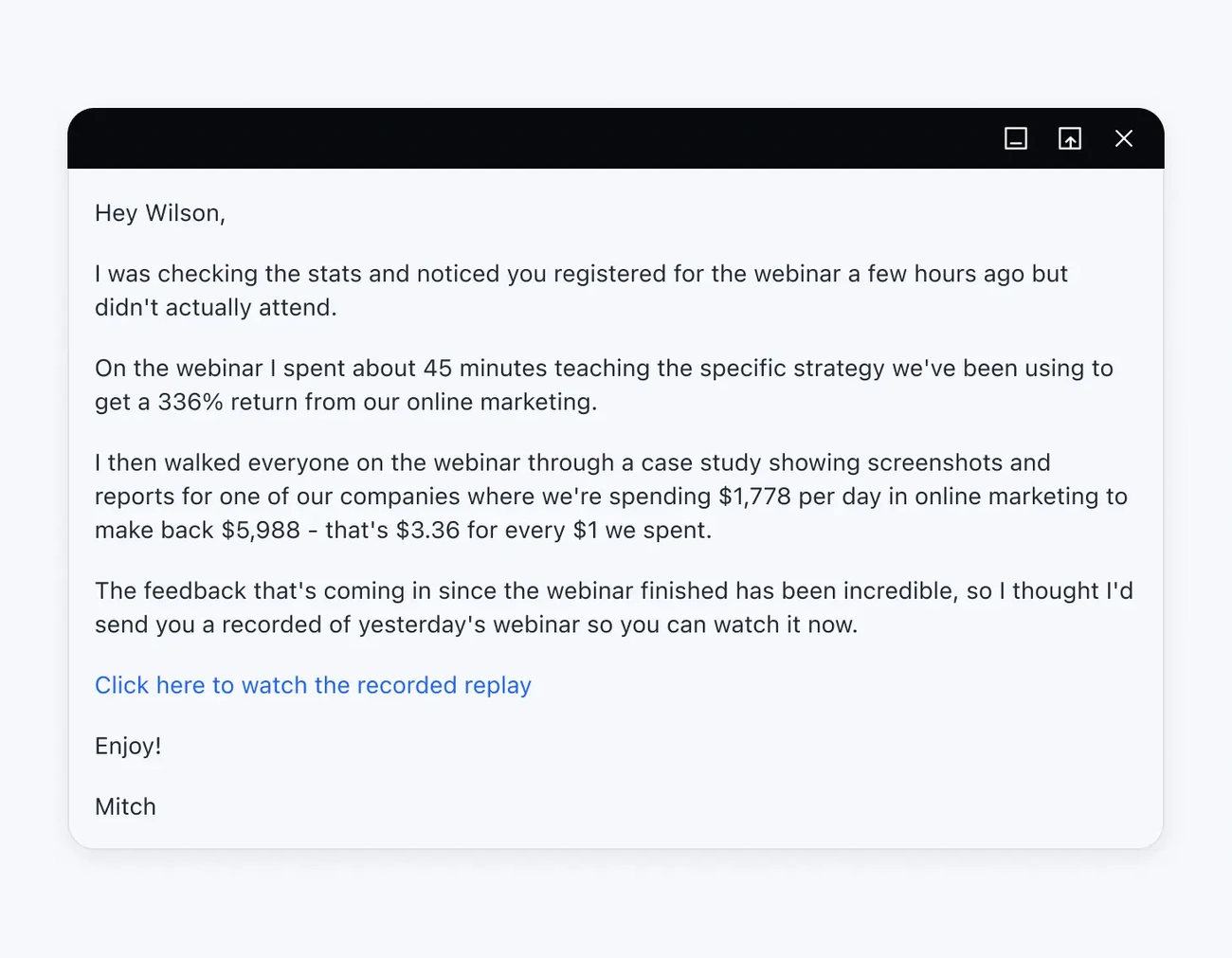
Let’s face reality, even your best appointment setting campaigns will eventually run into unresponsive prospects. The stats don’t lie: nearly 80% of leads go cold before converting into customers, which means you’re sitting on a gold mine of untapped potential. The real challenge isn’t about giving up on these leads, but figuring out how to circle back without making them run for the hills.
Recognize silence and reset the conversation
When a lead goes quiet, directly acknowledging the communication gap creates room for an honest restart. This approach shows respect for your prospect’s time and circumstances, unlike aggressive follow-ups that just pile on more pressure.
As one sales expert puts it, “If you receive feedback that your team is being too pushy, or see a trend of blunt responses from prospects, this may be a sign to pump the brakes a bit”. Rather than hammering away with your standard pitch, try resetting the conversation completely. This positions you as helpful instead of just persistent.
Your reset messages should typically:
-
Briefly reference previous communications to jog their memory
-
Acknowledge the gap without making them feel guilty
-
Offer something fresh, a new perspective or information
-
Show empathy about their busy schedule
When you keep your tone conversational throughout these messages, you build bridges instead of barriers. You want prospects to feel safe and respected, which makes them more likely to re-engage when they’re ready.
Use a soft CTA to invite re-engagement
Soft CTAs ask for interest rather than time, making them perfect for warming up cold leads. These low-pressure invitations build trust by letting prospects maintain control over the next steps.
“A soft CTA is a less-invasive action for visitors to take… You’re still giving them a next step – a reason to stay in your orbit and continue to engage with your brand, but it’s a next step that doesn’t feel like a massive commitment”.
Try using phrases like “Open to finding out more?” or simply ask if a specific resource would be helpful. This approach lets prospects show interest without committing to a meeting, creating comfortable middle ground for re-engagement.
Finding the sweet spot between persistence and respect will determine your re-engagement success. Companies with well-planned re-engagement strategies boost sales opportunities by 181% and improve closing rates from 11% to 40%. Remember, your goal isn’t immediate conversion but rebuilding a relationship that could eventually lead to productive appointments.
The best B2B appointment setting strategies recognize a fundamental truth: behind every business transaction are real people making decisions. Research shows that 80% of sales require five follow-ups, yet maintaining consistency without becoming robotic is a real challenge for sales professionals.
Balance Automation with Human Touch
While automation streamlines follow-up processes, the human element remains essential for building meaningful relationships. Businesses that implement hybrid approaches, combining automated scheduling with personalized engagement, see significantly higher conversion rates. Think of automation as your framework, not your voice.
Creating this balance requires thoughtful implementation:
-
Use automation for timing and reminders while reserving personal touches for relationship building
-
Segment leads by industry, company size, or sales stage for relevance
-
Employ automation tools that allow personalization beyond just inserting names
Tools like HubSpot and Salesforce enable consistent follow-ups without sacrificing the human connection. But you need to recognize when prospects need direct human interaction, especially for addressing complex questions or maintaining long-term relationships.
Maintain Consistency Without Being Pushy
Remember that persistence is completely different from pushiness. As one sales expert notes, “Being consistent and persistent is not the same as being pushy and aggressive”. Space your follow-ups appropriately rather than cramming them into short timeframes.
Personalization goes deeper than using first names, it demonstrates genuine understanding of your prospect’s situation. Prospects can immediately sense when communications feel authentic versus automated.
Pick one follow-up tip from this post to test this week. Noticed a difference? Share your thoughts in the comments or reach out to us at GrowLeads.io to explore how we can help you scale those wins.
FAQs
Q1. How can I improve my B2B follow-up strategy?
Focus on personalization, timing, and providing value. Use a mix of automated and personalized communications, follow up within 24 hours of initial contact, and share relevant content that addresses your prospect’s specific pain points.
Q2. What’s the best way to create urgency in B2B appointment setting without being pushy?
Highlight the potential consequences of maintaining the status quo and focus on the unique benefits of your solution. Create organic urgency by discussing how your offering can help prospects outperform competitors, rather than imposing artificial deadlines.
Q3. How many follow-ups should I make in the B2B sales process?
Research shows that 80% of sales require at least five follow-ups after initial contact. Maintain persistence without being pushy by spacing your follow-ups appropriately and providing new value in each communication.
Q4. What’s an effective way to re-engage cold B2B leads?
Acknowledge the gap in communication and reset the conversation with a fresh perspective. Use soft CTAs that invite interest rather than demanding time, such as “Open to finding out more?” This approach respects the prospect’s autonomy and makes re-engagement more comfortable.
Q5. How can I make my B2B follow-ups more human and less robotic?
Balance automation with personal touches. Use automation for timing and reminders, but reserve personalized engagement for relationship building. Tailor your communication to each prospect’s specific situation and don’t be afraid to use appropriate humor to differentiate your messages.

Runs the sales process, lead qualification, and client delivery that turn signals into qualified meetings.