
The Ultimate Customer Outreach Strategy That Actually Works in 2026

Struggling with customer outreach? I get you.
I’ve watched B2B company after B2B company hit the same wall: 79% of leads never convert into actual customers. Pretty discouraging, right? But here’s the thing – the problem usually isn’t your product or service. It’s your outdated customer outreach strategy.
Did you know it typically takes eight meaningful touchpoints before a prospect is ready to take action on your offer? Yet most businesses throw in the towel after just two or three attempts. This becomes even more critical when you consider that 73% of buyers prefer email contact, but so many companies are still blasting out generic, one-size-fits-all messages that go nowhere fast.
I’m going to share a customer outreach strategy that actually works in 2025. Not theory – real results. Drawing from my own experience and tons of research, I’ll walk you through creating connections that convert, whether you’re reaching out through email, LinkedIn, or other channels.
We’ll cover everything from building your ideal customer profile to implementing automation that still feels human. By the end of this article, you’ll have exactly what you need to stand out in today’s crowded B2B landscape.
Key Takeaways
- Most B2B companies give up on leads too quickly, missing out on conversions that require multiple touchpoints
- Email remains the preferred contact method for 73% of buyers
- Effective outreach in 2025 requires personalization that goes beyond just inserting a prospect’s name
- A systematic approach to outreach delivers consistent results, unlike random one-off efforts
Define your outreach foundation
You can’t build a successful outreach strategy on shaky ground. Before you send a single message, you need rock-solid foundations.
I’ve seen this firsthand – companies with structured outreach strategies achieve up to 760% increase in revenue compared to those using generic approaches. That’s not a typo – 760%! Let’s build these foundations together.
Clarify your outreach goals and KPIs
You’d think setting clear goals would be obvious, right? Yet so many campaigns crash and burn because they lack specific objectives. Don’t make this mistake.
Take the time to list exactly what you want your outreach to accomplish:
- Nurturing existing leads
- Educating prospects about your offerings
- Building trust with your audience
- Making first contact with potential customers
These aren’t just vague ideas – break them down into sub-goals with specific actions, tools, and timelines. For instance, if you’re focused on building trust, figure out which metrics will actually show you’re making progress.
When picking your Key Performance Indicators (KPIs), make sure they align with your broader business goals. Customer-focused metrics like Customer Lifetime Value (CLV), Net Promoter Score (NPS), and Customer Satisfaction Score (CSAT) help you measure relationship strength. And don’t forget outreach-specific metrics like conversion rates, response times, and engagement rates – these give you practical insights into what’s working and what’s not.
Build your Ideal Customer Profile (ICP)
Think of your Ideal Customer Profile as a portrait of the perfect company that would not only love your product but also bring maximum value to your business. Your ICP isn’t just nice to have – it’s the cornerstone of targeted outreach that actually works.
Want to create an effective ICP? Start by analyzing your current top customers – especially those “super users” who get amazing value from what you offer. Look for patterns in their:
- Industry and market position
- Company size and employee count
- Annual revenue and budget capacity
- Growth rate and scaling potential
- Geographic location
- Technology stack
One thing that trips up a lot of companies: an ICP is not the same as buyer personas. You might have several buyer personas, but you should have just one comprehensive ICP. This focus helps your sales and marketing teams align on exactly who they’re targeting. And the results speak for themselves – companies with aligned sales and marketing teams achieve 36% higher customer retention rates and 38% higher sales win rates.
Segment your audience by need and intent
Once you’ve nailed down your ideal customer, your next advantage comes from effective segmentation. Audience segmentation is simply dividing your overall customer base into distinct groups based on shared characteristics.
The best approach combines multiple segmentation methods:
Demographic/Firmographic segmentation sorts by measurable attributes like age, gender, income, company size, or industry.
Psychographic segmentation digs into values, interests, and lifestyle factors that influence decision-making.
Behavioral segmentation groups people based on their actions, usage patterns, and how they interact with your brand.
Need-based segmentation addresses specific pain points and challenges your prospects face.
With this detailed understanding, you can create highly personalized outreach that speaks directly to each segment’s specific needs. Plus, good segmentation makes it easier to run email marketing and remarketing campaigns with impressive accuracy. You’ll be able to test new tactics, verify assumptions, and optimize your outreach for maximum impact.
Get these three foundational elements right, clear goals, a detailed ICP, and thoughtful segmentation, and your outreach strategy will connect with the right people, at the right time, with messages that actually resonate.
Craft messages that actually connect
Want to know why most outreach fails? It’s because the messages feel like they came from a robot.
I’ve learned the hard way that real personalization goes way beyond just dropping in {{first_name}} tags. It requires actually understanding your prospects’ worlds and the challenges they face every day.
Use buyer personas to shape tone and content
While your ICP gives you the big picture, buyer personas take things to a whole new level. They’re those semi-fictional characters that represent your ideal customers as actual humans, not just companies.
Here’s the difference – your ICP focuses on company-level stuff, but personas dig into what makes individual decision-makers tick. Their thoughts, emotions, what keeps them up at night, and how they evaluate solutions.
These personas aren’t just nice-to-have marketing documents. They help your sales team visualize real people when practicing pitches instead of talking to thin air with generic scripts. When your outreach mentions a prospect’s actual situation, you immediately stand out from the flood of mass messages in their inbox.
The most effective personas blend together:
- Demographic details (job title, industry, company size)
- Psychographic elements (values, interests, lifestyle factors)
- Behavioral patterns (how they research solutions, preferred communication channels)
- Need-based insights (specific challenges they face daily)
Don’t just rely on market trends and industry reports. Talk to your actual customers! They’ll give you insights worth their weight in gold. Be flexible with their schedules and come prepared with thoughtful questions about how they make decisions and how they prefer to communicate.
Write with empathy, not just data
Empathy isn’t just a buzzword in customer outreach. It means truly understanding what your prospects need beyond surface level. It takes emotional intelligence to pick up on subliminal messages and show genuine care. And guess what? Research shows that 96% of consumers consider empathy from representatives important during support interactions.
There’s a big difference between sympathy and empathy. Sympathy is feeling sorry for someone’s situation. Empathy is putting yourself in their shoes and seeing the world through their eyes. This kind of authentic understanding creates connections that transform cold business interactions into real conversations.
Try using phrases that validate your prospect’s experiences:
- “I understand this is frustrating”
- “I appreciate the effort you’ve already put into solving this”
- “Your concern makes perfect sense”
These simple statements acknowledge that their challenges actually matter. Using collaborative words like “we” takes the problem off their shoulders alone and builds confidence that you’re tackling it together.
Sometimes the most powerful form of empathy is just shutting up and listening. Give prospects space to fully express what they need before jumping in with your solutions.
Avoid generic templates, focus on relevance
Nothing makes potential customers hit delete faster than feeling like they’re getting the same message as everyone else. Make your prospect the center of all communications, not how amazing your business or product is.
Even when you’re reaching out to hundreds of prospects, personalization isn’t optional. Think about it like a party – would you rather talk to someone who greets everyone with the exact same line, or someone who notices something unique about you and mentions it?
Here are personalization strategies that actually work:
- Referencing recent company achievements or changes
- Mentioning specific pain points relevant to their industry
- Acknowledging mutual connections or interests
- Timing outreach based on when prospects are most likely to respond
The results speak for themselves, personalized emails get 29% higher open rates and can boost conversion by a whopping 600%.
Just remember that slapping someone’s name on a generic template feels fake and forced. Make sure your outreach aligns with the prospect’s current situation and provides clear value. Before hitting send, ask yourself: “How does this actually help them? What’s in it for the prospect?”.
Choose the right outreach channels

Image Source: Callbox
Did you know where you reach out to prospects matters just as much as what you say? It’s true.
Connecting with people through their preferred channels dramatically boosts engagement. The numbers don’t lie – studies show multichannel outreach gets twice as many replies compared to sticking with just one approach.
Compare email, LinkedIn, phone, and direct mail
Let’s break down what each channel brings to the table:
Email is still the backbone of effective outreach with a massive 4,371 million users in 2023. According to MailChimp’s research, B2B emails achieve 15.14% open rates, making email both cost-effective and scalable. Plus, virtually all business decision-makers have email addresses, giving you direct access.
LinkedIn actually beats email with response rates 3x higher. I’m not surprised that 78% of salespeople now consider social selling essential to their strategy. LinkedIn’s advanced targeting features let you personalize based on job titles, industries, and company sizes – a huge advantage.
Phone calls create immediate, real-time connections despite having lower average success rates (just 1.48%). Here’s something interesting though – 54% of C-level executives and VPs actually prefer phone contact. That makes calling particularly effective when you’re trying to reach senior leadership.
Direct mail stands out like a sore thumb in today’s digital-everything world. While often overlooked, it delivers impressive 20-60% conversion rates, blowing digital channels out of the water in many cases.
Match channels to buyer preferences
Understanding how your audience likes to communicate isn’t just nice – it’s essential. When sales reps connect with customers on their preferred channels, those conversations are way more likely to end in success.
Do your homework to figure out which platforms your target audience actually uses. For example, LinkedIn works great for B2B professionals and decision-makers, but busy executives might respond better to a text message or phone call.
Gathering and analyzing data on customer preferences helps pinpoint which channels work best for each segment. Looking at cross-channel analytics uncovers valuable trends about how potential customers behave.
Use multi-channel touchpoints strategically
Relying on just one channel is like fishing with a single hook in a huge lake. Today’s buyers bounce between platforms constantly – people use an average of 6.7 different social platforms every month. That’s a lot of places to connect!
A smart multichannel approach includes:
- Selecting a primary channel with supporting secondary channels
- Maintaining consistent messaging across all touchpoints
- Using technology to streamline communication without sounding like a robot
- Tracking performance metrics to see which channels generate the most interest
- Adapting based on engagement data by testing and refining your approach
Just remember – the goal isn’t to be everywhere at once. It’s to be where your prospects are most receptive. Quality beats quantity every single time.
Use tools to scale without losing the human touch
Let’s talk about scaling your outreach without turning into a robot. That’s the real challenge, isn’t it?
I remember when I first started automating my outreach – my response rates actually dropped. Why? Because I lost that personal touch that made people want to respond in the first place.
In 2025, the companies crushing it are using tools that enhance what humans do best, not replace them. Let me show you how to use technology strategically while keeping your communications authentic.
Automate follow-ups with personalization
Templates are your friend here – they give you a starting point for personalizing sales emails while keeping your messaging consistent across campaigns. But please, I’m begging you, don’t send those awful “just checking in” messages that everyone hates.
Instead, create follow-ups that actually provide value – maybe include a relevant case study or some industry insights your prospect can use whether they buy from you or not. The best tools let you mix up your automated emails with different subject lines and opening paragraphs. This isn’t just nice-to-have – subject lines often determine whether an email gets opened or deleted without a second thought.
One trick I’ve found super effective is scheduling follow-ups based on specific events and triggers rather than arbitrary timeframes. For example, send an automated message after a customer’s free trial expires. Your main goal? Avoid sending bulk emails with identical content in short time windows – that’s the fastest way to get flagged as spam.
Track engagement with CRM and analytics
A solid CRM system is the backbone of any customer success strategy. It helps you manage data, track interactions, and gain insights into how customers actually behave. These platforms can also automate routine stuff like follow-ups and ticket management, freeing your team to focus on what humans do best – building relationships.
Pay attention to which follow-up emails get the best conversion rates. With detailed analytics tracking open rates, when people are opening your emails, what they’re clicking on, and who’s replying, you’ll start to see patterns in your successful email exchanges. This performance data helps you refine your automation rules and boost engagement rates over time.
Use AI to prioritize high-intent leads
AI is amazing at sifting through mountains of data to find your hottest prospects. These systems score leads based on various parameters including demographic fit, behavior, and intent signals. This helps your sales team focus efforts on leads with the highest potential revenue impact.
For instance, AI identifies subtle intent signals by tracking website visits, content downloads, and engagement patterns. It can calculate potential revenue contributions from each lead, helping your team focus on prospects with the biggest financial upside. This approach is a huge time-saver – studies show approximately 30% of sales tasks can be automated using existing AI technology.
Remember though, AI should handle the repetitive stuff while your human team focuses on meaningful conversations where they truly shine. I learned this lesson the hard way after trying to automate too much and watching my conversion rates tank. Some things just need that human touch.
Build a repeatable outreach system
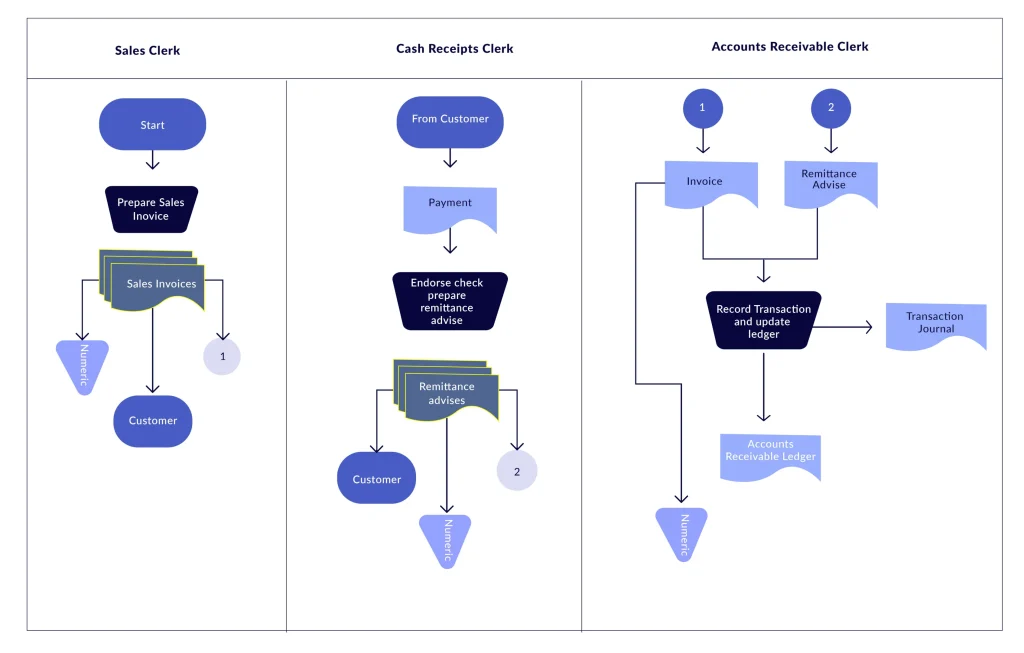
Image Source: Sloovi
Want to know the secret to outreach that actually works? It’s not a one-hit wonder or a lucky break. It’s a repeatable system.
Successful outreach isn’t something you achieve once – it’s a process you can run again and again for consistent results. Without proper documentation and constant refinement, even your best strategies will eventually fall apart. Let’s build something that lasts.
Document your outreach workflows
Random acts of outreach might occasionally succeed, but they won’t build your business. What you need are structured, repeatable patterns that transform those random efforts into a consistent engine of success.
According to outreach experts, there are four key components you should document in your workflows: finding the right prospect, choosing the right playbook, taking action, and managing the results.
I’ve found that mapping each step with crystal-clear actions and milestones makes a huge difference. This gives your team the confidence to navigate the pipeline and stay focused on what actually matters. Your documentation should include:
- Specific scripts and templates for different scenarios
- Decision trees for handling common objections
- Guidelines for follow-up timing and frequency
- Clear handoff procedures between team members
Don’t make the mistake I see so many companies make – ignoring input from the people who talk to customers every day. Your sales reps who directly interact with customers can provide insights worth their weight in gold. Get them involved in creating and updating your playbooks.
Test and refine based on performance
Your outreach system isn’t carved in stone – it’s a living thing that needs constant attention. Keep a close eye on open and response rates, these are the bread and butter metrics that tell you if your outreach is working. For cold emails, aim for open rates around 20-40% and response rates between 2-5%.
A/B testing different messages isn’t just for marketing teams – it’s essential for outreach too. Try two slightly different versions of the same outreach and track which performs better. This data-driven approach helps you make adjustments based on actual results rather than just guessing what might work.
I once improved my response rates by 15% just by testing two different subject lines. The difference was subtle, but the impact was huge.
Train your team to stay consistent
Even the most brilliant outreach strategy crashes and burns without proper execution. Training your staff isn’t optional, they need to understand how to use your engagement platforms effectively, follow your established workflows, and know when to apply their own judgment.
Give your team best practices, FAQs, and clear guidelines so your communication stays consistent across all customer touchpoints. At the same time, help them balance automation with personal touches by teaching them to recognize situations where the human element makes all the difference.
Your training can’t be a one-and-done thing either. Continuously update your programs to reflect new technologies, customer feedback, and emerging best practices. This keeps your outreach efforts responsive to changing conditions while maintaining the consistency that builds trust.
Remember, a documented system isn’t about turning your team into robots. It’s about freeing them from reinventing the wheel so they can focus on what humans do best – making genuine connections.
Wrap up: What makes outreach work in 2025
Let’s be real – effective customer outreach isn’t about fancy templates or random touchpoints anymore.
I’ve found that success comes down to three things: building genuine connections through personalized messages, choosing the right channels strategically, and creating systematic processes that scale without losing that human touch.
You don’t need to chase every shiny new outreach trend that pops up. Instead, focus on building a rock-solid foundation with clear goals and detailed customer profiles. Sure, automation helps with those repetitive tasks (and saves your sanity), but remember that human interaction is still the secret sauce for building relationships that last.
When you document your processes carefully and refine them continuously, something magical happens. Your outreach strategy transforms from scattered, hit-or-miss efforts into a reliable system that generates consistent results.
So, are you ready to transform your outreach strategy? This 2025 approach could be exactly what you need to break through the noise and actually connect with your prospects. Let me know which tactic you’d try first – I’m curious! We’re at GrowLeads.in if you’d like some help getting started.
FAQs
Q1. How can I improve my customer outreach strategy in 2025?
To improve your customer outreach strategy in 2025, focus on defining clear goals, building detailed customer profiles, personalizing your messages, choosing the right communication channels, and using automation tools wisely. Continuously test and refine your approach based on performance metrics.
Q2. What are the most effective channels for B2B outreach in 2025?
The most effective B2B outreach channels in 2025 include email, LinkedIn, phone calls, and direct mail. Email remains foundational, LinkedIn offers high response rates, phone calls work well for senior executives, and direct mail can stand out in the digital landscape. The key is to use a multi-channel approach tailored to your audience’s preferences.
Q3. How can I personalize my outreach messages without sounding generic?
Personalize your outreach by referencing specific company achievements, mentioning industry-relevant pain points, acknowledging mutual connections, and timing your outreach based on when prospects are most likely to respond. Focus on providing value and addressing the prospect’s unique situation rather than using generic templates.
Q4. What role does AI play in customer outreach strategies?
AI plays a crucial role in modern outreach by helping prioritize high-intent leads, automating follow-ups with personalization, and analyzing vast amounts of data to identify promising prospects. It can handle repetitive tasks, allowing your team to focus on meaningful conversations where human interaction is most valuable.
Q5. How often should I follow up with prospects in my outreach campaigns?
The frequency of follow-ups should be based on your specific audience and their engagement patterns. Instead of arbitrary timeframes, consider scheduling follow-ups based on specific events or triggers, such as after a free trial expiration. Use analytics to track which follow-up patterns generate the best conversion rates and adjust your strategy accordingly.

Builds the demand intelligence, automation, and deliverability systems behind Growleads pipeline.