Why Sales Management Software Could Be Your Best Growth Lever in 2026
 Companies that have dedicated sales enablement teams win 49% more of their forecasted deals. This remarkable edge explains why our sales management software guide has become vital for companies looking ahead to 2025.
The sales enablement world continues to evolve faster than ever. The SaaS market stands at $197 billion now and experts predict it will reach $299 billion by 2025. On top of that, it turns out 87% of buyers check social media before making purchase decisions, which has changed how sales teams perform. Social selling creates 45% more opportunities than old-school channels and leads to deals that are 48% larger.
Companies now leave behind their standalone CRMs and spreadsheets to adopt integrated sales management software. This change goes beyond keeping up with trends – it’s about using technology that brings measurable results. AI-driven insights will soon power predictive territory planning and live seller capacity management to streamline planning cycles and boost team results.
The right sales management tools can become your biggest growth driver in 2025. These tools help your team adapt quickly, work together effectively, and deliver outstanding results in a competitive sales enablement landscape.
The shift from traditional sales tools to intelligent platforms
Sales teams face clear limitations with traditional tools as they grow their operations. Teams that manage leads with spreadsheets get stuck in workflows where follow-ups get lost. Leads slip through the cracks and waste valuable resources, setting teams up to fail. This inefficiency affects your bottom line directly.
Why spreadsheets and CRMs are no longer enough
Traditional CRM systems were built as data storage solutions rather than relationship management tools. They store simple customer information like names and transaction history in centralized databases well. Yet they struggle to analyze trends or give useful insights without manual work.
The biggest problems with spreadsheets and simple CRMs include:
- Data fragmentation: Lead management in multiple programs scatters information and makes detailed customer views impossible.
- Manual data entry: These systems need constant manual updates that force sales teams to handle administrative tasks instead of selling.
- Limited collaboration: Team members passing spreadsheets create version control problems that cause inconsistencies.
- Security vulnerabilities: Spreadsheets shared and opened easily create security risks, especially when employees leave your company.
Competition in markets of all types makes a simple CRM essential to stay ahead. Traditional approaches that only analyze past data without predictions cannot meet modern sales needs.
The rise of integrated sales management software
Modern sales software has grown beyond simple data tracking into detailed platforms that unite typically disconnected systems. These smart platforms connect marketing, sales, and customer service functions to help employees share vital information and work together.
Today’s integrated solutions know how to sync data from multiple sources and create unprecedented collective intelligence. These platforms create smart connections between different information sources to generate useful insights instead of just centralizing data.
Cognitive automation marks major progress in sales process optimization. This approach brings true intelligence to sales workflows through advanced analytics, artificial intelligence, and machine learning. Sales management software can now predict staffing needs and spot weak signals and complex behavior patterns that humans might miss.
AI has grown from co-pilots to agents. Future sales strategies will see AI agents handling tasks in sequence. They will identify ideal prospects, target companies, find contacts, and personalize outreach across channels. This change simplifies manual processes and lets sales teams focus on valuable interactions.
Modern platforms keep your team connected and productive whatever their location. They give detailed analytics about every step of your sales process, from lead generation to follow-ups and conversions. These metrics help test different strategies and turn your sales into a data-backed scientific process.
By 2025, customer expectations will change faster, making digital sales transformation through integrated platforms essential for survival in complex sales environments.
AI and automation: the new engine of sales performance
AI doesn’t just change sales, it completely rewrites how teams work and exceed their targets. Sales teams using AI-powered management platforms see remarkable results through data-based forecasts and automation. Research shows 83% of sales teams using AI report revenue growth compared to just 66% of teams without AI.
Predictive planning and territory design
Teams often struggle with territory planning because they work with scattered data and tools. This creates manual processes that compromise analytical quality. AI-powered predictive planning solves this core problem by adding sophisticated insights to territory design.
Anaplan’s Predictive Territory Planning solution shows AI’s impact by mapping potential sales territories through multiple factors like geography, industry, and product lines. The system creates balanced territory plans based on past data, market information, and buyer behavior predictions.
Sales organizations can respond quickly to market changes with advanced territory management. Sales leaders can now:
- Analyze accounts using AI-enriched data including company growth trends, partnerships, and buyer intent
- Optimize territories for balanced workloads and maximum revenue potential
- Identify underserved markets with high-ROI prospects
Real-time quota and capacity management
Quota management has evolved from yearly planning to a live, evidence-based process. Bridge Group research reveals successful B2B sales teams maintain capacity utilization between 65% and 75%. Higher rates cause burnout while lower rates waste resources.
AI boosts quota planning by helping leaders set fair yet ambitious targets based on solid data. Teams using AI are 2.4x less likely to feel overworked, which reduces turnover and improves performance.
AI-powered capacity planning calculates key metrics automatically. Organizations can optimize their coverage models using both historical performance data and predicted buyer behavior. Companies can balance workloads effectively while keeping enough resources to capture market opportunities.
Many platforms now show live quota attainment and capacity utilization. This helps teams adjust quickly when business goals or market conditions shift. Sales organizations can seize new opportunities without disrupting productivity.
Agentic AI and autonomous sales actions
Agentic AI represents the biggest breakthrough in sales technology. These autonomous software systems can handle complex tasks without human oversight. This marks a revolutionary move from AI as a helper to an active participant in selling.
Autonomous agents work through advanced technologies like machine learning, natural language processing, and live data analysis. These systems find leads, advance them through the pipeline, schedule meetings, and answer product questions 24/7.
Gartner predicts by 2028, 15% of day-to-day work decisions will happen autonomously through agentic AI, up from 0% in 2024. This trend reshapes how sales teams operate:
- SDR agents autonomously answer customer questions and book meetings
- AI analyzes customer interactions to extract sentiment and determine next steps
- Autonomous systems identify high-value leads and personalize outreach
Sales teams using these technologies see major productivity gains. Gong’s research shows deals following AI-recommended actions had 50% higher win rates. Sellers who used AI insights saw their win rates climb by 26%.
The future of sales enablement will rely more on these intelligent systems handling routine tasks. This lets human sellers focus on building relationships and making strategic decisions.
Agile sales planning: adapting faster in 2025
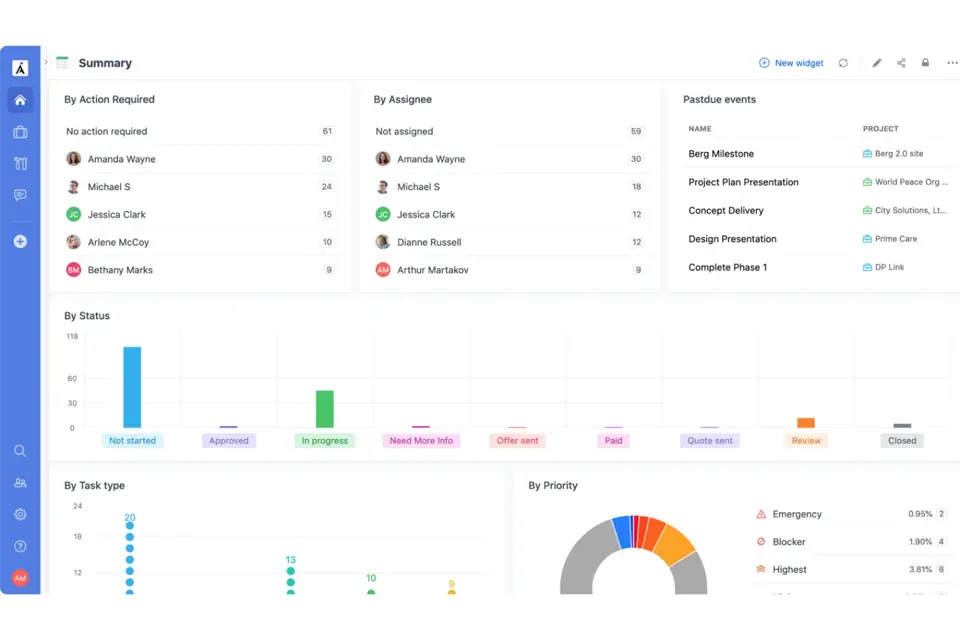
Image Source: The Digital Project Manager
Agility has become crucial for survival in today’s fast-changing business landscape. McKinsey’s 2023 B2B Sales Pulse Survey shows 71% of sales leaders struggle with market unpredictability. Yet 65% can’t adapt their plans fast enough to keep up with changes. This gap shows why traditional yearly planning cycles won’t work in 2025’s ever-changing sales environment.
From annual plans to real-time pivots
Yearly sales planning cycles quickly become outdated. Agile sales methods borrowed from software development work differently. Teams organize work into “sprints” that last one to two weeks with clear objectives. Each sprint starts with planning sessions where teams break down goals into specific tasks.
This flexible approach offers key benefits. Breaking down yearly plans into shorter goals helps teams:
- Adjust strategies based on live feedback
- React better to customer needs
- Move resources quickly to promising opportunities
Bain & Company’s research proves that sales teams using agile methods grow revenue 2.7x faster than others. Deloitte’s Future of Work study reveals that 47% of companies with fractional executives adapt faster to market changes compared to traditional leadership models.
Modern sales management software makes these quick changes easier. Forrester’s Sales Leadership Study shows 78% of companies still use inflexible yearly planning. Smart companies have already moved away from these rigid models.
Using data to respond to market changes
Continuous data analysis powers agile sales planning. Teams that don’t use reliable data rely on guesswork and risk missing opportunities. Good data integration lets teams:
- Find struggling territories or accounts that need attention now
- Notice emerging market trends that need strategy changes
- Create realistic yet ambitious sales targets based on current conditions
Successful teams review their results after each sprint. They talk about achieved goals and missed targets. This feedback helps sales teams learn and improve with each new sprint.
Modern customers just need two things: speed and personalization. They want quick information access and products that fit their specific needs. Sales management software that combines data from all departments creates a single source of truth. Teams can respond faster to these changing expectations.
Sales organizations that accept this agile mindset will thrive by 2025. They’ll constantly review performance data and make informed adjustments. Their sales strategy will evolve like a living document instead of a yearly exercise. This approach will improve customer experiences and stimulate growth in an increasingly competitive sales enablement market.
Sales management software as a strategic growth lever
Sales management software works as more than just an operational tool. It acts as a strategic growth lever that directly affects your company’s bottom line. Your business could lose money from mismanaged leads – companies lose at least $1 trillion annually. The right software solution can improve business outcomes through better organization and focus.
Business outcomes and sales goals working together
The right software creates harmony between individual rep activities and broader company objectives. Teams move with unified purpose toward collective success when sales goals support organizational targets. The right platform lets you track sales activities that substantially contribute to business goals. This allows you to reward these behaviors appropriately.
Successful organizations understand this connection. Companies with well-structured sales processes show 2.7x better revenue growth than their competitors. Modern platforms do more than track deals. They help identify which activities produce results, letting leaders create compensation plans that reward growth-generating behaviors.
Building the case for C-suite investment
Your pitch for sales management software investment should highlight concrete ROI figures:
- Every dollar invested in CRM systems returns $8.71 in sales revenue, according to Nucleus Research
- Companies using sales management tools see 20-30% business growth through increased productivity
- Here’s a real example: a $195 investment generated $9,705 profit, a 4,980% return
Your business case should speak the language of executives. Before presenting, identify your leadership team’s priority metrics, whether it’s evaluating strategic performance, streamlining resource allocation, or increasing accountability.
Measuring ROI and performance
Effective measurement starts with identifying KPIs that show your sales management software’s business impact. These key metrics include:
- Sales volume and revenue growth
- Customer acquisition costs and lifetime value
- Lead-to-sale conversion rates
- Time split between administrative tasks and selling
- Net promoter score and customer retention
Note that sales management software should serve as your “sales headquarters.” It gives instant visibility into pipeline status, team productivity, and action priorities. This strategic approach transforms sales management software from just another tool into your most powerful growth lever for 2025.
Breaking silos: enabling cross-functional collaboration
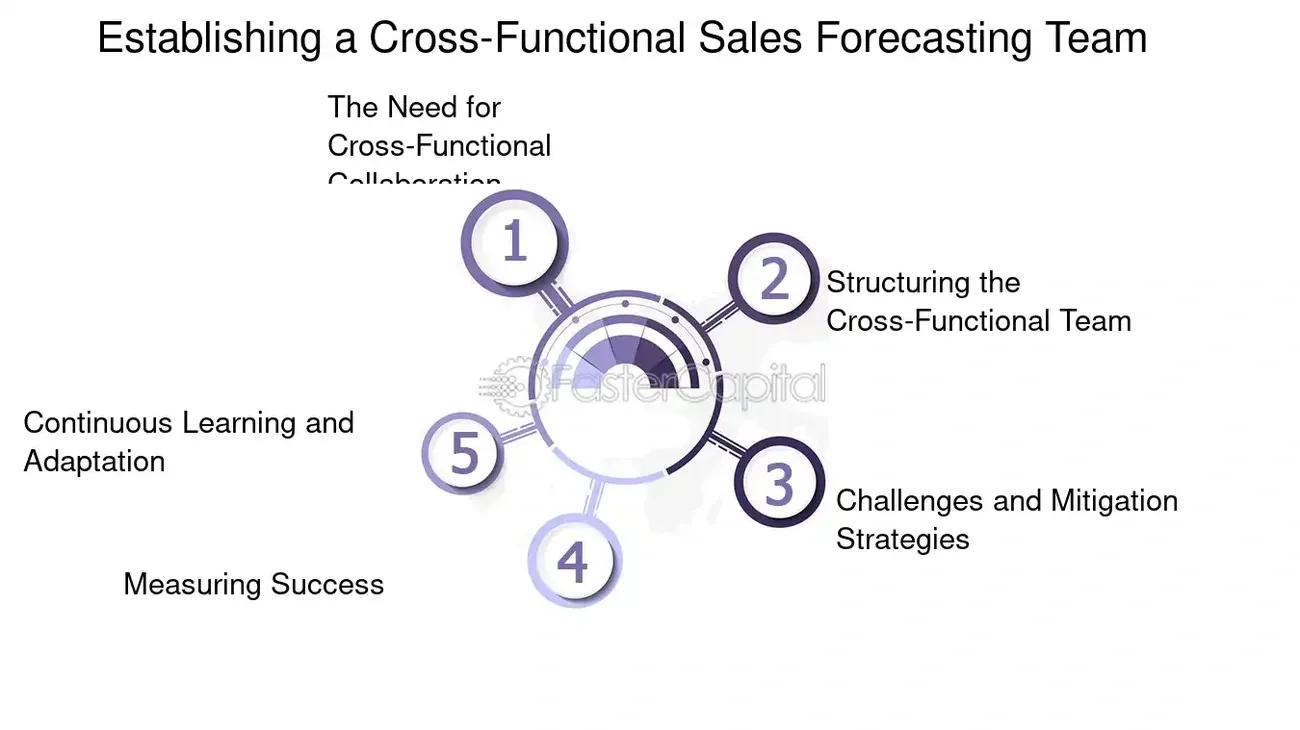
Image Source: FasterCapital
Modern sales success relies heavily on cross-functional collaboration. Departments used to work separately. The disconnect between sales, marketing, and customer success teams now costs businesses more than missed opportunities, it directly reduces revenue.
Connecting sales, marketing, and customer success
Experts call the partnership between customer-facing teams the “power trio”. Teams that work together help buyers make informed decisions and purchase faster through consistent interactions. Several benefits emerge when departments break down barriers and work together:
- Sales gives marketing direct customer feedback about message effectiveness
- Customer success shows sales new product use cases to improve demonstrations
- Marketing creates materials that speed up deal closures
The collaboration ensures everyone follows the same approach. Regular bi-weekly account reviews with all customer-facing teams build consistent expectations.
Unified data for seamless handoffs
Teams need integrated systems to collaborate well. Research shows 62% of companies have different definitions of qualified leads between sales and marketing. This mismatch makes customer engagement less efficient.
A single source of truth comes from sales management software. Platforms like Demandbase combine data across sales and marketing tools to share insights and centralize workflows. This unified system removes information barriers and creates clear handoff protocols between teams.
Companies should standardize their definitions of marketing qualified leads (MQLs) and sales qualified leads (SQLs). Clear criteria must exist for lead transfers between departments. Customers might stay too long in marketing sequences or reach sales prematurely without these guidelines.
Boosting seller productivity through alignment
Better teamwork boosts productivity by reducing administrative work and making workflows smoother. Mekari’s solutions showcase this by connecting sales with finance, HR, and operations. This integration ensures automated processes from beginning to end.
Sales teams spend less time updating status and attending handover meetings in this environment. The alignment also helps close deals faster through multi-threading, reaching different stakeholders across buyer organizations. This approach ensures complete coverage of decision-makers.
Good alignment makes everyone responsible for customer outcomes. This fundamental change surpasses strategy and builds the foundation for lasting growth in today’s complex sales world.
Conclusion
Sales management software will be the critical growth lever for forward-thinking organizations by 2025. This guide shows how integrated, intelligent platforms have replaced traditional approaches to transform sales operations. Teams once struggled with spreadsheets and basic CRMs with major limitations. Now, complete sales management solutions create unprecedented growth opportunities.
AI and automation represent the most powerful developments in this space. The move from AI as assistant to AI as agent lets systems handle complex tasks autonomously. Human sellers can focus on building relationships and making strategic decisions. Companies using these technologies report win rates up to 50% higher when they follow AI-recommended actions.
Modern organizations need agile sales methodologies instead of rigid annual planning to adapt to market changes quickly. Companies with high sales agility grow revenue 2.7x faster than their peers in today’s unpredictable business world. Modern sales management platforms enable these quick adjustments through continuous data analysis and regular feedback.
The numbers tell a compelling story. Each dollar invested in effective sales management systems generates $8.71 in sales revenue. This remarkable return makes executive-level investment logical, especially with productivity gains driving 20-30% business growth.
Sales management software connects sales, marketing, and customer success through unified data systems. This breaks down departmental barriers and creates consistent customer experiences. Seller productivity increases through efficient processes and fewer administrative tasks.
The software has grown from a simple operational tool into an essential strategic asset. Organizations using these integrated platforms will thrive in the complex and competitive sales environments of 2025 and beyond.
Unlock your sales potential with our guide at GrowLeads.io today!
FAQs
Q1. How will sales management software evolve by 2025?
By 2025, sales management software will integrate AI and automation, enabling predictive planning, real-time quota management, and autonomous sales actions. These platforms will facilitate agile sales strategies, allowing teams to adapt quickly to market changes and improve cross-functional collaboration.
Q2. What are the key benefits of investing in modern sales management software?
Modern sales management software offers significant ROI, with every dollar invested potentially returning $8.71 in sales revenue. It aligns sales goals with business outcomes, improves productivity, and enables data-driven decision-making. Additionally, it breaks down silos between departments, enhancing overall organizational efficiency.
Q3. How does AI impact sales performance in modern platforms?
AI in sales management software dramatically improves performance by enabling predictive planning, optimizing territory design, and managing quotas in real-time. Teams using AI-recommended actions have reported up to 50% increase in win rates, demonstrating its significant impact on sales effectiveness.
Q4. Why is agile sales planning important for businesses in 2025?
Agile sales planning is crucial in 2025 due to increasing market unpredictability. It allows organizations to pivot quickly, respond to market shifts, and continuously improve strategies based on real-time data. Companies with high sales agility outperform peers by 2.7x in revenue growth.
Q5. How does sales management software facilitate cross-functional collaboration?
Sales management software creates a unified data system that connects sales, marketing, and customer success teams. This integration ensures consistent customer experiences, streamlines workflows, and enables seamless handoffs between departments. It also provides shared insights and centralizes workflows, boosting overall productivity and effectiveness.

Runs the sales process, lead qualification, and client delivery that turn signals into qualified meetings.