
Fix Top PPC Budget Mistakes for Better ROI

LinkedIn generates 80% of B2B social media leads – a remarkable stat. Even PPC veterans can make mistakes that get pricey and miss these valuable opportunities.
Many campaigns don’t reach their full potential. The reason isn’t lack of effort, it’s the common PPC budget mistake that often goes unnoticed. Your ROI takes a hit when campaign goals don’t line up or when you miss key data signals.
This piece will help you spot and fix the most common PPC budget mistake that even experienced marketers make. These tips will boost your performance whether you manage Google Ads or run campaigns on multiple platforms.
Want better PPC results? Let’s take a closer look at these specific mistakes and how to solve them.
Strategist-Level Mistakes in Planning
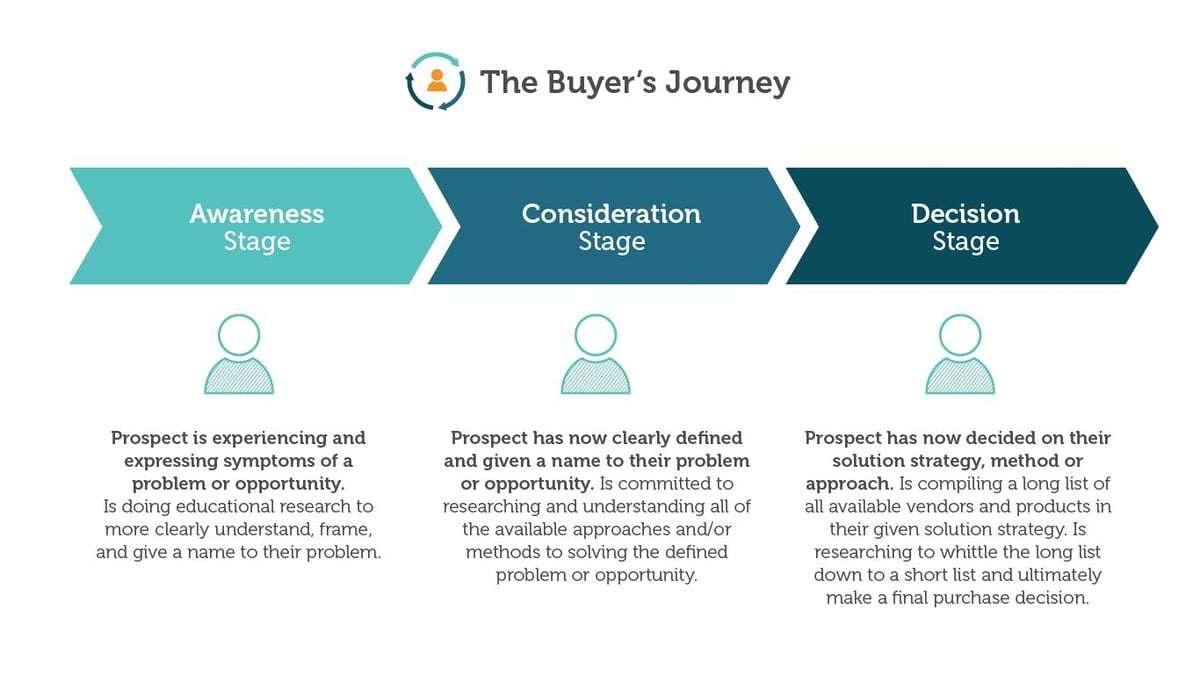
PPC campaigns often fail at the strategy level before a single ad launches. Even with talented teams and good budgets, many organizations make basic planning errors that hurt campaign performance right from the start. Let’s get into two major strategist-level mistakes that experienced professionals often make.
Not lining up PPC Budget goals with business objectives
PPC management falls short when specialists get caught up in daily tasks and miss the bigger picture. I’ve seen many campaigns that look great on paper but don’t deliver real business results.
Why does this disconnect happen?
Agencies might promise to “improve campaign performance” without asking how the client measures success. Sales teams in early talks often lack PPC knowledge, which creates a gap between what’s expected and what’s delivered. Campaign managers end up chasing metrics that don’t help the business grow.
To line things up properly:
- Put business objectives at the heart of your campaign strategy and roadmap
- Find the biggest PPC opportunities that fit these priorities
- Study your audience and pick channels that will get results for each priority
- Set clear, measurable goals that support what the business needs
It’s worth mentioning that PPC goals should help company objectives like building brand awareness or driving conversions. Without this connection, you’ll waste money on campaigns that show nice numbers but don’t move the needle.
Overlooking competitor research
PPC professionals make another big mistake when they skip a full competitor analysis. In today’s competitive digital ad world, knowing what others do in your space makes a huge difference.
What happens when you skip competitor research?
Your competitors might use tactics you haven’t thought of or even copy your brand to steal your audience. Without these insights, you’ll miss opportunities and waste resources in crowded spaces where others already lead.
A solid PPC competitor analysis should look at:
- Keywords: Find which keywords competitors target and how well they work
- Ad copy and messaging: Study their selling points, emotional triggers, and calls-to-action
- Landing pages: Look at design, content elements, and conversion strategies
- Budget allocation: See how competitors spread their ad spend
This research shows not just what competitors do well but where they miss the mark. You might find keywords they’ve missed or audiences they’ve ignored. These gaps help you position your campaigns in unique ways.
Don’t just focus on direct competitors. Look at businesses selling similar products in your market. Use specialized PPC research tools to gather data quickly and efficiently.
The goal isn’t to copy others but to learn from their wins and losses to build your own effective PPC strategy. Good competitor research gives you insights that lead to smarter decisions and new ideas in your campaigns.
Copywriter Pitfalls in Ad Messaging
Even the best copywriters make critical mistakes when they create PPC ad messages. Your campaign strategy might be perfect, but your ad copy decides if users click through or scroll past. Let’s get into two common copywriting pitfalls that hurt campaign performance.
Using unclear calls-to-action
A compelling PPC ad must answer the significant “so what?” question with a clear call-to-action (CTA). Users tend to wander, or worse, leave when they don’t get proper direction. The numbers tell an interesting story: 70% of small business B2B sites lack CTAs. This leaves potential buyers without clear next steps.
What makes a CTA fail? Vague statements like “Buy Now” or “Learn More” don’t communicate specific value. Here are better alternatives:
Instead of: “Buy Now and Save”
Try: “Save $125 Off Your First Order”
Instead of: “Learn More”
Try: “Book a 30-Minute Call Today”
Specific CTAs turn passive readers into active converters by helping prospects picture themselves taking action.
Your CTAs will work better if you:
- Use actionable language that shows the next step
- Add the right amount of urgency without hype
- Put your CTA where it stands out (usually at the end)
- Match your landing pages to your CTA’s promise
One ad should focus on a single action. Different audiences need different CTAs, but mixing goals in the same campaign makes budget optimization tricky. Display ads work better with custom CTA buttons instead of Google’s default options, which might confuse users if they don’t match your ad text.
Ignoring emotional triggers in copy
Logic rarely closes a sale. Emotions drive decisions, yet PPC industry’s approach remains mechanical, cold, and calculated. The numbers back this up, a study of 1,400 successful ad campaigns showed emotional content performed almost twice as well (31% vs. 16%) compared to non-emotive content.
Emotional triggers shape behavior by bypassing our rational brain and tapping into the subconscious where decisions happen. Both positive and negative emotions can motivate action effectively, sometimes a tiny doubt is enough to spark action.
Here’s how to use emotional triggers:
- Know your audience’s drivers: What worries keep them awake? What excites them?
- Pick the right emotions: Learn which feelings will get the response you need
- Use emotional words: Add terms that spark specific feelings (like “exciting,” “fearless,” or “joyful”)
- Share stories: Build emotional connections through brief narratives
- Run tests: Compare different emotional approaches to see what appeals most
Note that emotional appeals shouldn’t compromise technical SEO elements like keywords and CTAs. The goal isn’t to make customers cry but to create connections that drive clicks and conversions.
Your ad copy should address hidden pain points or offer hope through possibilities. Adding emotions to your copy boosts engagement and conversion rates. People buy on emotion first and justify with logic later, so highlight the emotional benefit before listing features.
Analyst Errors in Data Interpretation
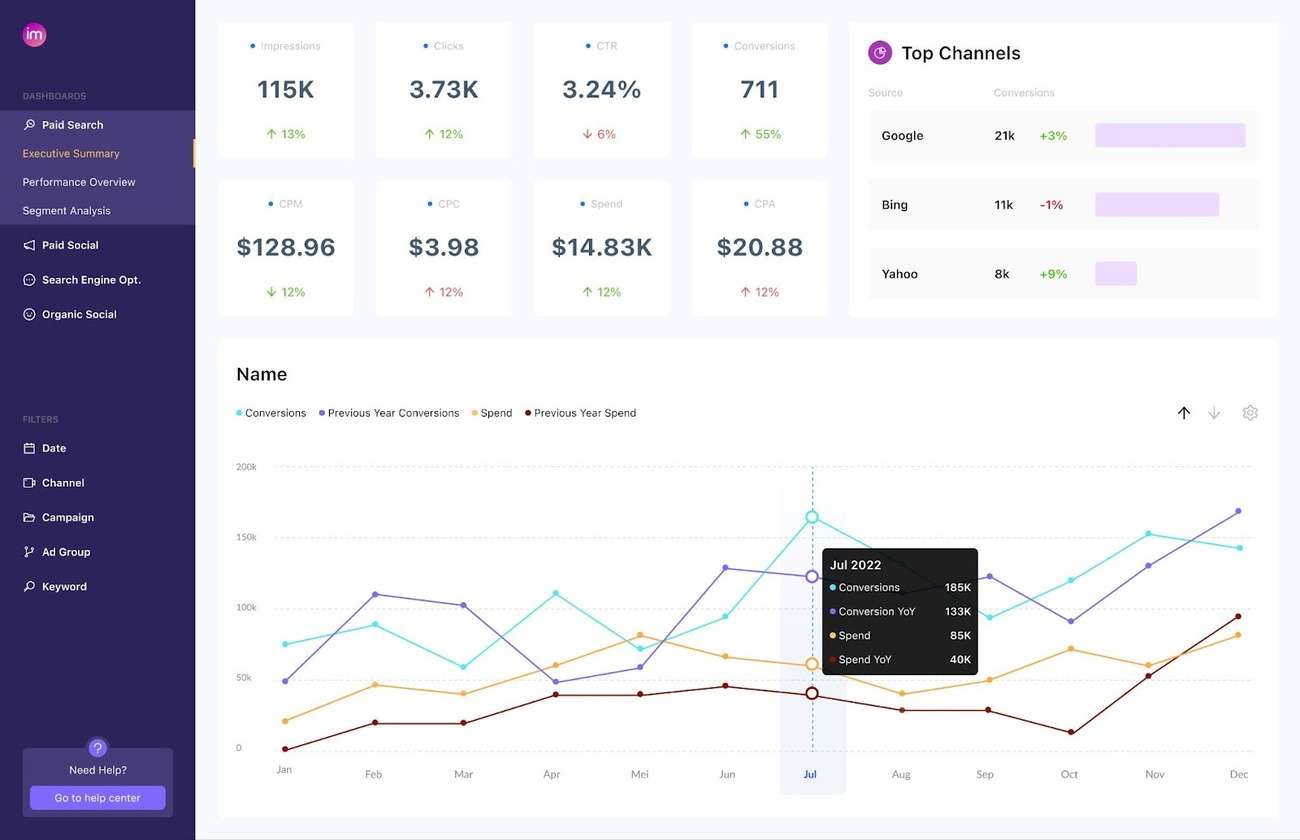
PPC campaigns succeed based on strategy, creative, and accurate data interpretation. Research shows marketers face challenges with attribution, and studies reveal attribution models can be up to 80% inaccurate without machine learning implementation. This analytical gap disconnects campaign activities from business outcomes.
Focusing on vanity metrics over ROI
Reports often mask poor campaign performance with impressive-looking numbers. Even experienced analysts fall prey to vanity metrics – measurements that create false positives without showing real success.
Total impressions or high click-through rates might look great in presentations. These numbers don’t always translate to conversions or actual business results. A high CTR shows well-crafted ad copy but tells nothing about lead generation or sales.
Marketing directors waste budgets without linking PPC metrics to business goals. Your campaign analysis must arrange metrics with broader objectives:
- Lead generation needs cost per lead and lead quality focus
- eCommerce requires ROAS (Return on Ad Spend) and average order value priority
One expert puts it simply: “The ultimate source of truth will be money in your pocket”. You’re working blind without clarity between marketing spend and revenue.
Misreading attribution paths
Attribution models split conversion credit across customer experience touchpoints. Most marketers rely on basic “last click” data that credits only the final click-producing activity.
Last-click attribution overlooks what first brought customers to you. This approach gives all credit to the final touchpoint and ignores earlier interactions’ value.
Picture this: A customer sees your display ads, checks social networks, clicks a paid search ad, views another display ad, finds you through organic search, and converts through direct traffic. Last-click attribution credits only that final direct visit, which distorts channel performance.
This flawed attribution creates risks. Desktop Google Ads might seem ineffective when they actually work well. You could end up pausing campaigns, ad groups, or ad sets that help conversions but lack proper credit.
The customer’s path spans 1-90 days across multiple touchpoints. Your optimization choices will target wrong channels and waste marketing budget without this detailed view.
Technical Oversights by Account Managers
PPC campaign success depends on paying close attention to details. Even seasoned account managers make small technical mistakes that quietly eat away at budgets and hurt performance.
Forgetting to update ad schedules
Poor campaign performance often stems from neglected ad schedules. These schedules help you run campaigns during specific days and hours. This saves money by showing ads only when they work best. Many professionals set these schedules once and never look at them again.
Your ad schedules need monthly reviews because audience behaviors and market trends keep changing. Without regular checks, ads might run at the wrong times and waste your budget on hours that don’t convert well.
Time zone settings create big problems in Google Ads because schedules default to your account’s time zone. You can’t change this time zone once it’s set, which means your ads might not match your audience’s active hours. Microsoft Ads handles this better by adjusting to the viewer’s time zone. It also lets you change schedules for both campaigns and ad groups.
The solution? Look at past performance data before you create schedules. Check day and hour sections to find when performance peaks, then build your schedule based on these insights.
Not using automated rules or scripts
Managing every part of complex PPC campaigns by hand takes too much time and leads to mistakes. Many managers still avoid automation tools that could make their campaigns work better.
Google Ads automated rules work like helpful assistants that watch your campaigns and make changes based on rules you set. Scripts, JavaScript codes that run specific functions, take automation even further by handling particular campaign tasks.
Simple automated rules quickly show their value:
- Pausing underperforming ads automatically
- Adjusting bids during peak conversion periods
- Controlling daily spending to prevent budget overruns
- Generating performance reports without manual data exports
Automation shouldn’t mean you just set it up and walk away. You need regular performance reviews to spot areas for improvement and fine-tune your automation settings. Start by automating one or two things like bid management. You can add more automation as you get comfortable with these tools and understand what they can do.
Team-Wide Gaps in Optimization Habits
PPC campaigns thrive on consistent team habits that are the foundations of continuous improvement. Many teams develop predictable patterns of neglect that slowly damage campaign performance.
Failing to run A/B tests regularly
PPC professionals say they value testing but rarely stick to consistent testing schedules. A/B testing isn’t just helpful – it provides informed decisions that eliminate guesswork and helps marketers make smarter choices. You base your marketing strategy on assumptions rather than concrete data without regular testing.
Teams often treat testing as a one-time event instead of an ongoing process. Professional teams create never-ending testing schedules to keep campaigns improving continuously. This approach is significant because markets and consumer behavior keep changing. What worked last quarter might not perform well today.
Effective A/B testing can target multiple elements:
- Ad copy variations (headlines, descriptions, CTAs)
- Visual components (colors, images, videos)
- Audience targeting (demographics, interests)
- Bidding strategies (automated vs. manual)
- Landing page elements (layouts, forms, content)
Tests need adequate runtime, typically a few weeks, to gather enough data for statistical significance. Teams often make the mistake of ending tests too early, which creates misleading results.
Neglecting to review search terms reports
Search terms report is maybe the most important tool in your PPC arsenal. Many teams check it occasionally or ignore it completely. This report shows which actual search queries triggered your ads and their performance.
Teams miss significant opportunities to refine their keyword strategy by not reviewing these reports regularly. Your budget gets wasted on irrelevant searches without this data. Regular analysis helps find unexpected consumer behavior patterns and search term variants that teach us how customers think about your products.
Your team should review search terms reports at least quarterly. Monthly or weekly reviews work better for active campaigns. Start by sorting terms by impressions to focus on high-volume queries during analysis. Look for terms that reveal customer’s priorities about color, size, location, or price. These insights can shape your keyword strategy, content development and landing page optimization.
These optimization habits need consistent team discipline but deliver excellent returns through continuous, informed campaign improvement.
How to Build a Smarter PPC Process
A structured approach that adapts to market changes makes PPC management work better. You can avoid mistakes we discussed in this piece by building a smarter process.
PPC optimization needs continuous monitoring and testing to maximize results, not just a one-time fix. The system starts with clear conversion tracking that links to business goals. Digital marketing must measure everything, and marketers should be accountable for their campaign results.
Start with a reliable testing framework. Teams can identify areas to improve through A/B testing of ad variations, landing pages, targeting options, and bidding strategies. Successful teams make testing an ongoing activity rather than a single event.
AI tools have changed how marketers work. Smart automation implementation lets you handle routine tasks like bid adjustments and keyword management. Your expertise should focus on the strategic 20% while machines manage the tactical 80%. Google Ads automated rules can:
- Pause underperforming ads automatically
- Adjust bids during peak conversion periods
- Control daily spending to prevent budget overruns
- Generate performance reports without manual data extraction
Fresh data validation matters significantly. Stale data hurts campaign performance. Data validation helps you compile, troubleshoot, and optimize feeds before submission to ensure optimal results for live campaigns.
ROAS depends on three key components that need attention:
- Cost per click (CPC)
- Conversion rate
- Average conversion value
First-party data becomes crucial as third-party data loses reliability due to privacy regulations. Better targeting comes from building detailed customer lists while staying compliant with privacy laws.
Note that campaign optimization needs experimentation, testing, data analysis, strategic thinking, and dedication to adapt to market changes. You’ll build protection against common mistakes that trip up even experienced PPC professionals by doing this and being systematic.
PPC can be tricky, even for pros. If any of these mistakes hit close to home, let’s talk through how to turn things around. At GrowLeads, we love helping businesses find smarter ways to grow. Drop us a line, and let’s explore what’s possible for your campaigns!
FAQs
Q1. What are some common PPC mistakes made by professionals?
Common PPC mistakes include not aligning campaign goals with business objectives, overlooking competitor research, using unclear calls-to-action, ignoring emotional triggers in ad copy, focusing on vanity metrics instead of ROI, and misinterpreting attribution data.
Q2. How can PPC managers improve their ad copy?
PPC managers can improve ad copy by using clear and specific calls-to-action, incorporating emotional triggers, telling a story, and testing different variations. It’s important to balance emotional appeal with technical SEO aspects like keywords.
Q3. Why is competitor research important in PPC campaigns?
Competitor research is crucial because it helps identify gaps in the market, understand successful tactics, and avoid saturated areas. It provides insights into keywords, ad copy, landing pages, and budget allocation strategies used by others in your industry.
Q4. How often should PPC teams conduct A/B tests?
PPC teams should implement ongoing A/B testing schedules rather than treating it as a one-time event. Regular testing of ad copy, visuals, audience targeting, and landing page elements helps campaigns continuously improve and adapt to changing market conditions.
Q5. What role does automation play in PPC campaign management?
Automation plays a crucial role in PPC management by handling routine tasks like bid adjustments, keyword management, and performance reporting. It allows marketers to focus on strategic decisions while machines manage tactical aspects, improving overall campaign efficiency.

Runs paid acquisition across Google, LinkedIn, and Meta for B2B pipeline.