
SEO vs. Inbound: What B2B Startups Should Prioritize

Are you a B2B startup unsure whether to prioritize SEO or inbound marketing? You’re not alone. This decision can significantly impact your growth trajectory and resource allocation. According to HubSpot’s research, SEO remains the lowest risk, highest ROI marketing channel for B2B companies. However, many startups struggle to decide where to begin.
SEO for B2B inbound marketing strategies focuses on enhancing your visibility and driving organic traffic. With 75% of users never scrolling past the first page of search results, ranking high is no longer optional – it’s critical. SEO builds trust with potential clients and positions your brand as a leader in your industry.
On the other hand, B2B inbound marketing emphasizes creating valuable content that speaks to customer needs throughout their buying journey. Rather than interrupting prospects with ads, you attract them with content they genuinely want to engage with.
From our experience, the choice between an “SEO-First” and an “Inbound-First” approach often depends on your company’s maturity and available content assets. For early-stage B2B startups with limited budgets, focusing on achievable SEO wins might yield better results than pouring resources into paid channels.
However, finding the right balance is essential. B2B SaaS companies, for example, often face complex buyer journeys and extended sales cycles, making it important to carefully consider which approach to prioritize. In this guide, we’ll help you evaluate when to prioritize SEO over inbound marketing and how combining the two strategically can provide a clearer path forward.
Defining SEO and Inbound for B2B Startups
“If you have more money than brains, you should focus on outbound marketing. If you have more brains than money, you should focus on inbound marketing.”
, Guy Kawasaki, Co-Founder of Alltop and former Chief Evangelist of Apple
B2B startups face unique challenges in the digital marketing landscape. Understanding both SEO and inbound marketing fundamentals helps you make strategic decisions about where to allocate your limited resources. Though these approaches complement each other, they serve different purposes and deliver results through distinct mechanisms.
What SEO means in a B2B context
Search Engine Optimization (SEO) for B2B companies aims to increase organic search visibility specifically for business decision-makers. Unlike consumer-focused SEO, B2B search optimization targets professionals actively seeking business solutions during work hours.
The B2B SEO landscape presents distinct challenges:
- Highly specific audiences – B2B companies typically target precise audience segments, resulting in keywords with substantially lower search volumes than consumer products
- Decision-maker focus – Rather than targeting broad demographic groups, B2B SEO aims at a small group of influencers within organizations who research solutions before purchase
- Technical complexity – Successful B2B optimization requires mastery of on-page, off-page, and technical SEO fundamentals
At its core, B2B SEO connects your website with prospects actively searching for your offerings. This strategy places your business in front of people specifically looking for services similar to yours. The searching behavior differs significantly, business buyers conduct extensive research, often using highly specific queries that signal serious purchase intent rather than casual browsing.
How inbound marketing works for B2B lead generation
Inbound marketing attracts potential customers through valuable content rather than interrupting them with traditional advertising methods. For B2B companies, this magnetic approach creates relationships with prospects by helping them solve real problems.
The inbound methodology pulls customers in through:
- Content creation – Developing blogs, ebooks, videos, and resources that address specific pain points
- Search optimization – Making content discoverable through strategic keyword targeting
- Lead nurturing – Building relationships through personalized follow-up and marketing automation
- Analytics – Measuring effectiveness and refining strategies continually
What makes inbound particularly effective is its alignment with how modern B2B buyers prefer to purchase. Research shows inbound leads cost 61% less than those generated through outbound tactics. Additionally, 80% of corporate decision-makers prefer learning about brands through articles rather than advertisements.
B2B inbound marketing delivers higher ROI specifically because it meets prospects where they are in their buyer journey, providing value before asking for commitment. This trust-building approach positions your brand as a thought leader in your industry.
Why the distinction matters for early-stage companies
For startups with limited marketing budgets, choosing between SEO-focused and inbound-focused strategies significantly impacts resource allocation and growth trajectory. Early-stage B2B companies must understand these crucial differences:
Timeframe considerations: SEO typically requires longer to show results but delivers sustainable, ongoing traffic once established. Inbound can generate leads faster through various channels beyond search.
Resource requirements: Pure SEO demands technical expertise and ongoing optimization, while comprehensive inbound marketing needs broader content creation capabilities and distribution systems.
Buyer journey alignment: B2B startups experience complex, lengthy sales cycles. SEO excels at capturing high-intent searches, whereas inbound marketing shines at nurturing relationships throughout extended decision processes.
The distinction becomes especially important because early-stage companies face the pressure of demonstrating traction quickly while building sustainable acquisition channels. Understanding which approach aligns with your immediate business objectives helps prevent costly strategic missteps.
By properly differentiating between these complementary strategies, you can make informed decisions about where to invest your limited marketing resources for maximum impact. This strategic clarity prevents the common pitfall of spreading resources too thin across multiple approaches without achieving meaningful results in any.
Mapping SEO and Inbound to the B2B Funnel
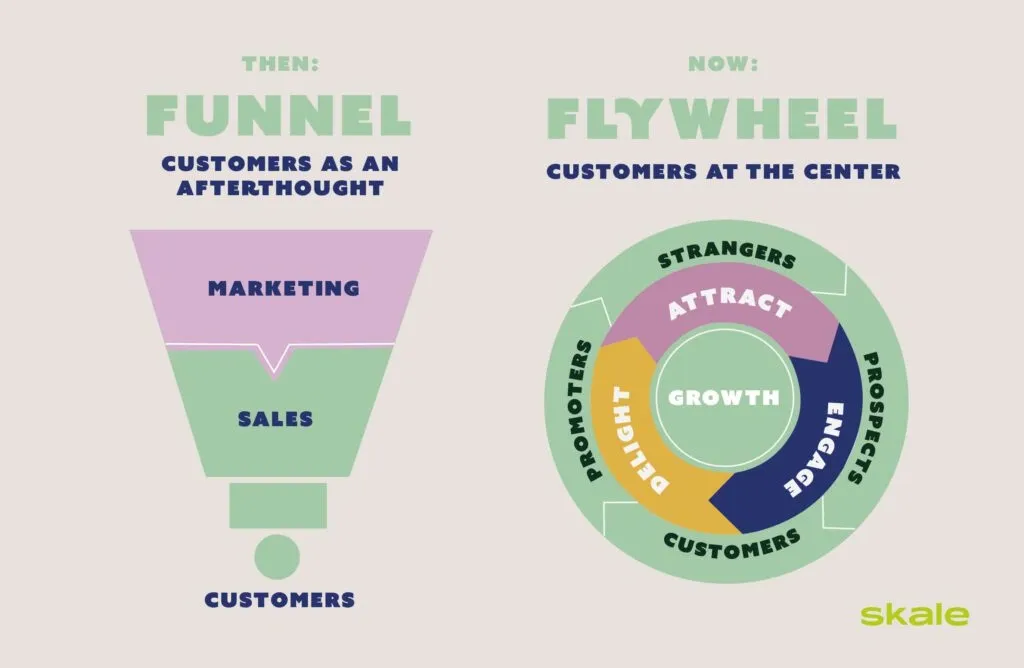
Want to get the most out of your marketing budget? Understanding how SEO and inbound tactics work at different stages of your sales funnel is crucial.
Both approaches contribute uniquely to your customer acquisition strategy, but knowing where each shines brightest helps you allocate resources more effectively. Let’s break down how these strategies map to your B2B funnel.
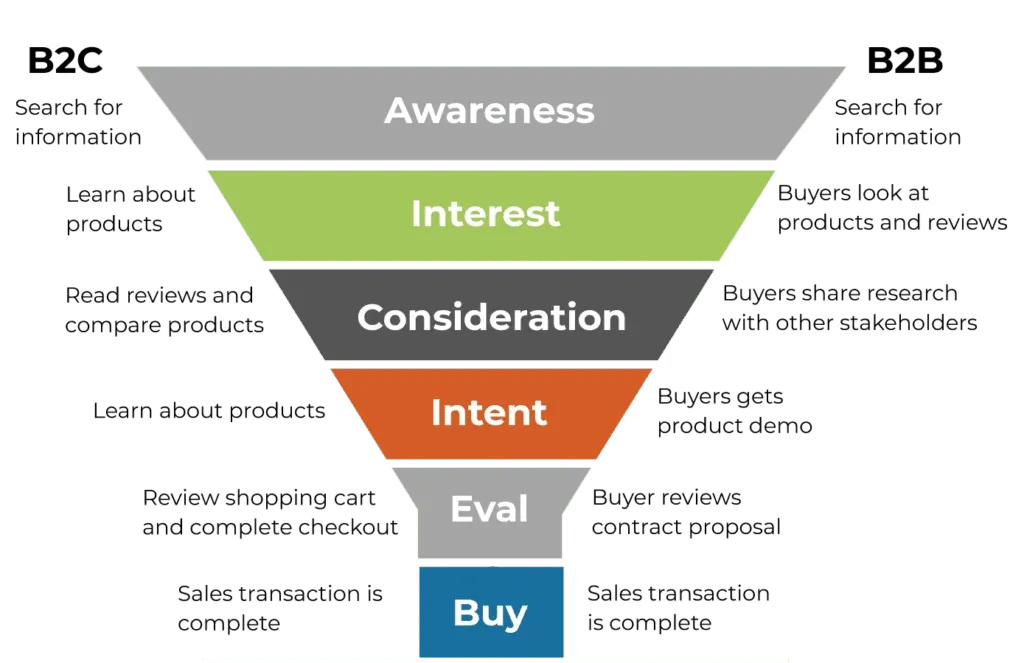
Top of Funnel: Awareness through content and search
At the awareness stage, your potential customers know they have a problem but haven’t started looking for specific solutions yet. They’re turning to Google for answers. In fact, 72% of B2B buyers begin their journeys with generic Google searches. This creates perfect opportunities for both SEO and inbound tactics.
Top-of-funnel (TOFU) content isn’t about selling, it’s about building brand awareness. You’re creating resources that showcase your expertise without pushing products. Research shows that 27% of B2B buyers research independently online before considering purchases.
For your startup, effective TOFU content might include:
- Educational blog posts explaining fundamental concepts
- Thought leadership articles addressing industry challenges
- Social media content showcasing brand personality
- Podcast episodes featuring industry discussions
Despite targeting broader terms with higher search volume, content marketing is most effective at the top of the funnel (64%) compared to middle (54%) or bottom (53%) stages. This makes sense, you’re meeting prospects exactly where they are: problem-aware but not yet solution-focused.
Middle of Funnel: Nurturing leads with inbound assets
Once prospects understand their problems and start exploring solutions, they enter the consideration stage. This is where middle-of-funnel (MOFU) content shines by guiding prospects toward decision-making, especially those who know about your brand but aren’t ready to buy.
The middle funnel requires collaboration between your marketing and sales teams. Well-crafted MOFU assets ensure leads don’t fall through cracks in your process. Focus on deeper engagement through:
- Webinars addressing specific industry challenges
- Case studies demonstrating successful implementations
- Whitepapers and eBooks providing comprehensive solutions
- Comparison guides evaluating different approaches
Since the modern B2B buying process typically involves between 6-10 decision-makers, your middle-funnel content needs to address various stakeholder concerns. Many of these individuals may have never heard of your company, making educational content vital for building consensus.
The best MOFU content builds trust without pushing hard sales. In fact, 65% of buyers claim B2B content is more effective when it’s not trying to sell to readers. Instead, focus on thought leadership and industry insights that naturally position your solution as the right choice.
Bottom of Funnel: Converting with intent-driven SEO pages
Now we’re at the decision stage, where prospects are ready to make purchasing choices. Bottom-of-funnel (BOFU) SEO targets high-intent keywords that signal purchase readiness. According to Ahrefs research, keywords with commercial intent have conversion rates 10x higher than informational keywords.
SEMrush research confirms these high-intent keywords typically deliver 2-3x higher conversion rates despite having lower search volume. For your resource-constrained startup, this makes them incredibly valuable.
Your high-converting BOFU content should target keywords that signal strong commercial intent:
- Solution-seeking terms (“platform,” “software,” “system”)
- Comparison phrases (“alternatives,” “vs,” “best”)
- Purchase-intent words (“pricing,” “cost,” “ROI”)
The results can be impressive. One identity protection company achieved a 9% conversion rate directly from organic search with their “alternatives” page. Another B2B company’s content on “The 7 best B2B appointment setting companies” secured 19 highly qualified leads and 10 conversions to opportunities.
For B2B startups with limited resources, prioritizing bottom-funnel SEO often makes the most sense initially. As one expert puts it, “Would you rather rank number one for ‘what is a KPI’ and get 70,000 clicks that are garbage, or would you rather get 50 clicks a month on ‘Enterprise Data Warehouse’ that actually convert?”
When SEO Works Best for B2B Startups
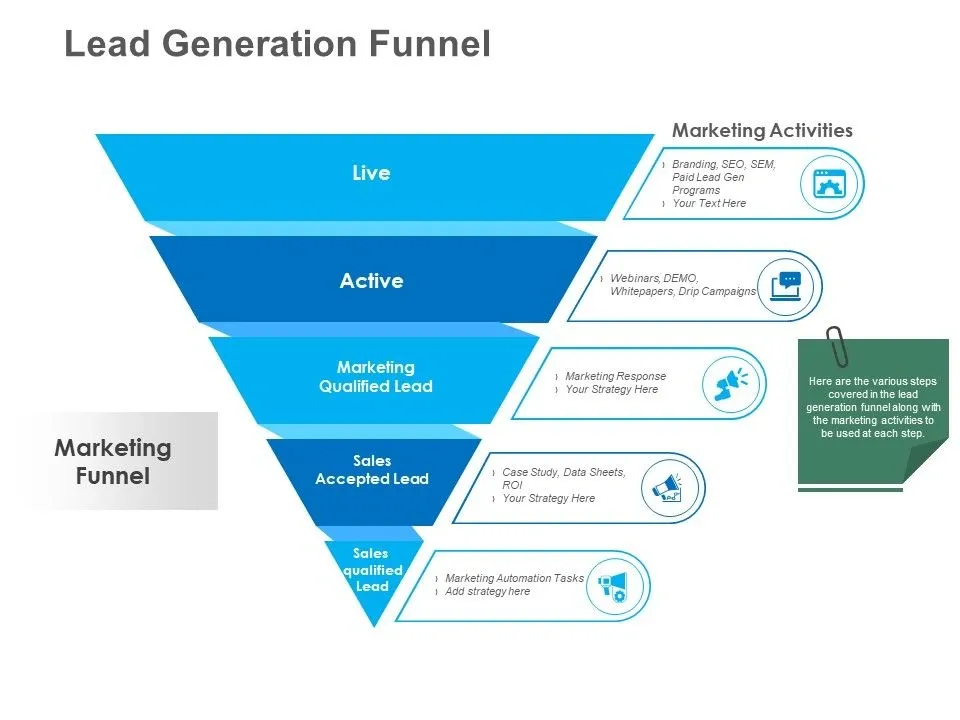
Looking to maximize your limited marketing budget? SEO might be your best bet. For B2B startups watching every dollar, search engine optimization often delivers exceptional returns when implemented strategically. The key is understanding when this approach makes the most sense for your specific business situation.
SEO lead generation strategies for long-term growth
Unlike paid advertising that stops the moment you turn off the budget tap, SEO creates a sustainable lead generation pipeline that continues delivering results long after implementation. Your well-optimized content attracts traffic for months or even years, requiring only occasional updates to maintain relevance.
This compounding effect is particularly valuable if you’re focused on sustainable growth. By month 12, you could generate a steady stream of qualified leads organically, with zero ongoing ad spend. The numbers speak for themselves: many SaaS companies report 10x returns or higher on their SEO investments, making it potentially the highest ROI channel for teams willing to be patient.
The beauty of SEO is that consistent technical optimization paired with quality content development helps maintain high rankings, keeping your brand visible to potential clients when they’re actively looking for solutions like yours.
Ranking for high-intent keywords and product use cases
The real power of B2B SEO isn’t about traffic volume, it’s about conversion potential. High-intent keywords signal purchase readiness, even if they have lower search volume.
As one expert puts it: “Would you rather rank number one for ‘what is a KPI’ and get 70,000 clicks that are garbage, or would you rather get 50 clicks a month on ‘Enterprise Data Warehouse’ that actually convert?”. This distinction explains why SEO works so well for solution-focused B2B startups.
When targeting keywords, focus on:
- Commercial intent terms that signal buying readiness
- Specific product-feature combinations that match your solution
- Long-tail keywords reflecting particular business challenges
The results can be impressive. One identity protection company achieved a 9% conversion rate directly from organic search with their “alternatives” page. Another B2B company reached the #1 spot for “B2B SEO company” in just three weeks, generating approximately three qualified leads monthly from that single page.
Reducing CAC through organic acquisition
If you’re struggling with high customer acquisition costs (and which startup isn’t?), SEO offers a compelling solution. A robust SEO strategy can reduce CAC by up to 60%. Even more impressive, SEO acquisition costs per customer are anywhere from 3X to 50X lower than typical paid channel costs.
The math gets even better over time. By ranking for relevant keywords that attract your target audience, you create a sustainable lead flow without the constantly increasing cost burden of paid advertising. This efficiency lets you direct more resources toward product development and customer experience rather than continuously feeding the advertising machine.
For resource-constrained B2B startups, starting with bottom-funnel SEO often makes the most strategic sense. These high-intent terms may generate fewer leads, but they’re significantly more qualified, helping you make the most of your limited capacity.
When Inbound Marketing Delivers More Value
“You should focus on inbound marketing because it allows you to pull in people who are, by definition, warm prospects for you. They are already receptive to your message and are ready to do business with someone. You just have to make sure that is you, whether through your online content, email funnel, etc.”
, HubSpot, Leading inbound marketing and sales platform
SEO is great at capturing search traffic, but inbound marketing truly shines when relationship building becomes your priority. Trust forms the cornerstone of successful B2B partnerships, and inbound strategies excel at fostering this essential element.
Building trust through educational content
Trust isn’t just nice to have in B2B, it’s the foundation upon which substantial business relationships are built. Educational content serves as your most effective trust-building tool, positioning your startup as an industry authority rather than just another vendor. According to research, 79% of B2B marketers use content marketing specifically to educate their customers.
Educational content takes many forms, each serving distinct trust-building functions:
- Whitepapers and case studies that demonstrate real-world expertise and results
- Webinars and instructional videos that showcase your team’s knowledge
- Blog posts and infographics that address industry challenges with practical solutions
The impact of this approach extends beyond mere visibility. A remarkable 70% of consumers report feeling genuinely connected to companies through their content marketing efforts, and 82% develop more positive brand perceptions after engaging with custom content.
Using email and lead magnets to nurture interest
Once you’ve captured attention, lead nurturing through email and valuable content offers (lead magnets) transforms initial curiosity into serious consideration. Lead magnets provide immediate value in exchange for contact information, creating a permission-based relationship with potential buyers.
The best lead magnets solve specific problems your prospects face, establishing credibility before asking for a purchase. They should focus entirely on delivering value rather than promoting your product. This educational approach helps demonstrate your expertise while building relationships through regular, helpful communication.
Lead nurturing sequences deliver progressively more relevant content based on prospect behavior and engagement. This approach aligns perfectly with how B2B buyers prefer to purchase, through self-education and careful evaluation rather than sales pressure. These nurturing efforts create two-way engagement across multiple channels, strengthening your overall digital marketing impact.
Aligning with complex buyer journeys
B2B buying rarely follows a linear path. Modern purchase decisions involve an average of 6-10 decision-makers, each with unique concerns and research methods. Inbound marketing particularly excels when addressing this complexity.
For example, B2B buyers consume between three to five content pieces before engaging with a salesperson. During their extended journey, buyers seek educational materials at every stage, from initial problem recognition through final vendor selection. Research reveals that hybrid approaches, combining digital tools with human interaction, are 1.8 times more likely to result in high-quality deals.
Ultimately, inbound marketing delivers exceptional value whenever buyers need guidance through complicated decision processes. Through educational content, systematic nurturing, and journey-aligned resources, you’ll build the trust necessary for prospects to confidently choose your solution over alternatives.
Common Pitfalls: Choosing One Over the Other
Many B2B companies make costly mistakes when implementing marketing strategies. They lean too heavily toward either SEO or inbound approaches, creating imbalances that waste resources and miss opportunities throughout the sales funnel.
Let’s look at the three most common pitfalls you need to avoid:
Overinvesting in SEO without content depth
Technical SEO excellence means little without substantive content backing it up. Unfortunately, many B2B companies focus extensively on SEO mechanics while neglecting content quality.
This common pitfall shows up in several ways:
- High-level messaging that’s too vague for search intent, with businesses describing themselves with flowery terms like “strategic optimization consulting firm” instead of straightforward descriptions like “SEO company”
- Publishing content that lacks specificity, failing to build proper topical authority around their expertise
- Producing shallow content at high volume, a strategy that no longer works effectively
As one expert puts it, “Years ago there used to be this idea that churning out mass amounts of content was the best thing you could do for your website. Thankfully, Google prefers quality over quantity these days”.
Relying on inbound without search visibility
On the flip side, inbound marketing without proper SEO foundation limits your potential reach. Without SEO optimization, even your most exceptional content will struggle to attract the right audiences.
Research clearly shows, “Without SEO, it’s unlikely that you will get the right kind of traffic you need”.
This results in what I call “shouting into the void”, you’re producing valuable content that your potential customers simply never discover. The truth is simple: “Inbound marketing without SEO is pointless because it means your great content may not be found quickly or reliably enough to make a difference”.
Ignoring funnel-stage alignment
Perhaps the most damaging mistake is when companies neglect to align their strategies with specific funnel stages. This misalignment creates serious disconnects between marketing and sales teams.
Many SaaS companies struggle with “mislabeling leads and mismanaging handoffs between marketing and sales”. When this happens, three major issues typically emerge:
- Unqualified leads clog the sales pipeline
- Sales teams ignore marketing-qualified leads
- Marketing teams prioritize volume over quality
The solution? Develop a balanced approach that creates content serving both strategies while respecting the distinct requirements of each funnel stage. A well-structured funnel “ensures that each lead moves through a structured qualification process before reaching sales,” ultimately minimizing friction between teams.
How to Combine SEO and Inbound for Maximum Impact
You don’t have to choose between SEO and inbound marketing, they work better together.
When you combine these approaches strategically, you’ll see results that neither strategy could achieve alone. One digital marketing expert found that proper SEO/SEM integration boosted funnel performance by a whopping 300%. Those aren’t numbers to ignore!
Creating content clusters that serve both strategies
Content clusters have become the secret weapon for B2B marketing effectiveness. Instead of creating random blog posts targeting isolated keywords, you organize your content around central topics that matter to your audience.
Here’s how it works:
You create a comprehensive pillar page about a broad topic, then support it with multiple detailed pages that explore specific aspects. This structure builds topical authority and creates natural internal linking opportunities.
The results speak for themselves. HubSpot saw a 107% traffic increase after implementing content clusters in 2017. Why does this work so well? Content clusters satisfy both search algorithms and human readers simultaneously, building your authority with both audiences.
Using SEO data to inform inbound topics
Want to create content your audience actually cares about? Let SEO data guide you.
When developing topics for your inbound strategy, look at what your potential customers are already searching for. Here are some quick ways to find this information:
- Check Google autocomplete suggestions when you type in keywords related to your business
- Explore the “People also ask” section for specific questions your audience needs answered
- Review “Related searches” at the bottom of search results pages for additional relevant topics
The best B2B content strategies combine competitor analysis, keyword clustering, and technical optimization. This approach ensures you’re addressing real customer concerns, not just what you think they want to know. As one expert puts it, “In inbound marketing, SEO is the top priority as it sets the tone”.
Balancing short-term wins with long-term growth
The most successful B2B startups find ways to balance quick wins with sustainable growth. One company optimized their digital ad campaign through conversion analysis and saw a 25% lead generation increase within weeks, all while maintaining their brand alignment.
You can do the same by:
- Setting up metrics that track both immediate impact (conversion rates, engagement) and long-term health (retention rates, brand sentiment)
- Testing new approaches without compromising your brand stability
- Making sure each short-term initiative also builds your authority in the industry
For lasting success, every piece of content should serve double duty. Your data-driven reports or industry trend analyses should both attract leads AND establish your brand as a trusted resource. This creates a virtuous cycle where today’s wins contribute to tomorrow’s growth.
Comparison Table
Not sure how to make a direct side-by-side assessment of SEO and inbound marketing? This comparison table breaks down the key differences to help you decide which approach fits your B2B startup’s current needs.
| Aspect | SEO | Inbound Marketing |
|---|---|---|
| Primary Focus | Improving organic search visibility and driving traffic through search engines | Attracting potential customers through valuable content and relationship building |
| Timeline for Results | Longer to show results but delivers sustainable, ongoing traffic | Can generate leads faster through various channels |
| Resource Requirements | Technical expertise and ongoing optimization | Broader content creation capabilities and distribution systems |
| Content Strategy | Focus on high-intent keywords and technical optimization | Educational content, whitepapers, webinars, and relationship-building materials |
| Lead Generation Cost | 3X to 50X lower acquisition costs compared to paid channels | 61% lower cost per lead compared to outbound tactics |
| Top Funnel Effectiveness | Targets specific search queries and problem-aware users | 64% effectiveness rate for content marketing at awareness stage |
| Middle Funnel Effectiveness | Focuses on solution-specific keywords | Excels at nurturing relationships through educational content |
| Bottom Funnel Effectiveness | 10x higher conversion rates for commercial intent keywords | Strong at building trust for final purchase decisions |
| Best Use Case | When targeting high-intent keywords and reducing customer acquisition costs | When building trust and guiding complex buyer journeys |
As you can see from the table above, both approaches have distinct strengths at different stages of the funnel. SEO tends to deliver better ROI for bottom-funnel conversion, while inbound marketing excels at building the relationships necessary for complex B2B sales processes.
The right choice depends largely on your immediate business goals, available resources, and the length of your typical sales cycle. Many successful B2B startups find that starting with high-intent SEO targets while gradually building out a more comprehensive inbound strategy delivers the best of both worlds.
Final Thoughts: Choosing the Right Focus for Your Stage
Let’s wrap this up with some practical guidance. After diving into both SEO and inbound marketing strategies, one thing is crystal clear – these approaches deliver the best results when working together rather than competing for your attention.
Many B2B startups mistakenly view this as an either/or choice when they should be thinking about how these strategies complement each other. Throughout our discussion, we’ve seen SEO’s power in capturing high-intent traffic with exceptional ROI over time. Meanwhile, inbound marketing builds those crucial relationships through educational content.
So what should you do? Start by understanding your unique business situation.
Ask yourself these questions:
- Do you need immediate visibility for solution-specific terms? High-intent SEO content focused on bottom-funnel keywords might give you those quick wins.
- Does your solution require extensive education before purchase? Comprehensive inbound resources might serve you better right now.
For most growing B2B companies, success comes from smart sequencing rather than picking sides. Begin with high-intent SEO targets that deliver qualified leads, then expand your inbound initiatives as your resources grow. This balanced approach gives you both short-term results and builds long-term growth potential.
Remember, both strategies share the same goal – connecting your solution with businesses that need it. Your success ultimately depends on understanding your buyers’ journey and meeting them at each critical stage with valuable content they actually want.
The best B2B marketing isn’t about choosing between competing approaches. It’s about orchestrating complementary tactics that work together at the right time. When you understand which strategy delivers maximum value at each stage, you’ll build a marketing system that consistently generates qualified leads while establishing your lasting authority in the industry.
Discover which strategy wins for B2B at GrowLeads.io. Visit now to learn more!
FAQs
Q1. How important is SEO for B2B companies?
SEO is crucial for B2B companies as it helps establish a strong online presence, drives targeted organic traffic, and reduces customer acquisition costs. It’s particularly effective for capturing high-intent searches from decision-makers actively seeking business solutions.
Q2. Can inbound marketing and SEO work together effectively?
Yes, inbound marketing and SEO complement each other well. While SEO focuses on improving search visibility, inbound marketing creates valuable content that addresses customer needs throughout their buying journey. Combining both strategies can lead to a more comprehensive and effective marketing approach
Q3. What are the key differences between B2B SEO and B2C SEO?
B2B SEO typically targets more specific, niche audiences with lower search volumes but higher intent. It focuses on decision-maker-oriented keywords, often involves longer sales cycles, and requires content that addresses complex business challenges and solutions.
Q4. How long does it take to see results from B2B SEO efforts?
B2B SEO generally takes longer to show results compared to B2C, often requiring 6-12 months for significant impact. However, once established, it provides sustainable, long-term benefits with ongoing organic traffic and lead generation.
Q5. Should startups prioritize SEO or inbound marketing?
The choice depends on the startup’s specific situation. SEO can be more cost-effective for targeting high-intent keywords and reducing customer acquisition costs. Inbound marketing excels at building trust and guiding complex buyer journeys. Often, a balanced approach combining both strategies yields the best results.

Leads SEO and the GEO/AEO work that wins organic and AI-answer visibility.