
How to Build a B2B Lead Generation Services Checklist That Actually Works in 2026
 Consumer behavior shows that 95% of buyers check reviews before purchasing anything. A complete b2b lead generation services checklist can help you use this social proof to attract qualified prospects.
Most businesses don’t deal very well with lead generation. The numbers tell an interesting story – only 35% of companies have mobile-optimized sites, while 91% of B2B buyer searches take place on mobile devices. Your b2b lead generation strategy must bridge this gap. The trust factor presents another challenge – 92% of consumers trust their friends’ referrals, but only 11% of sales professionals ask for them. This reveals a major missed chance in most lead generation methods.
B2B buyers typically interact with 13 pieces of content before making their final decision. This shows why a well-laid-out b2b lead generation process must guide prospects through their buying experience. The Obama campaign proved this when they boosted donations by 18.6% with a simple CTA adjustment. You can create a system that delivers consistent results by testing different approaches.
This piece shows you how to create a b2b lead generation services checklist that works for 2025 and beyond.
Understand the Role of a B2B Lead Generation Checklist
A well-laid-out approach can make all the difference in your lead generation efforts. Research shows 61% of B2B marketers say getting high-quality leads is their biggest challenge. This explains why a b2b lead generation services checklist isn’t just helpful, you need it to succeed.
Why checklists improve lead generation outcomes
Checklists turn complex lead generation processes into simple, repeatable systems. A b2b lead generation strategy based on a checklist ensures consistency in all marketing efforts. This organized method proves valuable in the competitive B2B landscape where stakes are high and you can’t afford mistakes.
A well-designed checklist reduces mistakes and missed steps in your lead generation workflow. Teams often skip critical steps without clear documentation, which leads to missed opportunities and lower revenue. By doing this and being organized, you can:
- Track performance consistently
- Identify areas for improvement
- Efficiently manage resources
- Keep teams arranged on objectives
Common mistakes in unstructured lead generation
Companies often fall into predictable traps without a systematic approach. Studies show 79% of marketing leads fail to convert, and 37.1% of marketers say getting quality leads is their greatest challenge.
The most damaging lead generation mistakes happen when processes lack structure:
- Prioritizing quantity over quality: Your pipeline gets clogged with low-fit contacts that create friction and waste resources
- Relying on single lead sources: Your entire pipeline can stall when algorithms change or budgets move
- Ignoring lead nurturing: Companies that nurture leads well produce 50% more sales-ready leads and cut costs by 33%
- Not measuring the right metrics: Teams focus on vanity metrics instead of indicators that connect to revenue
These mistakes damage pipeline performance over time, even if your metrics don’t show it right away.
How a checklist aligns sales and marketing teams
A b2b lead generation process checklist helps bridge the gap between sales and marketing. Research shows companies lose 10% annual revenue when these teams don’t work together.
The 2008 Miller Heiman Sales Best Practices Study found only 37% of companies said their sales and marketing teams agreed on customer wants and needs. This communication gap affects all but one of these companies.
A detailed b2b lead generation checklist helps by:
- Creating shared definitions for qualified leads and sales-ready prospects
- Connecting sales and marketing metrics together
- Setting unified objectives instead of separate departmental metrics
- Defining specific roles and responsibilities to stop finger-pointing
This alignment matters most in b2b lead generation best practices. The program becomes shared when marketing treats the sales team as their customer and includes them fully. This makes shared work possible and turns two separate departments into one revenue-generating machine.
Define Your Ideal Customer and Lead Criteria
 Companies that know their ideal customers inside out have better success with B2B lead generation. Research shows that a well-defined ideal customer profile helps qualify leads more quickly. Companies that hit their revenue targets are four times more likely to use detailed personas than those who don’t.
Create detailed buyer personas
An ideal customer profile (ICP) describes a company that’s a perfect match for your products or services. Your ICP goes beyond a basic target market and points out which prospects will likely become customers. The secret to a great ICP lies in being specific, you won’t reach anyone if you try to target everyone.
Your buyer personas should include:
- Firmographics: Company size, industry, revenue, employee count, and growth potential
- Demographics: Job titles, roles, education level, and decision-makers’ seniority
- Psychographics: What drives your buyers, their challenges, and attitudes
- Behavioral patterns: How they buy, interact, and make decisions
- Technographics: Tech stack and digital tools they use
ICPs help you target the right companies, while buyer personas paint a picture of the people who make buying decisions in these organizations. The numbers speak for themselves – 71% of companies that beat their revenue goals have clear buyer personas. This shows how crucial personas are to your b2b lead generation strategy.
Set qualification standards for MQLs and SQLs
Clear criteria for qualifying leads comes next. When marketing and sales teams aren’t on the same page about lead definitions, companies lose 10% of their annual revenue. That’s why you just need standard qualification criteria in your b2b lead generation process.
Marketing Qualified Leads (MQLs) show interest in what you offer through various touchpoints, they might ask questions by email, chat with you live, or respond to your campaigns. These leads match your target profile and know your brand.
Sales Qualified Leads (SQLs) are ready to buy soon. Here’s how to qualify an SQL:
- Build a solid business case for your solution
- Check if your contact can influence purchase decisions
- Find a specific need your product solves
- Figure out when they plan to buy
B2B companies typically convert 13% of MQLs to SQLs, but numbers vary by channel. Websites convert about 31%, while referrals hit 24%. Top companies in B2B industries turn 59% of SQLs into real opportunities.
Segment leads by industry, size, and intent
Good segmentation helps you customize your b2b lead generation approach for different audiences after setting your qualification criteria. This way, you can focus on prospects that fit your offering better.
Firmographic segmentation groups prospects by industry type, company size, and revenue. This helps you find companies that both need and can afford your services. Looking at what prospects do, like visiting your website, downloading content, or signing up for events, shows where they are in their buying trip.
Intent-based segmentation will be key for b2b lead generation in 2025. You can spot which target prospects are actively looking for solutions versus those who aren’t ready yet. This lets you share relevant content based on how close they are to buying.
The customer lifecycle stage tells you where leads are in their buying trip, from first learning about you to becoming advocates. Knowing whether someone just saw an ad or actively engaged with your marketing helps you create targeted strategies that match your detailed b2b lead generation services checklist.
Build the Core of Your 2025 B2B Lead Generation Services Checklist
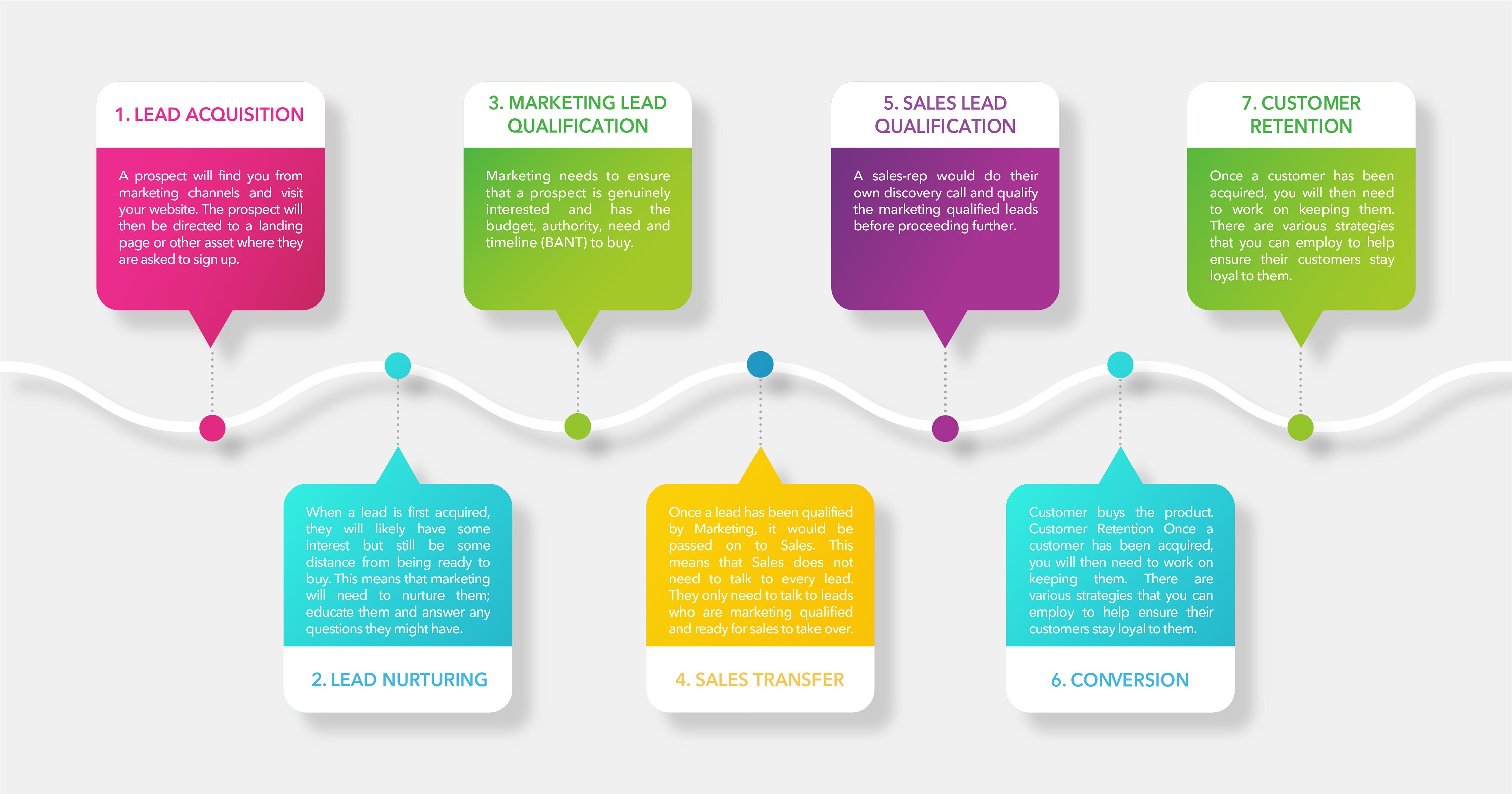
Let’s build the core components of your B2B lead generation services checklist that will deliver results in 2025. A structured approach makes this possible.
1. Define your lead generation goals
Your checklist should start with clear, measurable targets for lead generation efforts. Set specific objectives like generating 50 new leads monthly or hitting a 12% conversion rate. You can base these targets on past campaign performance or industry measures. Your goals should connect to broader business objectives. Studies show companies with documented strategies achieve higher ROI.
2. Choose your lead acquisition channels
The most effective B2B channels for lead generation include organic search (used by 100% of surveyed companies), paid search (which generates leads for over 70% of B2B companies), content marketing, and email. Social media has become a powerful tool too – 78% of B2B marketers use it to generate leads. Pick channels where your target audience spends time rather than just following industry trends.
3. Set up lead capture mechanisms
Your b2b lead generation process needs optimized lead capture mechanisms. The first five seconds of page load time affect conversion rates the most. A good user interface can boost conversions by 200%, while excellent UX can push them up by 400%. You should add lead capture forms, pop-ups, and landing pages with clear value propositions and compelling calls to action.
4. Plan your lead nurturing workflows
Automated lead nurturing workflows can transform conversion rates. Nurtured leads are 50% more likely to buy. Create workflows that deliver customized content based on prospect behavior. You should segment leads by industry, company size, and shown intent. Use trigger-based emails and multi-channel touchpoints to keep prospects interested throughout their buying experience.
5. Assign lead scoring criteria
Lead scoring helps prioritize prospects who are most likely to convert. An effective scoring system combines:
- Explicit data: Company size, industry, revenue, geographic location
- Implicit data: Website behavior, email engagement, content downloads
Point values should reflect importance, 10-15 points for critical criteria, 5-9 for important ones, and 1-4 for influencing factors.
6. Establish handoff rules to sales
Sales and marketing teams need a structured process for qualified lead transfers. Your Service Level Agreement (SLA) should specify:
- Response time for each lead type
- Methods for follow-up
- CRM documentation requirements
- Protocol for unresponsive leads
Good alignment prevents the 10% annual revenue loss that poor sales-marketing coordination typically causes.
7. Set KPIs and tracking metrics
Your success depends on tracking the right performance indicators. B2B lead generation KPIs should include cost per lead, cost per acquisition, conversion rates, website traffic, and lead quality. Tracking booked meetings and average response time helps you understand campaign performance better. Regular metric reviews help optimize your checklist and improve results consistently.
Integrate Tools and Automation for Scalability
 The right technology stack helps scale your b2b lead generation process beyond manual efforts. Your lead volume growth demands tools and automation to maintain quality and consistency.
CRM and lead tracking systems
A customer relationship management (CRM) system forms the foundation of flexible lead generation. The system centralizes prospect data and makes it available to marketing and sales teams. These systems organize leads, track interactions and give a complete picture of all sales activities.
Your b2b lead generation services checklist should include these CRM features:
- A centralized platform to manage contact data
- Visual tools to monitor deal progression
- Features to score and prioritize promising prospects
- Options to connect with marketing and sales tools
Marketing automation platforms
Marketing automation stands as a vital component to scale lead generation. These platforms handle routine tasks yet maintain personal communication with prospects. Studies show that B2B marketing automation software optimizes multifunctional campaigns across channels and boosts operational efficiency.
The right marketing automation platform should offer:
- Tools to automate email campaigns
- Features to create lead nurturing workflows
- Analytics to measure campaign performance
- Options to segment targeted messages
AI tools for lead scoring and personalization
Innovative AI-powered tools are changing how companies identify and involve prospects. These tools analyze data so big that manual analysis becomes impossible.
AI boosts your b2b lead generation strategy through:
- Predictive lead scoring based on behavior and historical data
- Content recommendations tailored to each prospect
- Smart email optimization including subject lines and timing
- Data analysis to spot accounts ready to buy
To cite an instance, AI tools score leads automatically using demographics and online behavior to predict sales-ready prospects. The tools create a unified view of customer interactions through uninterrupted CRM integration, which helps departments work better together.
Review, Test, and Optimize Your Checklist Regularly
The first step is creating your checklist. The real value emerges through constant improvement. Your B2B lead generation services checklist will work better as market conditions change through regular testing and optimization.
Run A/B tests on landing pages and CTAs
A/B testing lets you compare two versions of a page or element to find the better performer. This method gives you measurable results to guide your decisions. Here’s what to remember while testing:
- Landing pages, CTAs, form fields, and headlines make the biggest difference
- Clear results come from testing one element at a time
- Meaningful conversions matter more than clicks
- Quality leads matter more than surface-level metrics
Your leads can increase by 40% with a well-planned A/B testing strategy. The Obama campaign’s donations jumped 18.6% by simply changing their “Sign Up Now” button to “Learn More”.
Use analytics to refine lead sources
Evidence-based decisions play a vital role in making your B2B lead generation strategy better. Regular monitoring of key performance indicators through dashboards helps you spot trends and areas that need improvement quickly.
Google Analytics and other strong analytics software help you learn about website performance, traffic sources, and user behavior. This information shows which lead sources bring the highest quality prospects – those who become customers, so you can direct your resources properly.
Update checklist based on performance data
Regular measurement strengthens your B2B lead generation process. Monthly or quarterly review periods help assess performance metrics and improve your checklist.
These reviews help find weak areas through regular audits. You can then move resources to strategies that work better. Your B2B lead generation tactics will match what works, not what might work.
Companies should analyze and improve their strategies based on results. This step-by-step approach keeps your B2B lead generation practices relevant in the changing B2B world. Buyer priorities keep shifting – 70% of B2B buyers now prefer online buying and self-guided digital research.
Conclusion
A well-laid-out B2B lead generation services checklist lays the groundwork for sustainable growth in 2025 and beyond. This piece shows how structured approaches can turn chaotic lead generation efforts into systematic, repeatable processes that deliver consistent results.
Your checklist does more than document steps, it works as an operational blueprint that arranges sales and marketing teams around shared goals and definitions. Companies using proper checklists gain most important benefits: higher conversion rates, better lead quality, and lower customer acquisition costs.
Note that your B2B lead generation strategy must adapt to changing market conditions. Performance analysis helps you spot underperforming channels fast, redistribute resources, and improve your approach based on real results instead of assumptions. On top of that, AI-powered lead scoring and marketing automation platforms help scale your efforts while keeping personalization intact.
Successful B2B companies know lead generation needs constant improvement rather than being a one-time project. Creating a detailed checklist needs original investment, but the long-term benefits far exceed the costs. Your pipeline will improve when you put these strategies to work, track results, and make needed adjustments.
Your checklist must stay flexible as a living document. The B2B world changes faster as buyer priorities and technologies keep evolving. A static checklist won’t work anymore. Regular testing, analysis, and optimization will help you build a lead generation system that brings quality prospects and stimulates sustainable growth for years ahead.
FAQs
Q1. What are the key components of an effective B2B lead generation checklist for 2025?
An effective B2B lead generation checklist should include defining clear goals, selecting appropriate acquisition channels, setting up lead capture mechanisms, planning nurturing workflows, implementing lead scoring, establishing sales handoff rules, and setting KPIs for tracking performance.
Q2. How can AI tools enhance B2B lead generation efforts?
AI tools can significantly improve B2B lead generation by providing predictive lead scoring, personalizing content recommendations, optimizing email campaigns, and analyzing intent data to identify high-potential accounts.
Q3. Why is aligning sales and marketing teams crucial for B2B lead generation?
Aligning sales and marketing teams is essential because it creates shared definitions for qualified leads, connects metrics, establishes unified objectives, and defines specific roles. This alignment can prevent revenue loss and transform separate departments into a cohesive revenue-generating unit.
Q4. How often should a B2B lead generation checklist be reviewed and updated?
A B2B lead generation checklist should be reviewed and optimized regularly, typically on a monthly or quarterly basis. This ensures that strategies remain effective as market conditions evolve and allows for timely adjustments based on performance data.
Q5. What role does A/B testing play in optimizing B2B lead generation?
A/B testing is crucial for optimizing B2B lead generation as it allows companies to compare different versions of landing pages, CTAs, and other elements. This data-driven approach can significantly improve conversion rates and lead quality when implemented consistently.

Builds the demand intelligence, automation, and deliverability systems behind Growleads pipeline.