
10 Ways to Improve Your Sales Process optimization Framework

Here’s a shocking stat: 91% of sales leaders failed to hit their quota expectations this year. You’re not alone if you’re having trouble with sales performance.
Your sales process framework isn’t just a nice addition – it’s crucial for survival. The numbers tell an interesting story. Companies with a formal sales process grow their revenue 18% more than those without one. On top of that, organizations that improve their sales process are 33% more likely to perform better.
Want to hear something remarkable? Companies that use sales optimization tools see their revenue jump by 34%, and almost 95% of them work more efficiently. My experience with numerous sales teams shows how a well-planned approach to sales process improvement can revolutionize results – even in tough markets.
The digital world has made this even more important, as 70% of buyers prefer digital interactions. Your sales process framework must adapt to meet buyers on their terms. Here’s an interesting fact: top-performing sales reps spend just one extra hour weekly with buyers compared to others. This small change adds up to four extra hours monthly and makes a big difference in results.
Let me show you 10 practical ways to make your sales optimization process stronger. We’ll cover everything from setting clear goals to making use of multi-channel strategies. These tips will help you close more deals and beat those tough quotas.
Set Clear Sales Goals and Track Key Metrics
 Sales teams need goals that point them in the right direction. Companies missing their targets usually don’t have clear objectives. Setting measurable targets helps optimize your sales process [link_1].
Sales goals and performance metrics explained
Sales goals represent what your team wants to achieve in a specific timeframe. Performance metrics help track progress toward these goals. Companies using proper Sales Performance Management (SPM) solutions see a 15% boost in sales productivity.
Your bottom line should guide which metrics you track. Here are five key metrics that matter:
- Sales Quota Attainment: Shows how many targets your team hits. Companies with structured quota processes see a 40% increase in sellers meeting goals.
- Sales Cycle Time: Shows how long deals take to close. A 20% shorter cycle can boost revenue by 30%.
- Conversion Rate: Reveals how many leads become customers. HubSpot data shows 2.35% average across industries.
- Deal Size: Shows average value of closed deals. McKinsey research shows a 1% larger deal size can boost profits by 8.3%.
- Pipeline Coverage: Shows pipeline value compared to quota. Harvard Business Review suggests a 3:1 ratio works best.
You might also track monthly qualified leads (MQLs), win rates, or response times based on your sales framework.
Why setting SMART goals improves sales process
Unclear goals breed mediocrity. SMART goals give you a structured path that revolutionizes your sales process. More than 60% of sales reps fall short of yearly quotas. This happens because their targets lack clarity.
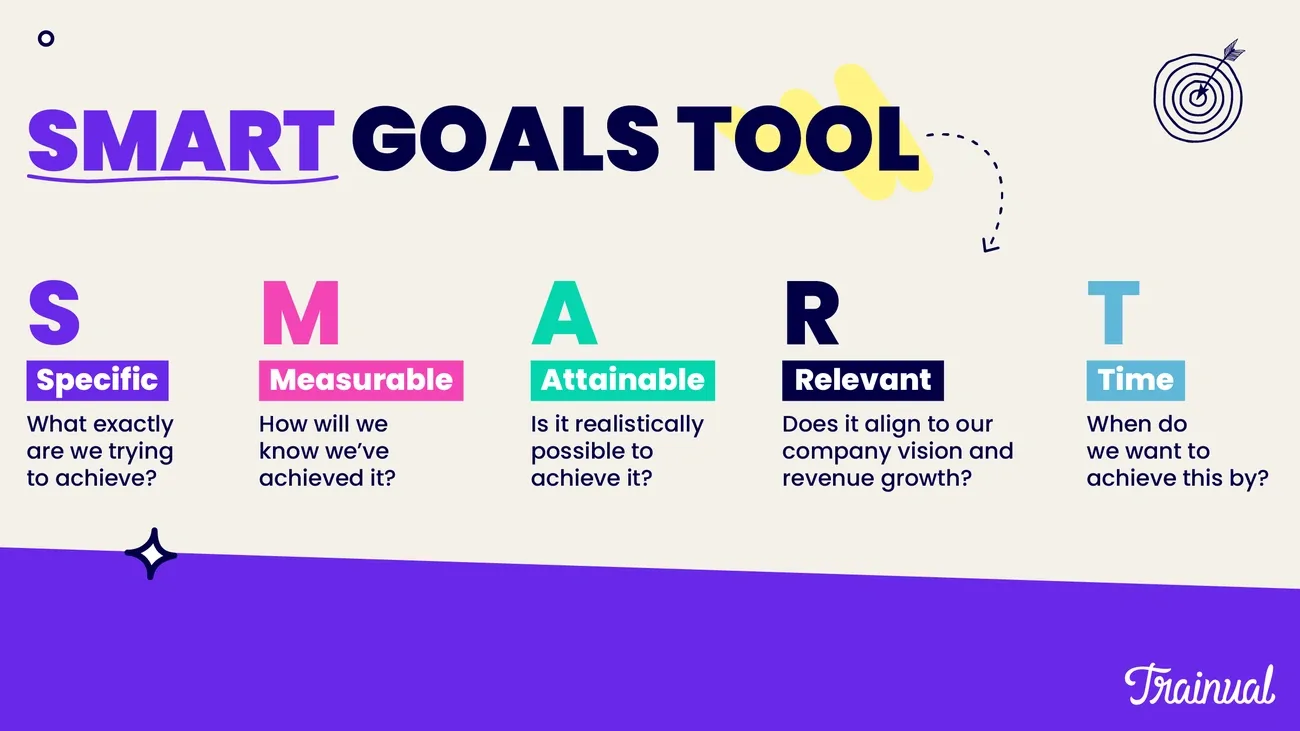
SMART means:
- Specific: Define exact expectations (e.g., get 600 customers)
- Measurable: Set concrete criteria (e.g., make 40 calls daily)
- Attainable: Choose realistic yet challenging targets
- Relevant: Match business objectives
- Time-bound: Set deadlines (e.g., by end of Q1)
Written goals make people 3 times more successful than unwritten ones. Companies that forecast sales within 5% accuracy can plan better.
How to track and adjust goals effectively
Goals without tracking systems get forgotten. My experience with sales teams shows three key steps work best:
- Define measurable goals that matter to your growth (leads, calls, closed deals)
- Create actionable plans with steps to reach each goal
- Track progress regularly with the right tools
Modern sales needs good tech. CRM systems like Sales Cloud turn data into applicable information. These tools spot top prospects, assess marketing campaigns, and watch team performance.
Don’t wait for quarterly or yearly reviews. Check progress often. ZS survey shows 79% of high-growth B2B companies set yearly KPIs, while 22% do it quarterly. Regular checks help you find who needs training and whose methods work best.
Different KPIs need different tracking schedules. Revenue goals need monthly or quarterly checks. Lead generation might need daily or weekly monitoring. Clear progress tracking keeps your team motivated and accountable toward better sales.
Refine Your Sales Process Framework
 A well-laid-out sales process framework is the foundation for lasting sales success. Sales teams often struggle without a clear framework. They create inconsistent buyer experiences and miss significant opportunities. My experience coaching sales teams shows this foundation determines whether your sales strategy runs on all cylinders or barely survives.
What a sales process framework has
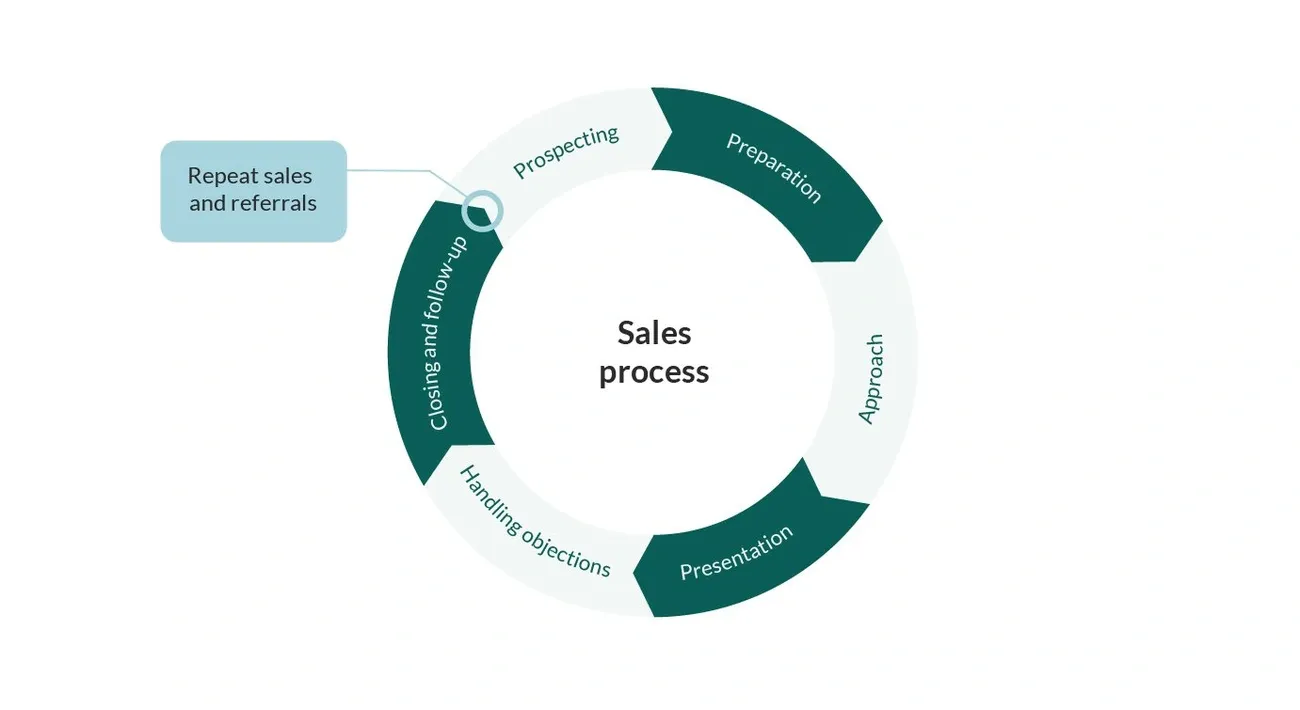
A detailed sales process framework consists of repeatable steps that guide prospects through your sales funnel quickly. The best frameworks typically have:
- Clearly defined stages from prospecting to closing and follow-up
- Transition criteria that show when to move prospects to the next stage
- Buyer-aligned actions that match your customer’s decision-making experience
- Role-specific guidance for each team member involved in the process
- Enablement tools that support each stage of the process
The main difference between good and poor frameworks lies in their focus. Traditional frameworks concentrate on how sellers want to sell. The best frameworks match how customers prefer to buy. This buyer-centric approach connects your sales activities to customer decision points instead of random sales deadlines.
Why structure matters in sales optimization
Structure in sales goes beyond organization, it directly affects performance. Companies with clear sales processes see remarkable improvements: 8% higher revenue attainment, 25% better quota attainment, and 17% increased win rates.
Poor sales process structure creates serious risks. Teams hit performance ceilings, staff turnover increases, and market opportunities slip away. Companies that adopt sales process optimization see +28% revenue growth compared to those with disorganized approaches.
Beyond numbers, a refined framework delivers:
- Consistency across your entire sales team for unified customer experiences
- Efficiency by focusing on revenue-generating activities
- Visibility into problems before they become critical
- Scalability that makes new team member onboarding faster
Steps to refine your current framework
Your existing sales process framework needs these targeted actions:
Start by mapping your customer journey through sales team interviews. Find key decision-makers, touchpoints, and trust-building moments at each stage. This customer-focused approach addresses real buying behaviors instead of internal assumptions.
Look for bottlenecks and leaks in your current process. Something needs fixing in your process or offer when leads consistently drop off at specific stages. Regular metric reviews help spot these gaps quickly.
Update your playbooks and templates with best practices. Structure remains vital and enables your team to work smarter while delivering value in every interaction.
Make training formal to ensure everyone follows the process. Top sales organizations confirm that sales coaching improves seller performance by 94%. The way you teach and reinforce your framework separates average results from exceptional ones.
Your optimization efforts should happen every six months. This schedule helps catch inefficiencies and outdated guidance early.
Implement a Sales Methodology That Fits Your Team

Your organization’s most crucial decision lies in selecting the right sales methodology to optimize your sales process. A sales methodology defines how your team executes selling motions of all types, which differs from a sales process (what to do). This difference matters by a lot when you craft your sales process optimization strategy.
Popular sales methodologies overview
Your sales process framework can improve with several proven methodologies:
SPIN Selling focuses on four question types (Situation, Problem, Implication, Need-Payoff) to uncover customer pain points. Complex, consultative sales benefit from this approach, but it needs skilled questioning techniques.
Challenger Sales strengthens reps to guide prospects by teaching them something new and challenging their thinking. Markets with high competition see great results, yet this approach needs deep industry expertise and might feel aggressive to some buyers.
Solution Selling identifies customer problems and positions your product as the solution. This straightforward, trust-building approach might struggle when prospects already know what they want.
Consultative Selling makes your reps trusted advisors who build relationships and offer tailored recommendations. Long-term relationships thrive with this approach, though trust takes time to develop.
MEDDIC (Metrics, Economic Buyer, Decision Criteria, Decision Process, Identify Pain, Champion) helps qualify opportunities for high-value deals. Enterprise sales teams love this powerful approach, though smaller deals might find it too structured.
Sandler Sales Methodology builds mutual trust and qualifies prospects early. Relationship-driven industries see great results, but reps need strong communication skills.
How to choose the right one for your business
Your team’s goals, market, and customer base need a thorough review first. You should know what you want, better win rates, shorter sales cycles, or bigger deals.
Your team’s strengths and weaknesses matter too. Consultative Selling might work best if your reps excel at relationships. MEDDIC could reshape your results if lead qualification proves challenging.
Sales complexity plays a vital role. Quick, transactional sales work better with efficiency-focused methods. Complex sales with multiple stakeholders need approaches that dig deep into customer needs.
Many teams find success with a hybrid approach. You might mix SPIN Selling’s pain point discovery with Solution Selling’s product positioning.
When to pivot or evolve your methodology
Forrester reports that 89% of B2B sales teams just need to implement a new methodology. Teams typically replace methodologies for three reasons:
-
Poor original selection – Teams often choose methods reactively without studying their top performers.
-
Lack of reinforcement – Success stories, coaching, and education must continue or adoption fails.
-
Changing buyer behaviors – Methods must adapt as buyer priorities evolve.
Key questions arise before any pivot: Do top performers follow the methodology? Do buyers like your approach? Do sellers use the methodology? Do deals get stuck at the same point? Do front-line managers support it?
Note that new methodologies take at least six months to implement. A pilot program helps you gather feedback, measure results, and refine before full rollout.
Invest in Sales Enablement and Training
Sales teams need more than just onboarding for new reps. Your entire team needs the right tools and knowledge throughout their careers. Research by Gartner shows that good coaching alone can boost sales performance by 8%. This makes investments in enablement and training crucial to optimize your sales process.
Sales enablement tools and resources
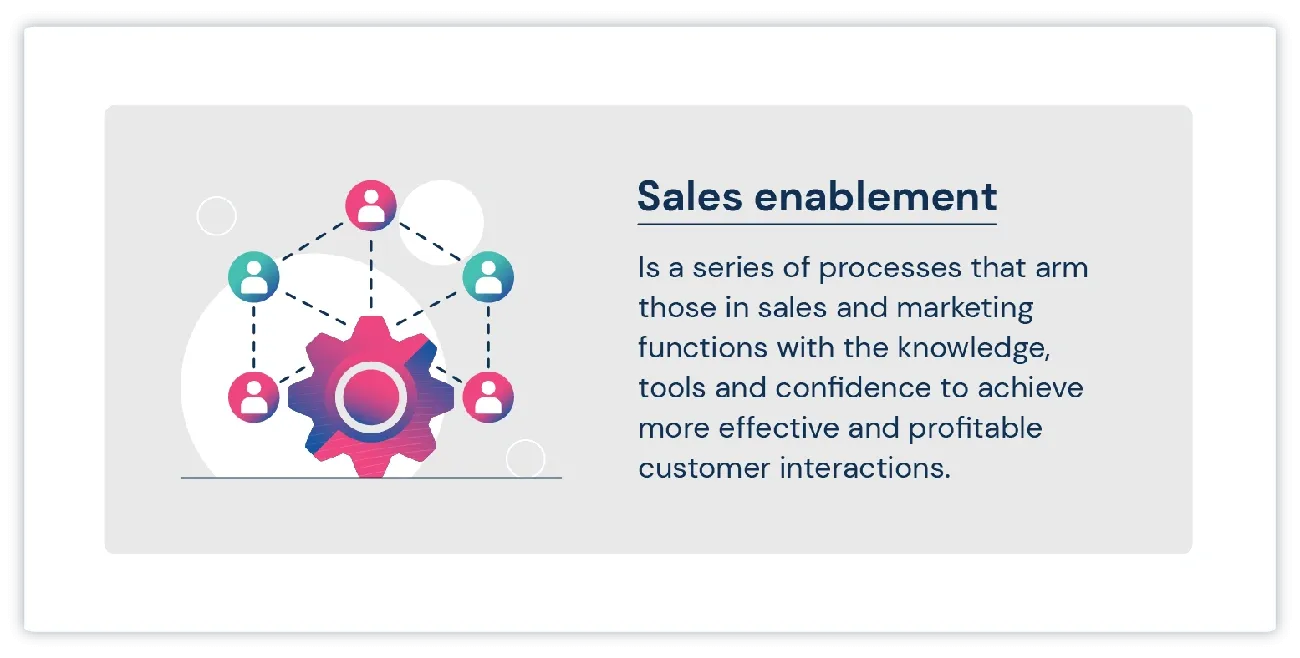
Sales enablement includes training, tools, resources, and support that help sales teams improve their skills and reach revenue targets. Unlike simple training programs, it connects sellers to the core team and departments. This ensures everyone can communicate effectively about your products.
Your team needs these essential tools:
- CRM systems store customer data and relationship history while providing visibility into performance metrics
- Conversation intelligence tools analyze sales calls to identify coachable moments and track behavior changes
- Content management platforms organize blogs, whitepapers, case studies, and sales playbooks in one central location
- Sales performance management software gives live visibility into commission trends and performance data
- Communication tools like Slack aid regular check-ins with individual reps or entire teams
Quality content matters more than tools. Customer stories, product demos, competitive intelligence, and e-books deliver the right information at exactly the right time.
Benefits of continuous training and coaching
One-time events pale in comparison to ongoing training. Companies with continuous sales training achieve up to 50% higher net sales per employee than those without. It also builds confidence through practice. Sales professionals become skilled at product knowledge and adapt better to market changes.
Good coaching provides three main benefits:
First, personalized attention lets struggling reps get one-on-one support that fits their specific needs.
Second, improved retention rates show up when companies invest in ongoing development. The numbers prove it – 76% of salespeople stay longer with companies that offer continuous training.
Third, improved collaboration helps teams line up on best practices and sales approaches. Everyone works toward common goals.
How to build a culture of learning
Leadership buy-in creates a culture of continuous learning. The entire organization sees its importance when executives take part in the learning process.
Learning should be part of daily workflows rather than an occasional event. To name just one example, you can schedule dedicated training blocks during the week. These sessions deserve the same priority as client tasks.
Each team member needs personalized learning paths based on their strengths, weaknesses, and career goals. This custom approach keeps training relevant and engaging, which drives continued growth.
Mentorship programs and collaborative learning opportunities promote knowledge sharing. Research shows that organizations with a strong learning culture are 52% more productive and show 92% more innovation.
Data helps measure progress and recognize achievements. Tracking your learning initiatives’ effects lets you refine your approach and show the real benefits of your investment.
Streamline Sales Content and Resources

Sales content challenges cost your team more than you might think. Research shows reps waste an average of 10 hours per week looking for content. About 65% of marketing-created content goes unused by sales teams. Let’s get into how to fix these challenges and optimize your sales process through better content management.
Common content challenges in sales teams
Sales assets scattered across multiple systems slow down rep productivity and hurt deal closure rates. Sales materials often end up buried in inboxes, shared folders, or personal computers. This makes them hard to find when needed.
Sales people create their own content when they can’t find what they need. This increases the risk of off-brand messaging and compliance problems. Such fragmentation leads to inconsistent customer experiences and wastes valuable selling time.
How to centralize and organize sales materials
A centralized content repository forms the foundation of effective sales content management. This approach will give a single source of truth for all updated content. Sales teams can then:
- Organize materials based on regions, themes, campaigns, or target audience segments
- Showcase content collections tailored to specific selling scenarios
- Apply consistent metadata and tagging to find things easily
- Implement version control to maintain content integrity
Your content repository should connect with email providers, CRMs, and cloud storage systems to create a smoother workflow. This integration keeps all customer interactions in one place.
Tools to manage and audit content effectively
Modern sales content management systems offer advanced features that boost your sales process optimization strategy. Organizations see substantial benefits soon after implementing these tools.
Content governance tools help identify materials that need updates or archiving. Audit trail functionality helps maintain compliance and brand consistency.
AI-powered search capabilities answer questions and suggest perfect content for specific situations right in the rep’s workflow. These systems can host videos, documents, datasheets, and battle cards – making all sales materials available.
Analytics features show how sellers use materials and their impact on deals. Regular content audits help maintain availability and relevance. You can do these half-yearly or annually, depending on your content volume.
Enhance the Customer Experience Across Touchpoints

“Despite all the advances in sales tech, people still buy from people they trust. Genuine connection is the ultimate competitive edge.”
, Brandee Sanders, CMO, Revenue.io
Customer experience directly affects your bottom line. Research shows companies that lead in CX achieved [more than double the revenue growth](https://www.mckinsey.com/capabilities/growth-marketing-and-sales/our-insights/experience-led-growth-a-new-way-to-create-value) of “CX laggards” between 2016 and 2021. Companies that line up their CX and sales reach 36% higher customer retention rates and 32% higher sales conversion rates. Let me show you how to boost this vital part of your sales process optimization strategy.
Customer experience and sales performance
Each touchpoint shapes how customers see your brand and affects their buying decisions. Good experiences boost conversion rates and stimulate word-of-mouth referrals. Satisfied customers become more loyal, and research shows 54% of consumers gladly pay premium prices for excellent service.
The link between CX and sales becomes clearer when we look at specific metrics. Companies that successfully run customer experience projects see 15-25% higher cross-sell rates and 5-10% increases in share of wallet. On top of that, their revenue bounces back faster after market disruptions than their competitors.
How to line up teams for smooth handoffs
The handoff between sales and customer success is a vital moment in the customer’s experience. This transition marks the move from “deal closed” to “value delivered,” not just a formality.
To create smooth handoffs:
- Establish clear responsibilities using tools like RACI matrices that specify who’s responsible for each aspect of the transition
- Create standardized handoff templates that capture customer goals, pain points, and agreed-upon outcomes
- Schedule alignment meetings between sales and CS teams to review handoff quality and discuss high-value accounts
A well-executed handoff makes customers 3.5 times more likely to stick with your brand.
Tactics to boost buyer involvement
To boost involvement at every touchpoint, focus on creating frictionless experiences. Start by finding common hurdles like inconsistent messaging, siloed touchpoints, or complex buying processes.
These proven tactics work well:
- Build omnichannel consistency to avoid disjointed experiences that frustrate customers
- Deliver personalized interactions that match specific customer needs and pain points
- Monitor feedback quickly to improve experiences as they happen
- Analyze customer behaviors to spot and fix issues before they grow
Modern sales pitches must provide tailored, insightful content throughout the buyer’s experience. Buyers will take their business to more engaging competitors if you don’t.
Align Incentives with Sales Strategy

Money talks, and in sales, it speaks volumes. Compensation represents the largest line item in most B2B sales budgets. This signals how significant incentive arrangement is to your sales process optimization framework.
Why incentives drive behavior
Human motivation goes beyond simple cash rewards. Psychological reinforcement shapes behavior through incentives. Your team performs specific actions more frequently when you reward them. Sales teams demonstrate this principle exceptionally well since performance directly affects your bottom line.
Powerful associations between behavior and reward emerge from effective incentives. The association grows stronger when there’s minimal delay between desired behavior and its reward. Tangible rewards prove more effective than cash deposits because they create anticipation and positive thoughts.
Designing effective compensation plans
Your compensation strategy must mirror your objectives. Clear goals need identification before designing incentives, whether you aim to increase market share, boost customer retention, or launch new products.
Effective plans typically include:
- Appropriate pay mix balances base salary and variable incentives based on role influence. A 50/50 split works well for challenging roles with strong market competition
- Clear performance measures focus on financial/production metrics first, followed by strategic, activity, and subjective measures
- Achievable targets challenge your team without discouraging them
- Transparent mechanics help reps understand their reward earning process
Multiple departments, finance, sales, operations, should participate in plan development to ensure balance and buy-in. Organizations with well-designed incentive plans see 36% higher customer retention rates.
Examples of strategic incentive alignment
Strategic alignment opportunities exist beyond simple commission structures. Travel vouchers motivate teams through flexibility and anticipation. Professional development incentives reward performance while building team capabilities.
Your team can gain competitive edge by tracking and rewarding reps who win most often against specific competitors. This approach boosts performance and encourages intelligence sharing across the team.
Team retention improves with bonuses that reward behaviors beyond closing deals. Strategic alignment means creating incentives that connect individual success with organizational goals. “Every team member’s success contributes to the broader corporate vision”.
Use Technology to Optimize Sales Process
 Technology forms the foundation of modern sales process optimization. Your sales team can focus more on building relationships and less on administrative tasks with the right tools. Research shows that 66% of sales reps report feeling overwhelmed by too many tools.
Sales optimization tools to think about
The right technology enables your sales team to achieve better outcomes. Digital tools improve customer insights, resource allocation, and channel interactions when backed by relevant data. Your evaluation of sales technology should focus on these categories:
- CRM systems that serve as your central customer data repository
- Sales engagement platforms like Outreach or Salesloft that automate outreach sequences
- Conversation intelligence tools that analyze call recordings for coaching insights
- Profit optimization solutions that manage pricing and incentives
- Content management systems that organize sales materials efficiently
- Sales performance software that provides visibility into metrics
Companies now blend human expertise with AI-powered tools to boost productivity and customer interactions. This combination works particularly well in profit optimization, where AI helps suggest prices and spot customer willingness to pay.
Avoiding tool overload and integration issues
Sales teams use ten different tools on average to close deals. This tool explosion creates major challenges, from data silos to wasted spending. U.S. companies waste nearly $30 billion each year on unused or rarely used software.
Your tech stack needs regular maintenance. Start by listing your current tools, their costs, and renewal dates. Ask your team for feedback about helpful tools versus those that hinder their work. A dedicated team should review technology usage and measure its effect through cost analysis and productivity assessment.
How to choose the right tech stack
Your first step should identify specific problems you need to solve. Your sales reps might repeat manual tasks or face workflow bottlenecks. Understanding these challenges helps you pick tools that solve real problems instead of adding complexity.
Integration capabilities matter most. Tools should work naturally with your existing systems to avoid data silos and workflow disruptions. Look for multi-function solutions with strong AI capabilities that handle several tasks rather than single-purpose tools.
Your tech stack should grow with your business. As your team expands, your technology should handle more users and changing needs without major problems. Test new tools with a small group first, and remove underperforming solutions quickly.
Personalize Outreach at Scale
“Be personal. Be relevant. Be specific.”
, Seth Godin, Bestselling author and marketing expert
Personalization has transformed from a nice-to-have feature to an absolute necessity in modern sales outreach. About 75% of consumers experimented with new shopping behaviors in the last 18 months. More than 80% plan to stick with these new behaviors. This rapid consumer adaptation makes individual-specific selling crucial now more than ever.
Why personalization boosts conversions
Numbers tell a compelling story – companies that excel at personalization earn 40% more revenue from these activities compared to average performers. This remarkable increase comes from multiple factors. Most consumers (76%) say individual-specific communications make them think about a brand. The data shows that 78% of customers are likely to buy again when they receive personalized content.
Personalization creates a powerful “flywheel effect” beyond immediate sales. Each customer interaction provides more data to design relevant experiences. This cycle builds stronger customer lifetime value and improves retention and loyalty.
Tools and templates to simplify personalization
Sales email templates save time by providing ready-to-use frameworks that ensure consistent messaging across teams. These templates should have personalization elements such as recent company announcements or mutual connections.
Several technologies help create individual-specific experiences at scale:
- Customer Data Platforms (CDPs) that combine information across touchpoints
- AI-powered content generation tools that create tailored messaging
- Email automation platforms with dynamic content capabilities
- Video messaging software that creates personalized screen recordings
Many sales engagement platforms now offer custom variables functionality. These features let you personalize any part of your message automatically. The variables can add leads’ names, logos, screenshots, or dynamic videos.
Examples of scalable personalization tactics
Location-based personalization works well as a strategy. An FMCG brand teamed up with personalization technology to swap generic homepage banners with content tailored to users’ location. Their engagement jumped 30%, conversion rates grew 78%, and customer satisfaction improved by 28%.
Geographic targeting and dynamic content based on user behavior deliver impressive results. The approach includes:
- Product recommendations based on browsing history
- Recently viewed items or related products suggestions
- Website navigation menus that reflect user’s priorities
Yves Rocher added personalized product recommendations and saw their click-through rate soar 17.5x while purchase rates increased 11x. Ruggable created unique website experiences for different paid traffic sources (like dog-related versus cat-related campaigns) and boosted conversion rates by 25%.
Leverage Multi-Channel Sales Strategies
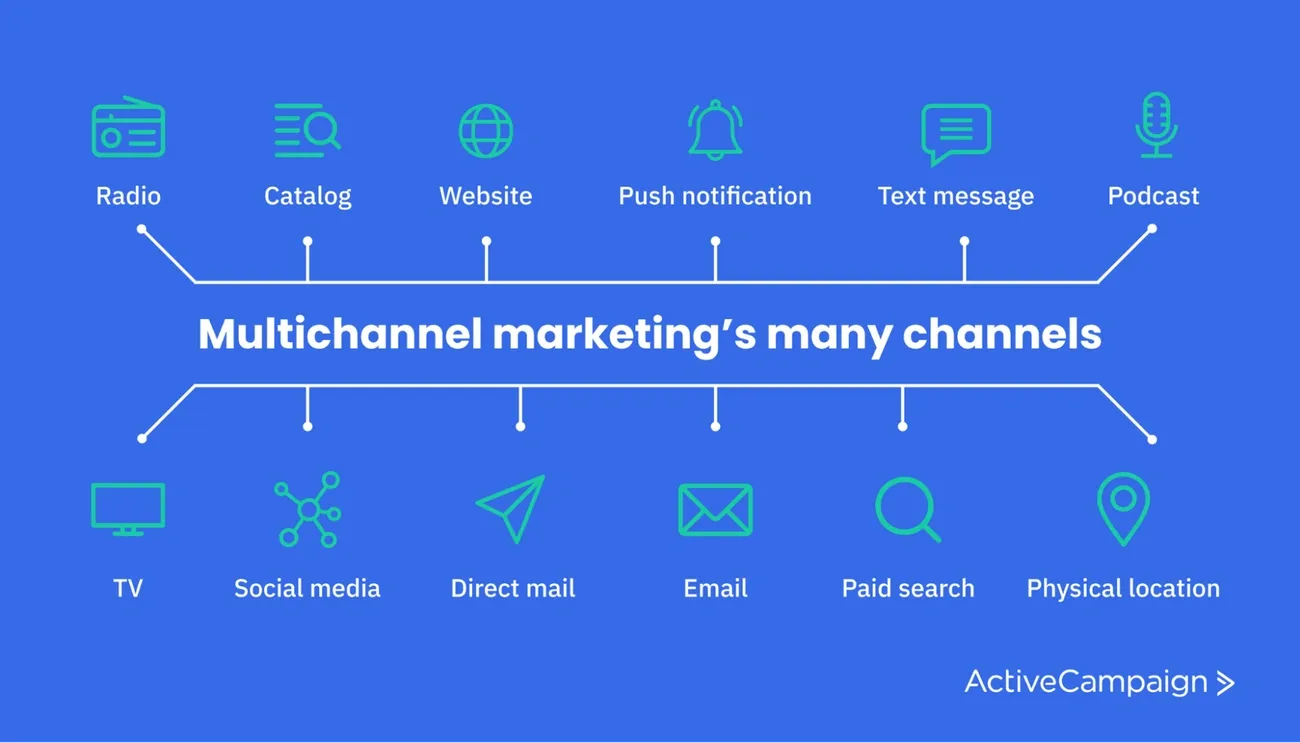 The life-blood of successful sales lies in reaching customers on their terms. Multi-channel selling puts your products on platforms of all types. This strategy helps you expand market reach and match your customers’ priorities. Research shows businesses using multi-channel strategies keep almost 89% of their customers. These numbers make it a vital part of optimizing your sales process.
What multi-channel selling looks like
Multi-channel selling covers multiple touchpoints in both digital and physical spaces. These channels typically include:
- Online marketplaces (Amazon, eBay, Etsy)
- Industry-specific platforms (GoDirect Trade for aerospace, SevenFifty for wine)
- Social media (Facebook, Instagram, Pinterest)
- Physical retail locations and pop-up shops
- Company websites and mobile apps
The difference between thriving and struggling multi-channel strategies boils down to smart integration. Multi-channel selling creates chances for influential messages that shape your customer’s trip. This might sound complex at first, but companies with strong multi-channel approaches see 30% higher customer lifetime value.
Training reps for different platforms
Your sales team needs targeted training for each channel’s unique features. Give them the knowledge about platform rules and what customers expect. Your reps should also know how to keep brand messaging consistent while working within each platform’s limits.
Platform-specific training helps reps understand unique buying behaviors. To name just one example, marketplace shoppers love comparing prices. About 89% check products on two or more marketplaces before buying.
How to measure channel effectiveness
Tracking success across channels needs solid measurement tools. Key metrics include:
- Partner revenue and contribution percentage
- Deal registration conversion rates
- Average sales cycle length per channel
Looking at these metrics helps distribute resources wisely. You can spot high-performing channels and direct more support their way through marketing resources, incentives, and training.
Multi-channel selling brings great benefits but also challenges like data inconsistency and tracking issues. Strong partner relationships and the right technology solutions help overcome these hurdles by bringing data together across platforms.
Comparison Table
| Strategy | Key Benefits/Effect | Implementation Tools/Methods | Success Metrics |
|---|---|---|---|
| Set Clear Sales Goals | Better sales efficiency and target achievement | SMART goals framework, SPM solutions | Sales efficiency up by 15%; quota achievement increased by 40% |
| Refine Sales Process Framework | Revenue up by 8%, quota achievement better by 25% | Customer trip mapping, playbooks, templates | Revenue grew 28% compared to random approaches |
| Implement Sales Methodology | Better deal qualification and stronger relationships | SPIN, Challenger, Solution, Consultative, MEDDIC, Sandler methods | 89% of B2B teams make methodology a priority |
| Sales Enablement & Training | Better seller results and retention | CRM systems, conversation intelligence tools, content management platforms | Coaching improved sales results by 8% |
| Streamline Sales Content | Less time searching content, better efficiency | Central content repository, AI-powered search, analytics tools | Unused marketing content dropped by 65% |
| Improve Customer Experience | More customers stay and convert | Consistent channels, tailored interactions, feedback tracking | Customer retention up 36%, conversion rates up 32% |
| Arrange Incentives | Better performance and strategic fit | Balanced pay mix, clear performance measures, achievable targets | Well-designed plans kept 36% more customers |
| Use Technology | Better efficiency and customer learning | CRM, sales engagement platforms, conversation intelligence tools | 66% of sales reps struggle with too many tools |
| Tailor Outreach | More revenue and participation | CDPs, AI content generation, email automation | Tailored approach brought 40% more revenue |
| Multi-Channel Sales | Better customer loyalty and market reach | Online marketplaces, social media, physical locations | Multi-channel approach kept 89% of customers |
Conclusion
Transforming Your Sales Approach With Strategic Optimization
The combined effect of all ten strategies we’ve explored creates an undeniably powerful boost to your sales performance. Companies with formal sales processes see 18% more revenue growth, which shows why optimization should be a priority, not an afterthought. Teams that methodically refine their sales operations consistently show better results – from 36% higher retention rates to 40% increased revenue from personalization efforts.
Your optimization strategy needs measurable goals and a customer-centric framework. The right methodology gives your team clear direction, and proper training helps them execute effectively. Teams often struggle because they miss the connection between these foundational elements. This creates disjointed experiences that frustrate sellers and buyers alike.
Your content strategy, incentive structure, and technology choices should work together seamlessly. Making all these improvements at once might feel overwhelming. Note that even small, step-by-step changes can produce substantial results. Many teams build momentum for bigger changes by focusing on one area at a time.
Top-performing sales organizations review their processes against ground results regularly. These organizations stay flexible enough to adapt as customer expectations change, even with their time-tested systems. You might find that personalization drives participation for your audience, while multi-channel approaches help build relationships with your entire customer base.
Want to raise your sales performance? Pick one of these ten optimization strategies that tackles your biggest challenge. Take action today – make one specific improvement to your current process. Your sales team needs tools and frameworks to strengthen their success, and your customers deserve experiences that truly meet their needs.
FAQs
Q1. How can I improve my sales process efficiency?
To enhance sales process efficiency, start by setting SMART goals and tracking key performance indicators. Implement a standardized sales methodology, provide ongoing training for your team, and leverage automation tools to streamline repetitive tasks. Regularly review and optimize your activities based on data and feedback from both sales reps and customers.
Q2. What are the key components of an effective sales strategy?
An effective sales strategy typically includes seven key steps: prospecting, preparation, approach, presentation, handling objections, closing, and follow-up. Each step plays a crucial role in guiding potential customers through the sales funnel and building lasting relationships.
Q3. How can I increase the value of each sale?
To boost the value of each sale, focus on upselling and cross-selling complementary products or services. Consider implementing product bundling strategies and loyalty programs to encourage larger purchases and repeat business. Tailor your offerings to meet individual customer needs and preferences for maximum impact.
Q4. What role does technology play in sales process optimization?
Technology is crucial in modern sales optimization. Implement CRM software to manage leads and track interactions effectively. Leverage sales automation tools to streamline repetitive tasks, freeing up time for more strategic activities. Use data analytics to gain insights into customer behavior and sales performance, enabling data-driven decision-making and continuous improvement.
Q5. How can I personalize my sales outreach at scale?
To personalize outreach at scale, utilize customer data platforms and AI-powered content generation tools. Implement email automation platforms with dynamic content capabilities to tailor messages based on customer preferences and behaviors. Consider using video messaging software for personalized screen recordings. Remember, even small personalization efforts can significantly boost engagement and conversion rates.

Runs the sales process, lead qualification, and client delivery that turn signals into qualified meetings.