
Lead Generation for IT Services Guide: From Zero to $1M in Client Deals [Real Case Study]

Lead generation for IT services guide shows why 34% of marketers just need lead acquisition as their top priority in the coming year. Tech companies face this challenge daily, standing out from competitors needs smart ways to attract qualified prospects.
Quality leads for technology companies need more than basic tactics. The mean cost per lead stands at $198.44 across industries, yet 9% of organizations pay $10 or less through optimized B2B lead generation tactics. IT & services organizations shine with impressive numbers, averaging 3,660 leads monthly and an 83% marketing qualified lead rate.
A real-life case study shows how an IT service provider transformed from zero to $1M in client deals. You’ll find the exact strategies they used, obstacles they conquered, and their method to scale success in different verticals. Content remains king as 76% of marketers use it to generate leads. The guide highlights content approaches that work best for technology and service businesses.
This detailed breakdown gives practical insights from tested methods, not theory. It helps businesses that struggle with low-quality leads or want to improve their current strategy.
The $0 to $1M Journey: A Real IT Services Case Study
Every tech success story begins by conquering major obstacles. This case study gets into how an IT services startup went from zero revenue to $1 million in client deals and reveals the strategic decisions that made the difference.
Original challenges and market conditions
The featured IT services company faced three major obstacles that threatened their survival at the time of launch. The team struggled to identify a specific problem to solve in a crowded marketplace where dozens of competitors offered similar services. The founders had extensive technical expertise but lacked business development experience.
“We knew how to build tools, but couldn’t express why clients should choose us,” the founder explained. The three-person team worked with bootstrap funding, which created the classic startup challenge, limited resources that needed ruthless prioritization.
On top of that, the market created its own hurdles. Enterprise clients hesitated to work with unproven vendors. This created a frustrating catch-22: they needed clients to build credibility but couldn’t get clients without it. The team focused on building a minimum viable service offering and finding early adopters willing to take a chance on them during this phase.
How the first lead was captured
Their breakthrough came through networking at industry events instead of complex marketing strategies. The founder attended a small regional IT conference. Rather than pitching their services directly, they focused on understanding what problems the attendees faced.
A manufacturing company struggling with an outdated inventory management system caught their attention during a roundtable discussion. The team proposed a small-scale audit of the current system instead of offering a complete solution right away, they applied an MVP approach to services.
“We offered to solve one very specific pain point as a starter project,” noted the CTO. This micro-engagement strategy let the client test their expertise with minimal risk. They priced the project low to build relationships rather than immediate profit. This approach ended up creating their first major client relationship.
Key turning points in the growth trip
Several pivotal moments reshaped this struggling startup into a million-dollar company. The first big change happened when they stopped trying to be everything to everyone. The team found that they excelled at solving supply chain technology challenges for manufacturing companies after analyzing their early projects.
They narrowed their focus to this niche, which helped them build specialized expertise and targeted marketing materials. This specialization made their lead generation much more effective.
The systematic referral program became another turning point. They created a formal process to ask for introductions to other potential clients with similar challenges after completing successful projects. This approach generated 40% of their new business during their critical growth phase.
The final boost came from expanding into adjacent verticals. They identified logistics companies as their next target market after establishing credibility in manufacturing. These businesses shared similar technology challenges but represented an untapped market.
The team’s culture grew more important throughout this trip. They hired new team members based on their problem-solving mindset rather than just technical skills. This careful attention to cultural fit helped maintain quality as they scaled.
Building a Lead Generation Engine for IT Services
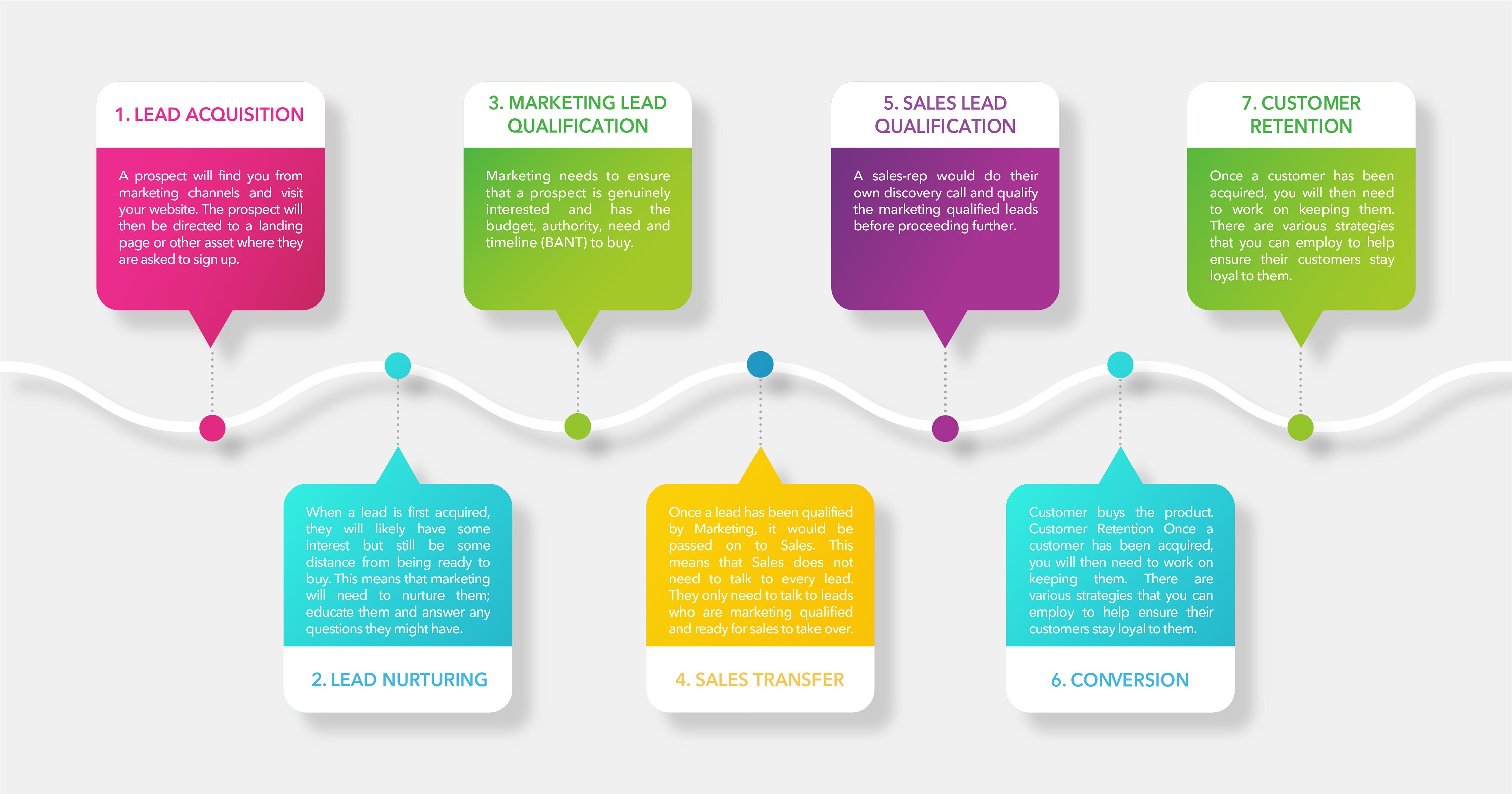
A well-planned approach to quality lead generation sets successful IT service providers apart from those who struggle to find new clients. The right foundation will give you the tools to attract and convert prospects quickly.
Choosing the right channels: content, email, and SEO
Smart IT service providers put their efforts into channels that work instead of trying to do everything. Content marketing shines especially when you have limited resources, it costs 62% less than traditional marketing and brings in 3x more leads per dollar.
Start by creating educational blog content about common IT challenges and technology best practices. Your content should inform and connect with customers, especially in the early stages of marketing. This shows your expertise and draws qualified visitors to your website.
Email marketing works hand in hand with your content strategy and pays off well, you can expect ROI at $36 for every $1 spent. Break down your subscriber list into groups to send targeted messages, which helps boost open rates and keeps customers happy. Your IT services can benefit from:
- Email sequences that help prospects through their buying process
- Strong calls-to-action that encourage booking consultations or downloading whitepapers
- Regular checks on open rates and click-through numbers
SEO deserves your attention too, so clients can find you when looking for tools. Research shows 87% of customers start their product search online. Make your content stand out with relevant keywords like “managed IT services” or “cybersecurity consulting”.
Setting up a lead capture system
You need a quick way to turn website visitors into leads once they find your content. Strategic form placement on your website creates the backbone of this system, you collect information while giving value back.
Your tools need to work together smoothly. Lead capture systems should send data straight to your CRM where every team can see it. This cuts out the hassle of switching between systems and stops manual entry mistakes that many IT companies face.
Your system might include:
- Simple web forms that work without coding
- Special landing pages that convert well
- Automatic email responses based on visitor actions
Tech companies see great results with gated content. You can trade valuable materials like white papers, recorded webinars, or technical guides for contact details.
Tracking and measuring lead quality
Numbers alone won’t stimulate growth; 54% of marketers say better lead quality is their biggest challenge. Quality means how likely someone is to become a paying customer.
Look at these three quality factors:
Relevance: See how well leads match your ideal customer profile (ICP). Look beyond basic facts like location and company size to check advanced indicators such as tech usage and buying signals.
Engagement: Watch how leads respond to your follow-up content. Keep track of email opens, click-through rates, webinar attendance, and sales team contact.
Conversion potential: Look at how many leads turn into meetings, then into sales and revenue. Compare your cost-per-lead against revenue per lead to understand real value.
Set clear key performance indicators (KPIs) for your IT company, including organic traffic, traffic-to-lead rate, click-through rate, and cost per lead. Check these numbers often to put your resources where they work best.
Regular checks with your marketing team help focus on quality over quantity. You can adjust your targeting, content, or channels based on evidence-based results.
Tactics That Delivered Results

Your valuable materials placed on third-party platforms help reach technology decision-makers where they spend their time. This strategy extends your content’s lifespan beyond your website and reaches niche audiences otherwise inaccessible. Professional publications, technology news sites, and B2B marketplaces make excellent syndication partners for IT services.
Google Siemplify’s success story shows 4x more leads and a 50% lead-to-opportunity ratio through strategic content syndication. The best results come from filtering leads through specific criteria like industry and job titles, which ensures connections with motivated buyers.
Running targeted LinkedIn campaigns
LinkedIn provides unmatched access to over 1 billion professionals in a business context, perfect for IT services marketing. The platform’s robust targeting capabilities help you reach prospects based on:
- Job titles and functions
- Company size and industry
- Geographic location
- Professional interests
LinkedIn members have professional incentives to keep their profiles accurate, which provides reliable targeting data. The best results come from combining audience targeting criteria to build your ideal persona, including IT decision-makers and C-level executives.
Utilizing email sequences for nurturing
Strategic email sequences guide prospects through your sales funnel effectively. Research reveals nurtured leads make 47% larger purchases than non-nurtured leads. Segmented email campaigns generate 4-10x more responses than standalone blast emails.
Successful nurturing depends on individual-specific experiences, addressing specific pain points and delivering relevant content based on prospect behavior. Studies show 80% of customers buy more often from brands providing individual-specific experiences. Your sequences should progress naturally and move recipients closer to conversion with each message.
Offering free tools to drive engagement
Free resources work as powerful lead magnets while showing your expertise. Security assessments, managed service trial packages, or informative webinars on relevant IT topics are great options. These risk-free chances allow potential clients to experience your value before making financial commitments.
Technology companies find this approach especially effective since prospects might hesitate to invest large sums right away. Free trials let them see how your services work and the benefits they provide, evidence that often leads to purchase decisions.
Overcoming Common Roadblocks in Tech Lead Generation
Tech companies face unique roadblocks that can derail their best lead generation strategies.
Dealing with low-quality leads
Sales teams waste valuable time and resources chasing poor leads instead of focusing on better prospects. Research shows that sales teams rank poor lead quality as their top complaint when receiving inbound leads from marketing.
A good lead scoring system evaluates prospects based on their engagement, demographics, and purchase intent. Your sales reps can tailor their outreach to high-priority leads and save time while getting better responses.
These quality measures will help:
- Set clear standards that define high-quality leads for your IT services
- Monitor website engagement like document downloads and page visits
- Use query forms that capture qualification details
- Check which lead sources show clear ROI and drive intent
Getting sales and marketing teams to work together
Teams often clash during lead handoff because 62% of companies define qualified leads differently across departments. This creates inefficient customer interactions.
Better teamwork improves the buyer’s experience by enhancing interactions and helping prospects make informed decisions. Here’s how to encourage better alignment:
- Build a lead-scoring system both teams support
- Hold weekly meetings to share feedback and review goals
- Use shared CRM tools to keep everyone in sync
- Create clear handoff processes with defined roles
Making follow-ups faster and more personal
Companies that respond to leads within five minutes see contact rates jump by 900%. Yet only 7% of companies meet this standard. This leaves a huge chance for improvement.
Automated systems can help. They assign and route leads quickly while removing manual bottlenecks. But speed isn’t everything, personalization matters just as much.
Prospects respond better to customized content in emails and outreach. Focus on their specific challenges rather than generic pitches about IT services. This shows you understand their problems and positions you as someone who can help solve them.
Scaling from 100K to $1M in Deals
The $100K milestone in deals is just the start of your IT services growth. Your path to $1M needs strategic improvements, not just scaling up current operations.
Refining the ICP and buyer journey
Your Ideal Customer Profile needs reassessment as your capabilities grow. A well-laid-out ICP changes with your product offerings and market conditions. Your capability to manage 10,000+ user accounts might expand your ICP from commercial clients to mid-market enterprises.
Precise mapping of your buyer’s touchpoints influences key decisions. This visual representation helps you spot where prospects drop off and ways to improve engagement. Buyers in the IT services space typically take weeks or months to move from awareness to purchase.
Using intent data to prioritize outreach
Intent data changes how you prioritize by showing which prospects actively research tools. B2B buyers conduct independent research 77% of the time before they talk to salespeople. You should focus on:
- Accounts that research your specific services
- Buying groups with sustained engagement
- Prospects who compare your tools with competitors
This strategy lets you work efficiently by focusing on accounts that show real interest in late-stage topics.
Automating lead scoring and qualification
AI-driven lead scoring helps you review potential customers based on their conversion likelihood. Companies see a 40% boost in sales efficiency with AI-driven scoring. Your scoring model should combine:
- ICP fit (right size, industry, job role)
- Behavior (engagement with emails, content downloads)
- Intent signals (active research activities)
Clear thresholds help categorize leads and focus sales efforts on high-intent prospects.
Expanding into new verticals
Your credibility in one industry opens doors to adjacent markets with similar technology challenges. The case study company moved successfully from manufacturing into logistics by using their supply chain expertise. Successful expansion requires team members who share your problem-solving culture rather than just technical skills.
Performance data should guide your strategy refinements to stay current with market conditions.
What This Case Study Teaches About Lead Generation for IT Services
Transform Your Tech Lead Generation Strategy
A successful IT services lead generation machine needs a strategic plan, not random efforts. This case study shows how a company went from zero to $1M in revenue by fine-tuning their approach. Their success came from knowing their ideal customer, using targeted channel strategies, and tracking results consistently.
Tech companies often face issues with lead quality more than quantity. Your team needs clear qualification parameters and lead scoring systems that everyone supports. Sales and marketing teams that arrange around shared definitions eliminate handoff issues. This lets prospects flow smoothly through your pipeline.
Note that scaling demands continuous progress. Strategies that got you to $100K might need adjustments to reach $1M. You’ll need to regularly review your ICP, make use of information from intent data, and learn about adjacent verticals. Keep your problem-solving culture strong. Tech companies that personalize their approach despite higher volumes stay ahead of competitors.
Do you want to put these strategies into action but need expert help? Our team creates custom lead generation strategies for IT service providers. We’ve guided dozens of companies to achieve similar results by adapting tested methods to their unique value propositions and target markets.
The gap between struggling and thriving tech companies often comes down to how well they execute. Companies that systematically implement these strategies and refine them based on performance data outperform their rivals. Take action today – your trip from your current position to your next revenue milestone starts with these tested tactics.
Start mastering lead generation with our free guide at GrowLeads.io!
FAQs
Q1. What are the most effective channels for IT services lead generation?
Content marketing, email campaigns, and SEO are tested channels for IT services. Content marketing costs 62% less than traditional marketing while delivering 3x more leads per dollar. Email marketing offers an impressive ROI of $36 for every $1 spent. SEO ensures potential clients find you when searching for tools online.
Q2. How can IT service providers improve lead quality?
Implement lead scoring to evaluate prospects based on engagement, demographics, and purchase intent. Establish clear parameters for high-quality leads, track website engagement metrics, use query forms to capture qualification information, and regularly review lead sources that drive intent and show clear ROI.
Q3. What role does personalization play in IT services lead generation?
Personalization is crucial for effective lead nurturing. Customized content encourages prospects to engage with your outreach. Focus on addressing specific problems rather than delivering generic pitches. This approach demonstrates understanding of their challenges and positions you as a solution provider.
Q4. How can AI be used for lead scoring in IT services?
Implement AI-driven lead scoring to evaluate potential customers based on their likelihood to convert. Companies using AI-driven scoring see a 40% boost in sales efficiency. Your scoring model should combine ICP fit, behavior, and intent signals. Set clear thresholds to categorize leads, focusing sales efforts on those demonstrating high purchase intent.
Q5. What strategies help in scaling from $100K to $1M in IT service deals?
To scale effectively, refine your Ideal Customer Profile as your capabilities expand, use intent data to prioritize outreach, implement automated lead scoring and qualification, and consider expanding into adjacent verticals. Continuously refine your approach based on performance data to ensure your growth strategy remains aligned with evolving market conditions.

Builds the demand intelligence, automation, and deliverability systems behind Growleads pipeline.