
What Every B2B Brand Should Know About Email Scrubbing Strategy
 Your email scrubbing strategy might be the key difference between marketing success and failure. A recent study of six billion emails showed that only 57% of email addresses were valid and safe to use.
Marketing lists typically lose about 22% of contacts each year as people change jobs, switch email providers, or leave old addresses behind. Without regular updates, almost a quarter of your B2B database becomes useless yearly. Regular email hygiene can boost open rates by up to 50% and transform your engagement metrics completely.
Picture this: sending emails to invalid addresses works just like mailing brochures to empty buildings. This practice wastes resources and hurts your sender’s reputation with bounced messages. Email experts recommend keeping bounce rates under 0.5% to protect deliverability, yet 39% of marketers rarely clean their lists.
This piece shows you the best email list hygiene practices to protect your reputation, boost campaign results, and get the most from your marketing budget. You’ll find practical strategies to use right away, whether you don’t deal very well with high bounce rates or want to improve your current email hygiene system.
What Email Scrubbing Means for B2B Brands
Email scrubbing plays a vital role in B2B marketing campaigns. Your campaign success and communication effectiveness depend on proper email list hygiene.
Definition and purpose of email scrubbing
Email scrubbing does more than manage lists. The systematic process identifies and removes poor-quality email addresses from your database. Your database needs cleaning to remove unengaged subscribers, invalid addresses, duplicates, and potential spam traps. The process ensures your messages reach prospects who actually want to hear from you.
Email scrubbing works like a regular health check-up for your marketing database. Regular email verification prevents deliverability problems, just as preventive healthcare helps avoid medical issues. A good email scrubbing strategy maintains a clean list of active users who show real interest in what you offer.
How email list hygiene affects B2B marketing
Bad email list hygiene creates a domino effect of problems in your marketing. High bounce rates above 2% signal that your database needs cleaning right away. Your sender reputation takes a hit when you keep messaging invalid addresses. Email providers might even block or deprioritize your messages.
Clean email lists, however, bring clear benefits:
- Improved deliverability: Better sender scores lead to more inbox placements.
- Boosted engagement metrics: Clean lists can boost open rates by up to 50%.
- Resource optimization: You save money by sending only to engaged contacts.
- Better reporting: Your metrics become clearer without inactive subscribers.
Most email platforms base their charges on subscriber count. Removing unengaged contacts cuts costs and boosts results simultaneously.
Why B2B lists decay faster than B2C
B2B contact data deteriorates rapidly, reaching 70.3% annually according to research. Starting January with 10,000 contacts might leave you with just 3,000 usable ones by December.
B2B professionals change jobs, companies, and contact details more often than regular consumers. Business card analysis revealed surprising changes within a year:
- 65.8% changed their job title or function
- 42.9% changed their phone number
- 37.3% changed their email address
- 29.6% moved to different companies entirely
B2B marketers face a unique challenge with work emails becoming invalid after employees leave. These abandoned addresses increase bounces, damage sender reputation, and waste resources.
List brokers usually estimate decay rates around 25-30%. These numbers miss the mark since they only count people leaving companies, not internal position changes that affect contact data.
B2B brands need a strong email scrubbing strategy. Regular verification helps track viable contacts while removing those that could hurt your deliverability and campaign results.
The Real Cost of Ignoring Email Hygiene
“Email list cleaning and scrubbing plays a pivotal role in ensuring your messages reach the inbox, instead of wasting money sending emails to the spam folder.”
, Kickbox Team, Email verification and deliverability experts
Your B2B brand pays a heavy price for neglecting its email list. Stats show that 39% of senders don’t bother with email list hygiene. This puts their entire email marketing strategy in jeopardy. The fallout goes way beyond minor hassles, it hits your bottom line and marketing results hard.
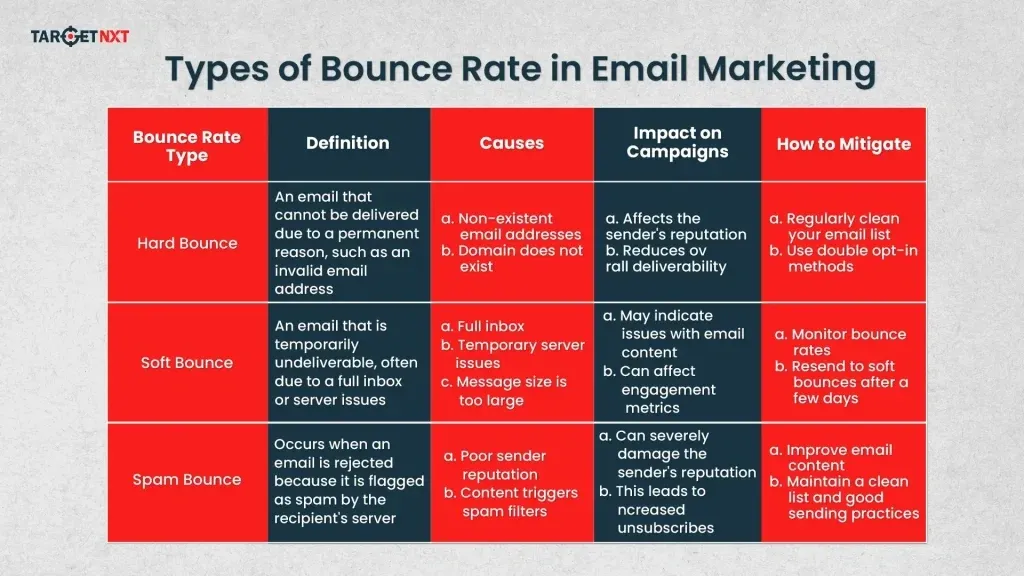
High bounce rates and spam complaints
Bounce rates tell you when your email hygiene needs work. Marketing experts say bounce rates over 2% should worry you, while anything above 5% means you’re in hot water. The math is straightforward: (Number of bounced emails / number of emails sent) × 100 = your bounce rate percentage. A well-run email marketing program keeps bounce rates under 2%.
Spam complaints can really hurt you. Email providers don’t mess around anymore, Gmail and Yahoo won’t accept spam complaint rates above 0.3%. The big players in the industry want you to stay below 0.1% to keep your sender reputation safe. These numbers matter a lot, go over these limits and your emails will likely end up in spam folders.
Damaged sender reputation and deliverability
Bad email hygiene ruins your sender reputation, that score email providers give your domain based on how you send emails. Things can go south quickly:
- Your intended inbox misses 17% of marketing emails [link_2], which means lost chances
- Too many bounces can get your mail server blacklisted
- Data from Validity shows each wrong record costs about $100 when you add up all the problems it causes
A damaged sender reputation takes ages to fix. Your future campaigns suffer no matter how good your content is. Spam traps make things worse, these are old email addresses that providers now use to catch spammers. Hit one of these and your domain’s reputation takes a serious hit.
Wasted budget on disengaged contacts
Bad email hygiene hits your wallet hard. Here’s what you need to know:
Email spam costs businesses $20.5 billion each year [link_3], with companies having messy lists taking the biggest hit. You pay email platforms based on list size, so you’re throwing money away on bad contacts. This waste adds up when you count the resources you spend on campaigns that nobody sees.
B2B data goes bad faster than you’d think. About 2% of your email list becomes useless every month. This means you’ll lose almost 25% of your database in a year if you don’t maintain it. B2B companies have it even worse because people change jobs and roles so often.
Sending emails to dead addresses doesn’t just waste today’s marketing budget, it makes future campaigns less effective by hurting your sender reputation and delivery rates.
Step-by-Step Email Scrubbing Strategy
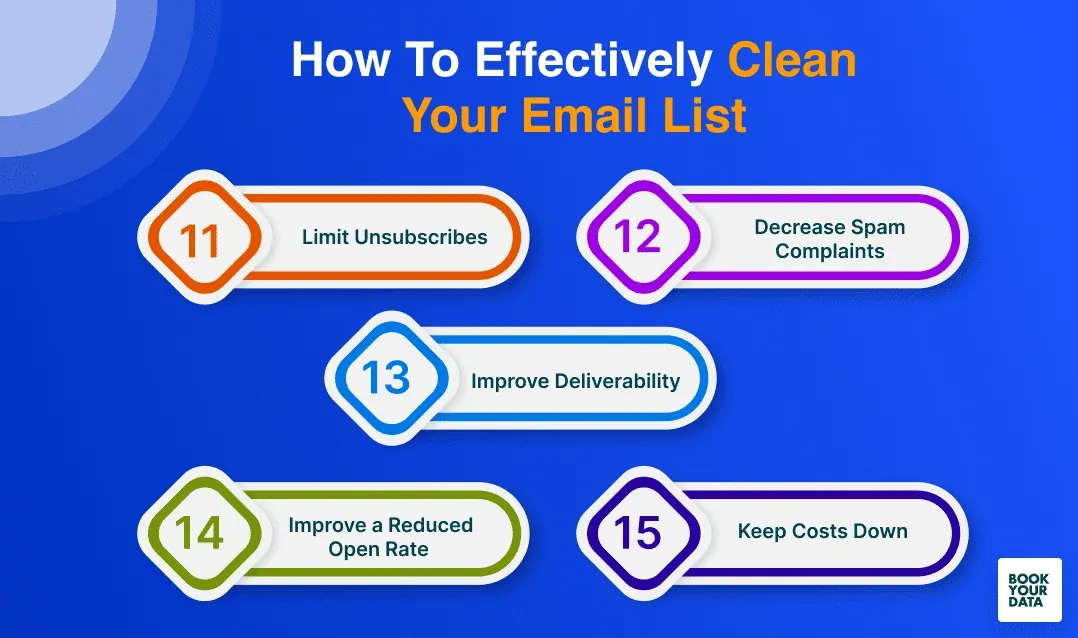
A systematic approach works better than occasional cleanup efforts to keep your B2B email lists clean. These five key steps will help you maintain a healthy email list and boost your marketing results.
1. Identify inactive and invalid emails
Your business context should define what makes a subscriber inactive. B2B companies usually set inactivity periods between 3-12 months, depending on their sales cycle length. Companies that send frequent emails tend to use shorter timeframes. Businesses with longer sales cycles might need more time.
Email verification tools can spot problematic addresses with incorrect formatting, syntax errors, or non-existent domains. These tools check domain validity and ping email servers to confirm if addresses are still active.
2. Segment unengaged subscribers
After setting your inactivity criteria, group your subscribers based on how they interact with your emails. You might want to create segments like:
- “Least engaged” – Subscribers who never open or click
- “One-off engagers” – People who interacted once and disappeared
- “Non-buyers” – Long-term subscribers without purchases
This targeted approach works better than treating all inactive subscribers the same way. Your engagement metrics also teach you what content appeals to your audience, which helps improve future emails.
3. Remove hard bounces and duplicates
Hard bounces happen when emails fail permanently due to invalid addresses, unknown recipients, or non-existent domains. Expert advice suggests keeping bounce rates under 2% to protect your sender reputation.
Duplicate entries make your subscriber count look bigger and annoy people who get the same message multiple times. Most email platforms now offer tools that make finding and removing duplicates easy.
4. Run a re-engagement campaign
Try to win back inactive subscribers with targeted re-engagement campaigns before removing them. The most successful re-engagement emails include:
- Personal greetings with subscriber’s name
- Subject lines that drive action
- Clear value statements
- Special deals just for them
- Ways to share why they lost interest
Space 2-4 re-engagement emails appropriately. Start with a friendly reminder about your value, move to special offers, and end with a “last chance” message before removal.
5. Delete or archive unresponsive contacts
After trying everything to re-engage contacts, decide whether to remove those who stay unresponsive. Archiving lets you take contacts off your active marketing list while keeping their data for later. This method cuts costs but saves historical information you might need.
Set up this cleaning process every six months. Quality matters more than quantity in email marketing performance. A smaller list of engaged contacts will give you better results than a huge list of people who never respond.
Choosing the Right Email Scrubbing Services
The right tools can change your email scrubbing results dramatically. A solid cleaning strategy needs reliable email verification services to work well. Here are five top options that keep B2B email lists clean and accurate.
ZeroBounce
ZeroBounce excels with a 99% accuracy guarantee for most email providers, making it a reliable choice for B2B verification. This platform gives you complete validation that detects bounces, identifies abuse emails, and recognizes spam traps.
The system’s validation process uses military-grade encryption to protect your data. ZeroBounce’s speed is impressive – it can validate 100,000 contacts in about 45 minutes while keeping security tight.
The platform’s HIPAA certification makes it perfect for healthcare data, along with SOC 2 Type 2 and ISO 27001 certifications.
NeverBounce
NeverBounce takes a simple approach to email verification with quick results – it cleans 10,000 emails in just 3 minutes. Their unique 20+ step cleaning process checks each email up to 75 times from different locations worldwide.
The platform’s hybrid verification system stands out. It combines immediate verification with accept-all detection and spots problem addresses better than most other tools. You also get free duplicate removal and syntax correction before cleaning, which saves your verification credits.
EmailListVerify
EmailListVerify gives you a budget-friendly option – it costs 65% less than Hunter and 50% less than Voila Norbert according to their marketing. The service grew in 2024 to include email finding and lead enrichment.
The core verification technology stops hard bounces and gives you extra contact data at no cost, including names that help personalize your messages.
Hunter
Hunter’s Email Verifier runs complete checks at several levels: format validation, domain information, email server responses, and checks against their database of professional email addresses.
The verification happens without sending actual emails – it connects straight to recipient SMTP servers. Hunter says verified addresses marked as “valid” have bounce rates under 1%. You can validate up to 50 email addresses each month for free before buying a plan.
Snov.io
Snov.io uses a 7-tier verification process with immediate checking and simple controls. The system shows emails in three categories: valid (green), invalid (red), and unverifiable (orange).
Snov.io‘s anti-greylisting technology makes verification more accurate. The platform saves you money by not charging credits for catch-all emails. Their Chrome extension lets you verify addresses right from websites or social networks, which adds flexibility to your workflow.
Maintaining Email List Hygiene Over Time
B2B lists decay by 22.5% every year according to research. Your email database needs consistent practices to prevent deterioration. A one-time cleanup won’t be enough.
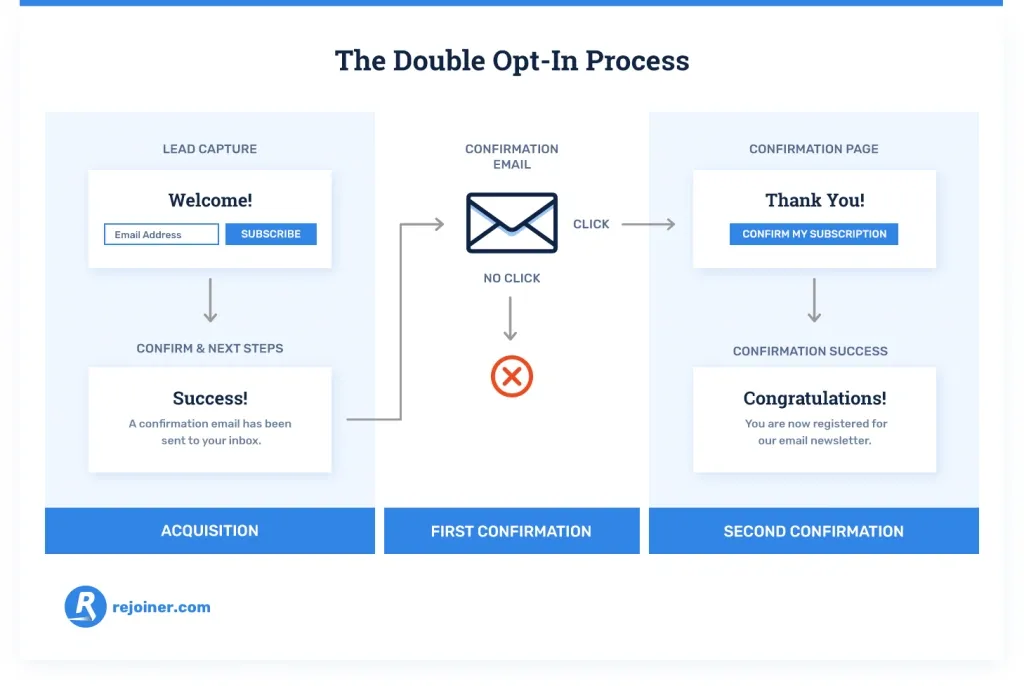
Use double opt-in for new signups
Double opt-in verification builds a strong foundation of list quality. Subscribers who confirm their email addresses through a verification link will give you a database of genuinely interested prospects. This extra step might slow things down but improves your metrics by a lot. These subscribers show higher involvement levels and protect you better against spam complaints.
The system filters out typos, fake addresses, and bot submissions automatically before they can hurt your sender reputation. Your list might grow slower this way, but you’ll get higher-quality subscribers who actually want your content.
Verify emails at the point of entry
Immediate email validation stops invalid addresses from getting into your database. Your forms can verify contacts right away when they submit their information. This approach spots format errors, invalid domains, and problematic addresses on the spot.
You can use several verification methods. These range from simple syntax checks to advanced SMTP verification that talks directly to recipient servers to confirm address validity. This protection saves you resources by stopping future deliverability problems.
Set a regular scrubbing schedule
Your list needs deep cleaning from time to time, even with preventive measures in place. Email marketing experts say you should clean your database at least every six months. This maintenance removes addresses that might have become invalid since your last check.
Regular cleaning spots subscribers who haven’t connected with your content in the six-month timeframe. This schedule keeps your list healthy and stops sender reputation damage from messaging invalid or unengaged contacts.
Monitor engagement metrics continuously
Tracking key metrics helps you spot potential hygiene issues early. Keep an eye on:
- Bounce rates: Stay below 2% to keep a good sender reputation
- Unsubscribe patterns: Look at which emails cause most unsubscribes
- Open and click-through rates: Lower engagement points to list problems
Lists that don’t get updated will deteriorate faster. Tracking these indicators between cleanings helps you find segments that need attention and maintain better deliverability. Email providers use engagement metrics more and more to decide inbox placement. This makes ongoing monitoring vital for successful B2B email marketing.
How Clean Lists Drive Better B2B Results
Clean email lists can reshape your B2B email marketing results in many ways. Your bottom line will show measurable results when you keep your lists up to date.
Clean data makes a real difference in how your emails land in inboxes. Good email hygiene means your deliverability rates can reach 98.16%. Your messages will reach the right people instead of ending up in spam folders. Lists that aren’t well-kept see one in six emails missing their target completely.
Clean lists make a big difference in how people interact with your emails. Companies that check their lists often see their open rates jump by up to 50%. This happens because you reach people who actually want to hear from you, not inactive contacts. Email providers notice when people engage with your content, which helps more of your future emails get through.
Money matters tell a compelling story too. Email providers charge based on how many subscribers you have. Every email sent to a wrong address wastes your marketing budget. Regular list cleaning saves money and gives you better returns. A well-kept email list helps you avoid the $100 cost that each wrong record creates.
Clean lists let you target your audience better. Verified contact data means you can group people more precisely and send content that strikes a chord with specific business needs. This personal touch leads to more conversions and better customer relationships. Emails tailored with accurate data work better than generic messages.
Your sender reputation matters for email marketing success. Clean lists help you keep bounce rates below 2%, which shows ISPs you’re trustworthy. This protects your emails from landing in spam folders and keeps your digital credibility intact.
Good data helps you test, improve, and analyze better. Clean contacts give you real insights about how your audience responds, not numbers skewed by bad data. This clarity helps you make smarter choices for future campaigns and marketing investments.
Boost your B2B leads with a solid email scrubbing strategy at GrowLeads.io!
FAQs
Q1. What is email scrubbing and why is it important for B2B brands?
Email scrubbing is the process of cleaning and maintaining your email list by removing invalid, inactive, or unengaged contacts. It’s crucial for B2B brands because it improves deliverability, enhances engagement metrics, optimizes marketing budgets, and protects sender reputation.
Q2. How often should B2B companies clean their email lists?
Most email marketing experts recommend scrubbing your B2B email list at least every six months. However, given the rapid decay rate of B2B contact data, more frequent cleaning may be beneficial, especially for companies with larger databases or more frequent email campaigns.
Q3. What are the consequences of neglecting email list hygiene?
Neglecting email list hygiene can lead to high bounce rates, increased spam complaints, damaged sender reputation, poor deliverability, and wasted marketing budget on inactive or invalid contacts. It can also result in inaccurate campaign performance metrics and reduced overall marketing effectiveness.
Q4. What steps should be included in an effective email scrubbing strategy?
An effective email scrubbing strategy should include identifying inactive and invalid emails, segmenting unengaged subscribers, removing hard bounces and duplicates, running re-engagement campaigns, and ultimately deleting or archiving persistently unresponsive contacts.
Q5. How does maintaining a clean email list improve B2B marketing results?
Maintaining a clean email list improves B2B marketing results by increasing deliverability rates (up to 98.16%), boosting open rates (by up to 50%), optimizing marketing spend, enabling better audience segmentation and personalization, protecting sender reputation, and providing more accurate performance metrics for campaign optimization.

Builds the demand intelligence, automation, and deliverability systems behind Growleads pipeline.