
LinkedIn Outreach Strategy That Got Me 127 B2B Leads in 30 Days [2026 Guide]

LinkedIn outreach strategy has become crucial for B2B prospecting. The platform generates 80% of all B2B leads from social media and delivers 277% better results than Facebook or Twitter. Sales professionals still face challenges with LinkedIn’s growing activity and complexity – about 42% of them struggle. I dealt with these same issues until I created a systematic approach that brought in 127 qualified B2B leads in just 30 days.
My success story has solid data behind it. My LinkedIn lead generation tactics showed that personalized connection requests boost acceptance rates by 55%. Structured message sequences improve conversion by 15% compared to single messages. The results got even better when I combined B2B lead generation LinkedIn methods with email and advertising. This multi-channel approach tapped into 287% higher purchase rates. These six tested strategies will help you turn your LinkedIn outreach from random connections into a predictable lead generation machine. You’ll learn exactly how to generate B2B leads on LinkedIn without wasting time on cold outreach that leads nowhere.
1. Define and Target High-Intent Accounts
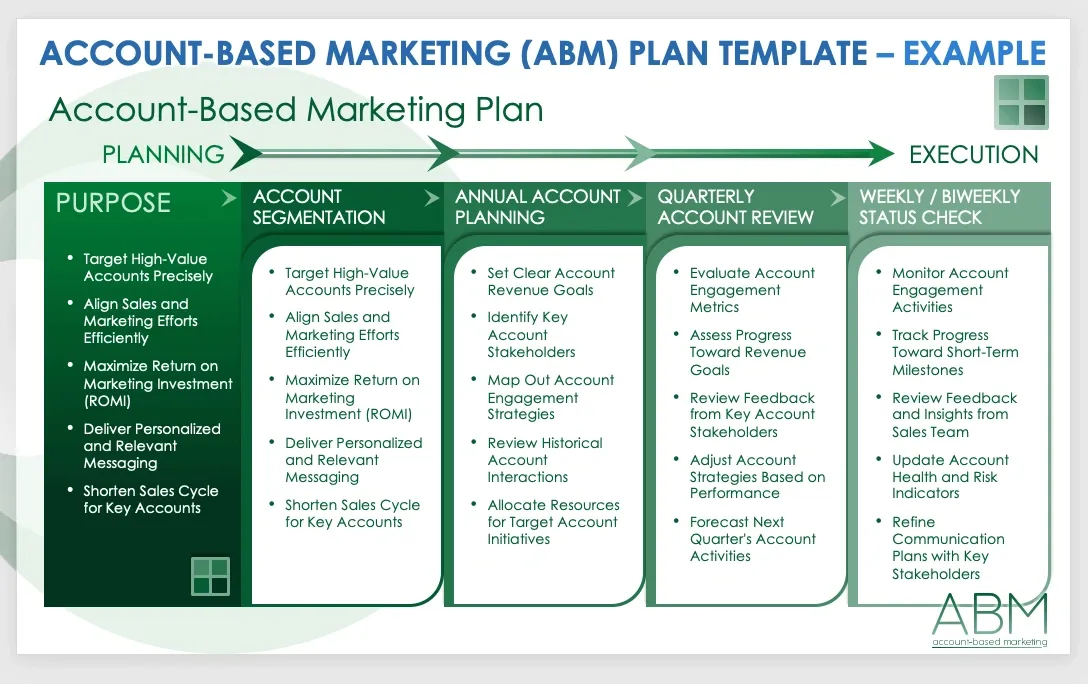
Image Source: Smartsheet
My successful linkedin outreach strategy builds on precision targeting. High-intent accounts yield better conversion rates and shorter sales cycles, so I target them specifically instead of casting a wide net. Companies with well-defined ideal customer profiles win 68% more accounts compared to those with unclear targeting.
Use account-based marketing principles
Account-based marketing (ABM) turns traditional lead generation on its head. My approach starts by picking specific high-value accounts matching my ideal customer profile. This laser-focused method puts marketing and sales resources exactly where they’ll generate maximum returns.
ABM proves its worth by helping my team avoid wasting resources on unqualified clients. We put our energy into best-fit accounts. Sales qualification becomes much easier because prospects receive individual-specific messaging after careful vetting.
My linkedin lead generation becomes more impactful when I make use of information about intent. Buyers receive targeted ads based on their online behavior right when they’re ready to purchase. LinkedIn’s reliable analytics help me spot buying committee stakeholders at every level, from IT specialists to C-suite executives.
Create tiered account lists
My potential accounts fall into three strategic tiers based on firmographic data (industry, location, company size) and technographic data (their current tools):
- Tier 1 – Core Accounts: These “whale” accounts fit my solution perfectly and drive most business growth. My top salespeople lead highly personalized outreach. These accounts mirror my best current customers and deserve maximum investment.
- Tier 2 – Essential Accounts: These “big fish” prospects match most criteria with one or two differences from ideal customers. They remain vital for steady progress and revenue. Semi-automated strategies work well here, with SDRs handling personalized outreach.
- Tier 3 – Additional Opportunities: These “small fish” accounts bring extra revenue without needing intensive resources. Expandable, automated linkedin outreach campaigns work best for this tier.
LinkedIn Sales Navigator helps me search for companies matching my ICP criteria. Cognism’s Sales Companion spots growth signals like new funding or hiring trends. These signals show buying readiness and help time outreach perfectly.
Target multiple stakeholders per company
B2B marketing differs from B2C mainly because business purchases involve multiple decision-makers. Typical buying groups have six to ten stakeholders. Each person checks four to five information sources before deciding.
“Multi-threading” powers my most effective b2b lead generation linkedin strategy. This means targeting multiple stakeholders in each target company. Different roles bring different priorities and pain points.
C-level executives make final decisions but rely heavily on input from department heads, technical specialists, end users, and finance officers. Each stakeholder views my offering differently based on their role.
Target Buyers (product experts) matter, but LinkedIn research shows Hidden Buyers (process experts) have similar influence. Competitors often miss these Hidden Buyers who care more about risk-mitigation than features and innovation.
Custom messages addressing specific concerns for each stakeholder help build consensus – the main goal of B2B marketing according to LinkedIn research. This strategic focus on multiple decision-makers in high-value accounts drives my linkedin lead generation success.
Strong connections with entire buying committees, not just individuals, significantly boost my chances of closing deals with ideal prospects.
2. Time Your Outreach Using Signal Data
Timing plays a bigger role than expected in your linkedin outreach strategy. I found that reaching out to prospects at the right moment makes conversion rates jump. My data shows signal-based outreach gets 3-4x higher reply rates and 2.8x better meeting conversion than regular methods.
Monitor funding rounds and job changes
The best windows in b2b lead generation linkedin open up during company changes. New funding announcements tell us about fresh budgets and growth plans. A cybersecurity company saw their conversions rise by 20% just by reaching out right after funding rounds.
Job changes create great chances too. LinkedIn reports 62% of American professionals wanted new jobs in 2022. These moves create perfect buying moments because:
- New leaders want quick wins with fresh budgets
- Past customers at new companies are warm leads
- People leaving create gaps at their old companies
Job change tracking is now central to my linkedin lead generation plan. Past buyers are my easiest wins – they know my product and want to review tools at their new workplace.
Use tools like Cognism Sales Companion
Tracking signals across hundreds of accounts by hand gets messy fast. That’s why I use specialized tools. Cognism’s Sales Companion helps me spot companies that might need what I offer.
The tool gives me company and contact details plus vital signals like:
- Latest funding or investments
- New executive leaders
- Team growth in areas that matter to us
- Product launches or tech updates
Sales Companion stands out because it suggests which companies and contacts to approach next. Unlike basic outreach tools, it spots companies that show real buying interest based on their online activity and content engagement.
B2B contact lists go bad at 3% each month as people switch jobs and update details. Your contact list could be one-third wrong in just a year! The right tools keep your outreach fresh and on target.
Reference signals in your message
Good signals should shape your linkedin outreach messages. Let’s say a prospect gets promoted. I might write: “Hi Sarah, congrats on the promotion! Building a team takes work, I’d love to show you how we helped similar teams optimize their work”.
This turns cold linkedin cold outreach into real conversations. My messages show I understand what’s happening with the prospect. When I see a company get funding, I say something like: “I see you’ve expanded into EMEA – our clients often need stronger data tools at this stage”.
Speed matters in how to generate b2b leads on linkedin. Data shows that a five-minute response time makes conversion 400% more likely. My follow-up plan works like this: Connect (Day 0), first message (3-5 days after), second message (5-7 days later).
A company tried this signal-based approach with 4 steps over 14 days. Their response rates jumped from 12% to 28%, creating 45 qualified leads worth $180,000. Using signals and perfect timing has turned my lead generation in linkedin from random connections into steady opportunities.
3. Automate LinkedIn Outreach at Scale
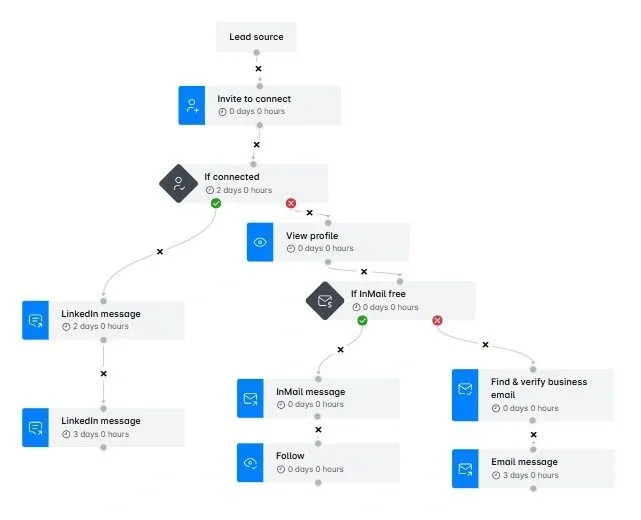
Image Source: Skylead
The right accounts and perfect timing needed a scalable approach. My manual outreach limited me to 20-30 prospects daily. Automation tools helped me connect with hundreds of prospects while keeping messages personal.
Use lemlist or Expandi for sequences
My linkedin outreach strategy became powerful after I started using automation tools. Expandi and lemlist are two platforms that gave me great results.
Expandi is a cloud-based LinkedIn automation solution that lets you run detailed outreach campaigns even when your computer is off. Your LinkedIn account stays safe with its country-specific proxy selection while scaling outreach. The platform works great to manage multiple client accounts from one dashboard without extra fees.
Lemlist started as an email platform and now excels at integrated linkedin lead generation. The platform combines LinkedIn actions with email sequences. The $99/month price point makes it available for smaller teams starting with b2b lead generation linkedin.
These platforms let you create multi-step sequences that feel natural. My campaigns now:
- Send personal connection requests with context-based notes
- Follow up based on how prospects respond
- Connect with my CRM for uninterrupted lead management
- Test different message templates to find what works best
These automation tools boosted my connection acceptance rates by a lot through systematic sequencing, which improved my linkedin lead generation results.
Include profile visits and voice notes
Messages and connection requests are central to linkedin outreach. I found that early engagement boosts acceptance rates. Profile visits work as subtle reminders before direct contact.
The strategy that changed my lead generation in linkedin involved automated profile visits 1-2 days before connection requests. This approach makes prospects familiar with your name and increases acceptance rates by about 15%.
Voice notes are powerful but underused. LinkedIn voice messages get 3-4x more engagement than text messages. Many automation tools support voice message sequences. Expandi does this feature well and lets you record personal introductions once to use them at scale.
My voice notes for b2b lead generation linkedin follow this pattern:
- Personal greeting with the prospect’s name
- Mention something specific like a mutual connection
- Ask something interesting about their role or industry
- Give a quick preview of value
- End with a simple next step
Set conditions based on lead behavior
Automation becomes powerful with dynamic sequences that adapt to how prospects interact. Lemlist and Expandi offer smart logic that makes conversations feel natural.
My linkedin outreach campaigns use conditions like:
- Send welcome message a day after accepted connection
- Share valuable content after 3 days of no response
- Send a personal note when prospects view my profile
These behavior-based triggers create natural interactions through automation. Lemlist users see 55% more responses with conditional sequences compared to basic ones. This makes them crucial for effective how to generate b2b leads on linkedin strategies.
My sequences work across multiple channels. The automation tools switch to email when LinkedIn messages don’t get responses. This creates multiple touchpoints that boost engagement.
Automation helps start conversations but should not replace them. Regular review of metrics helps adjust sequences based on how well they work. This keeps my linkedin cold outreach effective as platform behaviors change.
4. Combine LinkedIn with Email and Ads
My results suffer when I limit outreach to just LinkedIn. The best linkedin outreach strategy recognizes B2B buyers use multiple platforms during their decision process. Research shows businesses that use three or more channels in their campaigns achieve a 287% higher purchase rate compared to single-channel efforts.
Create multi-channel touchpoints
My most successful b2b lead generation linkedin campaigns blend LinkedIn with email and advertising. This combined method matches how modern buyers connect with brands, they interact with an average of 6.7 different social platforms monthly.
Success in this approach requires sequential touchpoints that strengthen my message:
- LinkedIn + Email: My first step connects with prospects on LinkedIn, followed by email references to our LinkedIn interaction. This method substantially improves response rates through layered communication.
- LinkedIn + Website Content: Prospects receive targeted website content after LinkedIn connections. This enhances lead nurturing and conversion tracking.
- LinkedIn + Voice: Personal calls complement digital touchpoints for high-value prospects. Some decision-makers prefer direct conversation over digital messages.
A cybersecurity client tried this multi-channel strategy and their engagement rates tripled compared to their previous LinkedIn-only approach.
Use retargeting for warm leads
After making first contact through linkedin lead generation activities, I use LinkedIn’s retargeting features to stay visible. LinkedIn retargeting shows tailored ads to people who showed interest, whether through company page visits, post engagement, lead form completion, or website visits.
This approach works well because it targets warm leads, people familiar with my brand who need a final push to convert. Smart retargeting reminds these prospects about tools and moves them closer to buying.
Scorpion Healthcare showed this method’s strength by creating a multi-touchpoint content strategy. They used LinkedIn Sponsored Content and retargeting to share expertise with existing customers and target audiences.
Sync CRM and ad audiences
My linkedin outreach strategy becomes complete by connecting my CRM system with LinkedIn’s advertising platform. This connection provides a complete view of prospect interactions across all touchpoints.
My process exports contacts from CRM to create LinkedIn Matched Audiences. This targets people who interacted with my company through various channels, not just website visits. The setup remains simple, upload an email list or connect through integration partners.
The synchronization of lead information between LinkedIn and CRM ensures valuable leads from LinkedIn campaigns flow into nurturing workflows smoothly. LeadsBridge makes this process automatic by combining leads from LinkedIn forms with CRM up-to-the-minute.
This integration also enables precise targeting through exclusion lists, which saves ad spend by avoiding users who already converted. Integration partners help maintain data privacy compliance by managing unsubscribed contacts automatically.
5. Optimize LinkedIn Lead Gen Forms
The best targeting and outreach strategies won’t work without optimized lead capture forms. Quality linkedin lead generation depends on how well you optimize your forms – something many people overlook during prospecting. My most successful campaigns have used lead gen forms that strike the right balance between being simple and getting quality leads.
Keep forms short and relevant
Your form’s length directly affects how many people complete it. LinkedIn’s data shows that forms with just 3-4 fields get way more submissions than longer ones. My experience shows that low form completions despite high click-through rates usually mean you’re asking for too much information.
The rule is simple: less is more. Your marketing team might want more lead data, but going beyond 4 fields puts people off and fewer leads come in.
Your forms should use LinkedIn’s auto-fill feature with fields already on user profiles (name, company, title). Studies show that adding just one custom question where people need to type can reduce submissions by 3-4%. Try to avoid asking for details like phone numbers that need manual typing.
Offer value like whitepapers or demos
The value you provide for contact information shapes both your conversion rates and lead quality. My best-performing b2b lead generation linkedin campaigns give away resources worth paying for – not just simple information from Google searches.
These gated resources always get good results:
- Industry frameworks tested in many campaigns
- Deep-dive case studies with clear results
- Live demos showing successful implementations
The thank-you page becomes crucial since LinkedIn forms don’t automatically send your content. Make sure you provide access links and clear directions right after submission.
Integrate with CRM for fast follow-up
Time matters most after someone fills out your form. Welcome emails get an amazing 82% open rate because people expect to hear from you right away.
Most CRM and marketing automation platforms work directly with LinkedIn Lead Gen Forms. This helps you manage hot leads automatically – a key part of how to generate b2b leads on linkedin successfully.
The sync feature helps keep your data fresh, which matters because B2B contact information goes bad at about 3% each month as people switch jobs or companies.
6. Track Metrics and Refine Your Strategy
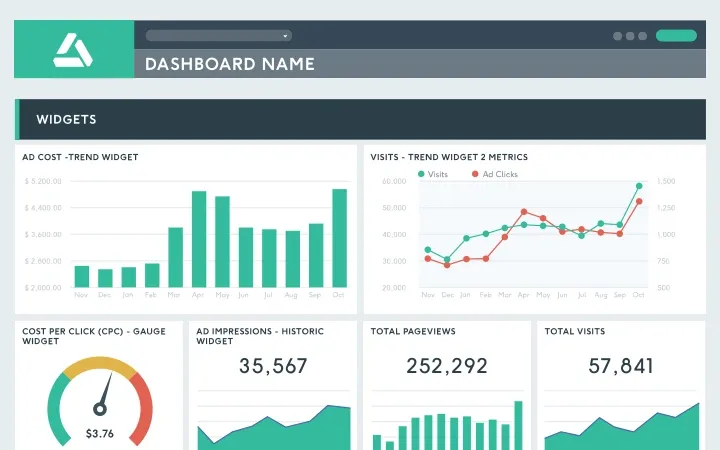
Image Source: DashThis
My linkedin outreach strategy foundation rests on measurement and refinement. The gap between average and exceptional results depends on evidence-based optimization.
Monitor acceptance and reply rates
The right metrics pave the way to success. My target for connection acceptance rates sits between 20-40%. Response rates between 5-10% show positive results. Meeting conversion rates aim for 30%, while final deal conversion at 5% signals success.
Most responses come quickly. We see 65% within 24 hours and 90% within one week. Monday shows slightly better results for sending messages. Messages sent Sunday through Thursday keep response rates within 1% of the global average. Saturday shows the lowest engagement.
A/B test messages and CTAs
Testing shapes my b2b lead generation linkedin efforts into better results. Companies that keep testing see 37% higher conversion rates than others. The key lies in changing one element at a time to identify what works.
Subject lines drive 49% higher open rates. Personalized messages work 15% better than bulk messages. Testing includes call-to-action wording, from direct meeting requests to softer approaches.
Adjust based on conversion data
Analytics tools help refine my lead generation in linkedin strategy. Google Analytics tracks website traffic and conversions from LinkedIn visitors. LinkedIn’s Conversion Tracking links business actions to campaigns.
Dollar values assigned to different conversion types help calculate exact ROI. Audience Insights explain which audiences create strong results, helping adjust targets.
My linkedin outreach keeps evolving through systematic measurement and optimization. This leads to higher quality leads and predictable outcomes.
Conclusion
LinkedIn outreach is one of the most powerful B2B lead generation channels today. I’ve shared six tested strategies that helped me generate 127 qualified leads in just 30 days. The gap between average and exceptional results comes from systematic execution rather than random activities.
Precise targeting of high-intent accounts builds the foundation for success. My tiered approach focuses on core, essential, and additional accounts to channel resources where they create maximum effect. The right timing of outreach based on trigger events like funding rounds or job changes turns cold connections into meaningful conversations.
Automation is the life-blood of effective LinkedIn prospecting. Tools like lemlist and Expandi help personalize at scale while conditional sequences adapt to prospect behaviors. LinkedIn works best with other channels. Multi-channel campaigns that combine email and advertising deliver almost three times higher purchase rates than single-channel efforts.
On top of that, optimized lead generation forms strike a balance between simplicity and data collection needs. Continuous measurement makes every part of the strategy better. Analytical insights from acceptance rates to final conversions create progressively better results over time.
These strategies are more than just theory, they are the foundations of a battle-tested system that delivers predictable B2B leads consistently. The LinkedIn landscape keeps changing, but these core principles work because they match how modern B2B buyers make decisions. This methodical approach will help you generate qualified leads who want to involve with your business, without wasting time on ineffective outreach.
Master your LinkedIn outreach strategy; visit GrowLeads.io for expert guidance!
FAQs
Q1. How can I effectively target high-intent accounts on LinkedIn?
Define your ideal customer profile and use account-based marketing principles to create tiered account lists. Focus on core accounts that perfectly fit your solution, and target multiple stakeholders within each company to increase your chances of success.
Q2. What’s the best way to time my LinkedIn outreach?
Use signal data to time your outreach. Monitor funding rounds, job changes, and other company events using tools like Cognism Sales Companion. Reference these signals in your messages to make your outreach more relevant and timely.
Q3. How can I automate my LinkedIn outreach without losing personalization?
Use automation tools like lemlist or Expandi to create personalized sequences that include profile visits, connection requests, and follow-ups. Set conditions based on lead behavior to make your automated outreach feel more human-like and responsive.
Q4. Is it beneficial to combine LinkedIn outreach with other channels?
Yes, combining LinkedIn with email and ads can significantly boost your results. Create multi-channel touchpoints, use retargeting for warm leads, and sync your CRM with ad audiences to create a cohesive experience across platforms.
Q5. How important is tracking metrics for LinkedIn outreach success?
Tracking metrics is crucial for refining your LinkedIn outreach strategy. Monitor acceptance and reply rates, A/B test your messages and CTAs, and adjust your approach based on conversion data. This data-driven optimization leads to progressively better results over time.

Builds the demand intelligence, automation, and deliverability systems behind Growleads pipeline.