
How to Master Automated Lead Generation While Keeping It Personal: A Step-by-Step Guide

Marketing automation helps companies achieve a 53% increase in first-time customer conversion rates. These numbers show a real automated lead generation revolution in today’s digital world.
Automation delivers impressive results, but the numbers tell another story: 84% of buyers prefer to purchase from companies that match their business goals. Modern B2B lead generation needs automation’s efficiency combined with personalization’s human touch.
Numbers paint a clear picture. The global marketing automation industry will reach $6.62 billion by 2024 with a 38.2% growth rate. Success demands more than just automation implementation – you need the right approach while you retain control of meaningful connections with prospects.
Want to automate your lead generation process without losing the personal touch? Let’s take a closer look at strategies that blend scale and authenticity in your lead generation campaigns.
The Evolution of B2B Lead Generation
Remember when B2B lead generation meant endless cold calls and expensive trade show booths? B2B lead generation has changed remarkably in the last decade. Manual processes have given way to sophisticated automated systems.
Traditional vs. automated approaches
B2B lead generation traditionally depended on direct human interaction. Sales representatives made dozens of cold calls daily and hoped to connect with potential clients. These conversations provided personal touch but only about 2% of calls converted to meaningful connections. Face-to-face opportunities came through trade shows and networking events that needed substantial investments of time and resources.
Other conventional tactics included:
- Direct mail campaigns that needed much upfront costs
- Manual data collection and entry prone to human error
- Generic email blasts with minimal targeting
- Referral programs that relied on existing customer relationships
These approaches created human connections but lacked efficiency. A study by Demand Metric revealed that 73% of B2B leads received irrelevant marketing messages through traditional methods. On top of that, it became exceptionally challenging to measure return on investment due to these manual processes that limited scalability.
Digital revolution changed lead generation completely. Content marketing became the life-blood strategy. Businesses positioned themselves as thought leaders through blogs, whitepapers, and case studies. Marketing automation platforms streamlined processes that previously needed hours of manual work.
Modern automated lead generation exploits artificial intelligence to analyze data, identify patterns, and optimize campaigns with live updates. Companies using AI-based chatbots see a 50% increase in lead generation during non-business hours. Businesses that use marketing automation tools experience a 53% increase in first-time customer conversion rates.
Why personalization matters in automation
Personalization remains vital to successful B2B lead generation despite automation’s efficiency. Personalized emails boost click-through rates by 14% and conversion rates by 10%. This highlights a simple truth: automation without personalization risks losing the human connection that drives business relationships.
B2B buyers are people, not robots. They want genuine connections and information tailored to their unique situations. Recent research shows that nearly 80% of consumers participate more with brands offering individual-specific experiences. The most effective approach combines automation’s efficiency with personalization’s relevance.
True personalization means more than using someone’s name in an email. Understanding your ideal customer’s industry, company size, and specific challenges matters most. This deeper understanding enables more meaningful interactions that appeal to prospects’ needs.
Marketing automation tools now enable personalization at scale through:
- Segmentation based on behavior, industry, or company size
- Automated yet personalized drip campaigns
- Dynamic content that changes based on user attributes
- Behavioral triggers that respond to specific actions
B2B lead generation’s progress shows a balance between technological advancement and human connection. Traditional methods built personal relationships but lacked efficiency and scale. Pure automation can feel impersonal. The most successful modern approach combines both worlds, it utilizes automation to efficiency while keeping the personal touch that builds lasting business relationships.
Automating Website Lead Capture Without Losing the Human Touch
Your website is a vital hub to generate leads, yet 98% of visitors leave without taking action. The real challenge comes from automating lead capture while keeping a personal connection that appeals to potential clients. Here’s how you can set up automated systems that feel human.
Smart forms and progressive profiling
Standard lead forms create friction because too many questions overwhelm prospects and push them away. Smart forms fix this by adapting to each visitor. Progressive profiling gathers data step by step through multiple interactions instead of asking for everything at once.
HubSpot’s research confirms that fewer form fields improve conversion rates by a lot. This works because visitors share simple details first (usually name and email), then provide more information on later visits. The form shows new questions each time they return and remembers what they’ve already shared.
Progressive profiling brings several advantages:
- Creates detailed customer profiles gradually without overwhelming visitors
- Makes targeted marketing possible with collected data
- Helps segment users to customize follow-up messages
- Refines buyer personas using real customer data instead of assumptions
Your forms should match your customer’s buying stages. Early forms need minimal information, while later ones can ask specific questions about job titles, company size, or budget.
Chatbots that don’t feel robotic
AI-powered chatbots turn passive browsing into interactive conversations. These chatbots create natural dialogs that collect information while providing value, unlike standard forms.
Quick response time makes a big difference, reaching out to leads within 30 seconds boosts conversion rates by 90%, but waiting five minutes cuts qualification chances by 80%. Since only 37% of companies respond to leads within an hour, chatbots give you a significant edge.
Effective lead generation chatbots:
- Work 24/7 to capture leads outside business hours
- Create natural conversations instead of following rigid scripts
- Screen leads based on set criteria
- Collect contact details naturally during conversations
- Connect with CRM systems for quick follow-up
Be upfront about your chatbot being automated, hiding this fact damages trust. SalesRabbit used this honest approach and saw 40% more conversions from requests to actual meetings.
Visitor identification technology
Most website visitors stay unknown even with great forms and chatbots. Visitor identification technology solves this by revealing B2B website visitors’ company identities.
These tools connect IP addresses to business databases to identify visiting companies. Lead Forensics has “the world’s largest, wholly owned B2B matched IP address database” for maximum visibility. Leadfeeder can also spot organizations and track their site behavior.
This technology identifies 5% to 30% of website visitors, with B2B traffic from the EU or USA getting the best recognition rates. The system only collects public company data, not personal information, which keeps it GDPR compliant.
These systems help you:
- Notify sales teams when important prospects visit specific pages
- See which content attracts potential clients
- Rate visitors based on how they interact
- Connect with CRM systems to send opportunities to the right teams
Using these three automated approaches, smart forms, conversational chatbots, and visitor identification, you can optimize lead capture on your website while keeping the personal touch that B2B relationships need.
Personalizing Automated Email Campaigns
Email marketing is the life-blood of most automated lead generation strategies. Customized emails deliver 6 times higher transaction rates than generic messages. Your standard automation becomes a powerful tool to build genuine connections with prospects through personalization.
Behavioral triggers that work
Behavioral triggers automate email delivery based on specific actions prospects take. This gives timely, relevant communication. These triggered emails get 24% higher open rates and 10 times the click-through rates of traditional email campaigns.
The most effective triggers include:
Website activity triggers respond to prospect behaviors like visiting specific pages or downloading resources. A prospect browsing a particular product category needs related content. This shows attentiveness and increases conversion chances.
Abandoned cart triggers remind prospects about items they liked but didn’t buy. You can create urgency by adding compelling reasons to complete the purchase. Limited stock or time-sensitive discounts work well here.
Milestone triggers celebrate customer anniversaries or birthdays with customized offers. These messages encourage emotional connections and boost engagement.
Whatever triggers you use, delivering messages at peak interest times maximizes conversion potential.
Segmentation strategies for relevance
Segmentation lets you send fewer, better-targeted messages by splitting your prospect list based on specific criteria. Marketers generate 760% more email revenue from segmented campaigns.
Four powerful segmentation approaches include:
Demographic segmentation groups prospects by traits like age, gender, or job title. Your emails can appeal to specific demographics this way.
Behavioral segmentation puts prospects into groups based on their actions and interactions with your emails, website, and other touchpoints. You can target your most active subscribers or those interested in specific campaigns.
Psychographic segmentation groups prospects by interests, values, and lifestyle. Messages target what people care about, not just who they are.
Geographic segmentation splits prospects by location. This enables location-specific promotions or information relevant to someone’s region.
We focused on engaged profiles to work best, those who interacted with at least one email in recent months. They represent your most valuable segment.
Follow-up sequences that convert
Follow-up sequences are everything in email marketing. They support both sales and marketing functions while accelerating growth, especially when you have small businesses.
These proven strategies help create effective sequences:
Tailor your approach for each campaign type, including original emails and subsequent follow-ups. The right email automation tool helps configure rulesets for different scenarios. To name just one example, you can pause follow-ups for leads who’ve shown interest.
Set appropriate timing intervals. The general rule suggests a three-day wait before sending follow-up emails for non-time-sensitive communications. This interval changes based on context. Time-sensitive events like webinar registrations need reminders within days, hours, or even minutes of the event.
A merged cross-channel approach incorporates phone and SMS into your automation strategy. This multi-channel approach reaches prospects through their preferred communication channels.
Note that follow-up sequences aren’t one-size-fits-all. Continuous testing and optimization help develop dynamic strategies that match your unique audience and business objectives.
Social Media Automation That Builds Relationships
Social media platforms create powerful spaces to build authentic connections while using automation. You can grow your social media presence with the right approach and keep the personal touch that makes your brand unique.
Content scheduling with personalization
A consistent social media presence brings success. Manual posting becomes difficult to manage across multiple accounts. Social media scheduling tools fix this problem. They let you plan and publish content strategically while keeping your presence authentic.
These platforms do more than simple scheduling:
- Content calendars with multiple views (grid, feed, list) to visualize your strategy
- AI caption writers and hashtag generators to optimize engagement
- Bulk scheduling capabilities to save hours of administrative work
- Templates for repeating post formats while maintaining brand voice
The best approach isn’t completely automated. A social media expert points out, “Use social media automation to start conversations, then when people involve themselves, respond in real time”. This mixed strategy helps you expand your reach without losing authenticity.
Automated engagement strategies
Automated engagement tools make repetitive tasks easier without losing the human element. Modern platforms provide unified social inboxes. Teams can respond to messages across multiple networks from a single dashboard. This method puts all communication in one place and ensures quick responses.
Chatbots are another useful tool that provides immediate answers to common questions. The numbers show that 61% of businesses using chatbots report more leads during non-business hours.
Notwithstanding that, automation should improve human connection, not take its place. The aim is to “automate the admin so you have MORE time for the social stuff”. Save your energy for meaningful interactions and let technology handle routine tasks.
Social listening for timely outreach
Social listening turns random monitoring into practical intelligence. Tracking brand mentions, industry keywords, and conversations helps you learn about opportunities for timely outreach. In fact, 61% of businesses have strategies for social listening, and 82% call it an essential planning component.
Social listening provides significant advantages for automated lead generation:
The process identifies potential leads by monitoring conversations about industry-specific keywords and competitor mentions. Sales teams get detailed insights into prospect needs and market trends.
Your customer service teams can spot issues before they grow bigger. They track feedback across platforms with up-to-the-minute data analysis and turn potential problems into positive interactions.
The system reveals strengths and weaknesses in competitor strategies. This information helps you fine-tune your approach to work better.
Scheduled content, automated engagement tools, and strategic listening create a social media presence that grows efficiently. You build genuine connections, perfect foundations for successful automated lead generation without losing the human touch.
Integrating Phone and SMS Into Your Automation Strategy
Phone and SMS capabilities combined with digital channels create a powerful multi-channel approach that boosts conversion rates. The 98% open rate for SMS messages shows why this channel needs attention in your automation strategy.
Automated call scheduling
CallPage and other modern scheduling systems change how businesses connect with prospects. Website visitors can schedule calls that route to the right team member within seconds. Quick responses matter – connecting with clients within 28 seconds creates a positive first impression.
These systems send automatic reminders to reduce missed calls. Advanced systems keep leads engaged even after hours through scheduled callbacks or automated IVR (Interactive Voice Response).
Personalized text follow-ups
Your CRM’s SMS integration lets you communicate with prospects right from your dashboard. This setup works great throughout the customer’s trip:
- Automated yet tailored follow-ups after the first contact
- Appointment reminders and market updates
- Messages triggered by specific prospect actions
SMS gives clients a channel to respond without waiting on hold, which makes their experience better. Your system can spot when someone fills out a form and send them a tailored text message while their interest is fresh.
Voice messaging automation
Automated voice systems play pre-recorded messages or text-to-speech content that prospects can respond to through voice or keypad. This tech merges with your existing systems to improve customer involvement.
Voice automation does more than send simple messages. Smart systems know if humans or voicemail answer calls and adjust their approach. They can also switch channels – letting callers “press 2 to move this conversation to SMS” during messages.
B2B lead generation benefits from voice automation for appointment reminders, promotions, and urgent updates. Studies show this method improves customer service and cuts management costs by about 30%.
These phone and SMS features create multiple touchpoints in your automation strategy. The result is a more effective way to nurture, sell, and close new customers.
Creating a Unified Cross-Channel Experience
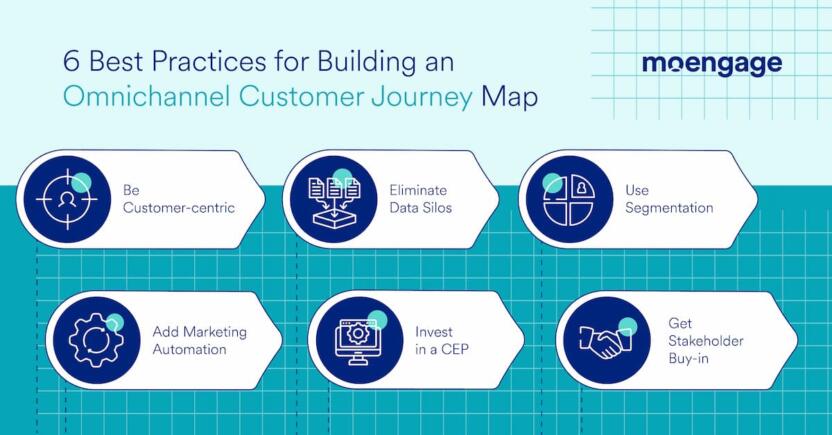
Image Source: MoEngage
Modern lead generation has multiple dimensions where prospects want a unified experience when they interact with your brand. Server-side synchronization serves as the life-blood of unified cross-channel experiences. This technology allows direct apps-to-email server synchronization that makes messaging data accessible across browsers and mobile devices.
Synchronizing messaging across platforms
Coordinated messaging at every touchpoint forms the foundation of successful automated lead generation. Cross-channel marketing does more than use multiple channels, it connects them so information flows between platforms. This creates a single customer experience. Your prospects can move smoothly between platforms without experiencing disconnected messaging.
These steps will help achieve true synchronization:
- Maintain consistent branding and messaging across all platforms
- Coordinate cross-promotions from different departments
- Repurpose content strategically for different channels
- Create a unified experience that works
Your prospects receive relevant, individual-specific experiences as they switch between email and social networks, or move between laptops and smartphones. This unified approach makes the experience easy to understand and direct.
Channel preference detection
Understanding your prospects’ channel priorities changes automated lead generation from random attempts to precise targeting. Modern buyers don’t fit a single mold, sales teams must keep up with trends by meeting prospects on their preferred communication channels.
Customer preference data analysis helps identify the most effective channels for each prospect. Cross-channel analytics reveal behavioral trends and highlight platforms that generate the highest conversion, participation, and revenue.
Creating smooth transitions between automated and human interactions
Human interaction remains vital in B2B lead generation despite sophisticated automation. The biggest problem lies in creating natural transitions between AI-driven and human interactions. Good systems set clear handoff points. AI handles routine queries while human agents manage complex issues that need emotional intelligence.
Analytical insights guide handoffs by gathering essential customer information before transferring interactions to human agents. This preparation helps them continue conversations effectively. Human-in-the-loop systems monitor and adjust AI interactions to ensure continuous learning without affecting customer satisfaction.
A unified messaging approach, understanding channel priorities, and smooth transitions between automated and human interactions will create a lead generation system that feels natural to prospects. This holds true no matter how they choose to participate with your brand.
Scaling Your Personalized Automation Strategy
Marketing automation success depends on more than just technology. You need the right people and processes to support your systems as they grow. Marketing automation platforms bring together every part of your marketing and sales process. They simplify complex processes and let you personalize interactions with all your prospects.
Team structure for supporting automation
A well-planned team structure makes automated lead generation work better. Your demand generation director should report directly to your VP of marketing or CMO. This person takes charge of developing and implementing your integrated strategy. They work with other departments to keep feedback loops open and help everyone understand the process.
Key roles that make automation successful include:
- Demand Generation Specialist: Manages daily marketing automation flows and campaigns
- Project Manager: Coordinates team efforts and makes sure everything runs smoothly
- Content Creator: Creates engaging material for your automation sequences
- Marketing Engineer: Takes care of technical setup for landing pages and automation touchpoints
Companies that line up their teams well and use automated lead generation software see a 30% increase in qualified leads within six months.
Handling the transition from automated to sales-led conversations
The right moment to switch from automation to human interaction is vital. One company found that their sweet spot was when prospect conversations lasted more than 40 minutes. They passed these qualified leads to the sales team with attractive offers.
Your marketing automation platform should blend with your CRM to make transitions smooth. Sales teams get the information they need to schedule calls and convert leads this way. When marketing and sales work well together, companies see a 38% higher sales win rate.
Future-proofing your approach
Long-term success comes from looking at the whole process rather than individual tasks. Put your energy into managing business processes from start to finish instead of working on isolated tasks.
Keep track of how well things are working. The right marketing automation tool helps you gather and analyze information naturally. This analytical approach lets you adapt quickly when market conditions change.
Marketing, sales, and product teams must work together closely. Your automated lead generation won’t work well without support from company leadership.
Conclusion
Automated lead generation has evolved beyond simple efficiency tools into sophisticated systems that blend technology with human connection. Companies that master this balance achieve remarkable results through higher conversion rates, better customer relationships, and business growth that lasts.
Success depends on implementing the right mix of automation tools while you retain control of authentic personal connections. Smart forms, behavioral triggers, and cross-channel synchronization streamline processes. On top of that, it takes proper team structure and clear handoff points between automated and human interactions to ensure smooth scaling.
Note that behind every automated interaction is a real person looking for solutions. Of course, automation helps reach more prospects quickly, but personalization makes those connections meaningful and lasting.
Modern lead generation needs both scale and authenticity. The strategies outlined in this piece will help you build an automated system that grows your business and keeps every interaction personal and purposeful.
Inspired to automate without losing the personal touch? What’s one step you’d tweak? Let’s chat!
FAQs
Q1. How can I automate lead generation while maintaining a personal touch?
Combine automation tools with personalization strategies. Use smart forms and progressive profiling to gather information gradually, implement chatbots that feel conversational, and leverage visitor identification technology. Personalize automated email campaigns using behavioral triggers and segmentation. Remember to create seamless transitions between automated and human interactions when needed.
Q2. What are some effective strategies for B2B lead generation?
Successful B2B lead generation strategies include creating valuable content, optimizing for search engines, utilizing social media platforms, implementing email marketing campaigns, and leveraging marketing automation tools. Additionally, focus on building relationships through personalized outreach, asking for referrals, and nurturing leads throughout the sales funnel.
Q3. How can I improve the effectiveness of my automated email campaigns?
To enhance your automated email campaigns, use behavioral triggers to send timely and relevant messages, segment your audience for targeted content, and create personalized follow-up sequences. Continuously test and optimize your email strategies, paying attention to open rates, click-through rates, and conversion metrics to refine your approach.
Q4. What role does social media play in automated lead generation?
Social media is crucial for automated lead generation. Use content scheduling tools to maintain a consistent presence, implement automated engagement strategies to interact with prospects, and utilize social listening tools to identify potential leads and industry trends. Remember to balance automation with genuine human interaction to build authentic relationships.
Q5. How can I scale my personalized automation strategy effectively?
To scale your personalized automation strategy, focus on building the right team structure with roles like demand generation specialists and marketing engineers. Integrate your marketing automation platform with your CRM for seamless data flow. Continuously analyze performance data to optimize your approach, and maintain strong alignment between marketing, sales, and product teams to ensure cohesive execution of your strategy.

Builds the demand intelligence, automation, and deliverability systems behind Growleads pipeline.