
Content Marketing for Startups: Strategies That Work in 2026

Content marketing for startups delivers the most important results. B2B marketers say their brand awareness jumped 87% through these efforts. Startup founders know they should create content. The challenge comes from finding time to develop a strategy that works while building a company.
We’ve been there ourselves. Customer conversion remains a huge challenge – 55% of marketers say it’s their biggest problem. A content marketing strategy built for tech companies can slash marketing costs in half. It also generates triple the customer interest. LinkedIn’s content marketing proves valuable these days. Research reveals that CEOs who build larger LinkedIn audiences pull in higher investment levels. The good news? You don’t need expensive Google Ads content marketing campaigns to succeed.
In this piece, I’ll share tested content strategies that deliver results without eating up your time and resources. We’ve tried these approaches with real startups. They work well even without a dedicated marketing team.
What Is Founder-Led Content and Why It Works
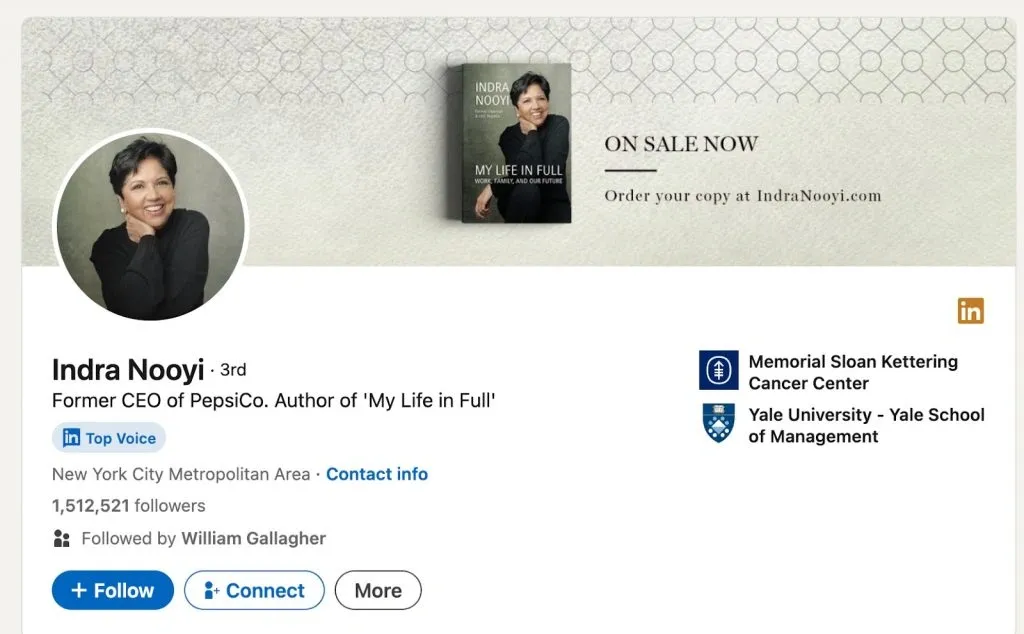
Image Source: Linked Helper
Founder-led content marks a revolutionary change in content marketing for startups. Instead of using only corporate messaging, this strategy puts the founder’s voice, expertise, and experience at the heart of brand storytelling. The focus isn’t on selling products, it’s about sharing authentic insights that strike a chord with your audience.
How founder-led content builds trust
Today’s digital world shows buyers connect more with people behind brands than faceless logos. Founders who share their experiences and knowledge openly create an instant trust bridge with potential customers. Research shows companies with visible founders see a 47% increase in involvement across platforms. They build credibility much faster than traditional marketing methods.
People trust what feels real and relatable. Content straight from the founder feels genuine because it comes from the vision-holder, not a marketing team. A successful founder puts it this way: “When you make it about serving the audience and giving, not taking, people feel it and respond differently”. This approach turns one-way communication into meaningful dialog and creates stronger relationships.
Examples of successful founder-led brands
Many brands have shown how powerful founder visibility can be:
Patagonia stands out because founder Yvon Chouinard’s environmental activism runs deep in the company’s identity. This draws eco-conscious consumers who share these values.
Sara Blakely built Spanx by weaving her authentic story and values into the company culture. She created a space where people celebrated mistakes as learning opportunities. This positive brand image struck a chord with customers.
Cassey Ho of Blogilates and POPFLEX made her design process an ongoing conversation with her audience. Her “perfect leggings” development story got over 25 million views, and the products sold out within hours.
Why it’s cost-effective for startups
Startups with limited resources find founder-led marketing delivers exceptional returns. Data reveals startups using active founder-led marketing are 3.2 times more likely to succeed. Many experts call it “the most cost-effective form of marketing” since it mainly needs the founder’s time.
This approach creates several benefits at once:
- It brings in qualified inbound leads that close more often
- It draws top talent who connect with the founder’s vision
- It makes the company more attractive to investors
- It sets you apart from competitors whatever their size
Founder-led content creates a “reality distortion field” that makes startups look bigger and more established than they are. This perception helps new companies compete against bigger players with deeper pockets.
Beyond marketing benefits, founder-led content creates valuable feedback loops. Direct conversations with their audience help founders learn which messages work and which product features excite people. This ongoing dialog shapes both content direction and product development, creating a cycle of continuous improvement.
Startups looking to maximize their content marketing strategy will find the founder’s authentic voice remains their most powerful, and economical, asset.
Overcoming Common Content Challenges
Startup founders who believe in content marketing still face real-life obstacles when they put their strategies into action. They know it matters, but three challenges can throw their plans off track. The good news? Simple tools exist that fit a busy founder’s schedule.
No time? Use batching and ghostwriters
Most startup teams struggle with time limitations. Content marketing today goes beyond posting random articles. Your audience expects personalized, professional content that adds real value to their lives.
The solution lies in content batching – a productivity hack where you create multiple pieces at once. This lets you hit your creative stride without jumping between tasks that kill your focus. Rather than daily scrambling, take one focused day to build a system that works:
- Map out content pillars based on your business activities
- Draft rough content you can refine later
- Keep backup “lazy posts” ready for low-energy days
A founder reported that 7 hours of focused work created enough content framework to last a month.
More founders now turn to ghostwriters as a solution to their time crunch. These professionals create quality content that founders wish they could write themselves. Ghostwriters excel at specialized content like authoritative articles, white papers, and technical blog posts. They offer affordable tools compared to full-time writers, which works well for startups watching their budgets.
Not a writer? Use voice memos and AI
Writing talent shouldn’t stop you from creating valuable content. Voice memos offer a smart solution if you communicate better through speaking.
Record your ideas on your phone whenever they pop up – during drives, workouts, or household tasks. Speak naturally for 3-5 minutes per topic, just like having a conversation. Modern transcription services or AI apps quickly turn these recordings into text.
AI writing tools have grown smarter too. They help analyze audience data, create personalized content, and turn analytical insights into engaging stories. All the same, AI works best as a helper, not a replacement. Let it draft content from real insights, then add your expertise and unique viewpoint.
Don’t know what to say? Use content pillars
A well-laid-out approach makes content creation easier. Content pillars – your main recurring themes – provide structure and keep your message consistent.
Strong content pillars start with your business expertise and what your audience needs. These pillars are the foundations of your content strategy. They simplify calendar planning since you won’t wonder what to create each month.
Effective content pillars usually include:
- Educational content that solves audience problems
- Inside looks at your product development
- Industry expertise and intellectual influence
- Customer stories and use cases
These themes guide your content creation and help search engines recognize your authority, which could boost your rankings. Consistent pillar-based content builds your brand’s credibility over time. This makes customers more likely to choose you over competitors.
These practical tools help you tackle common content creation challenges, regardless of your time, writing ability, or content ideas.
How to Build a Sustainable Content Strategy
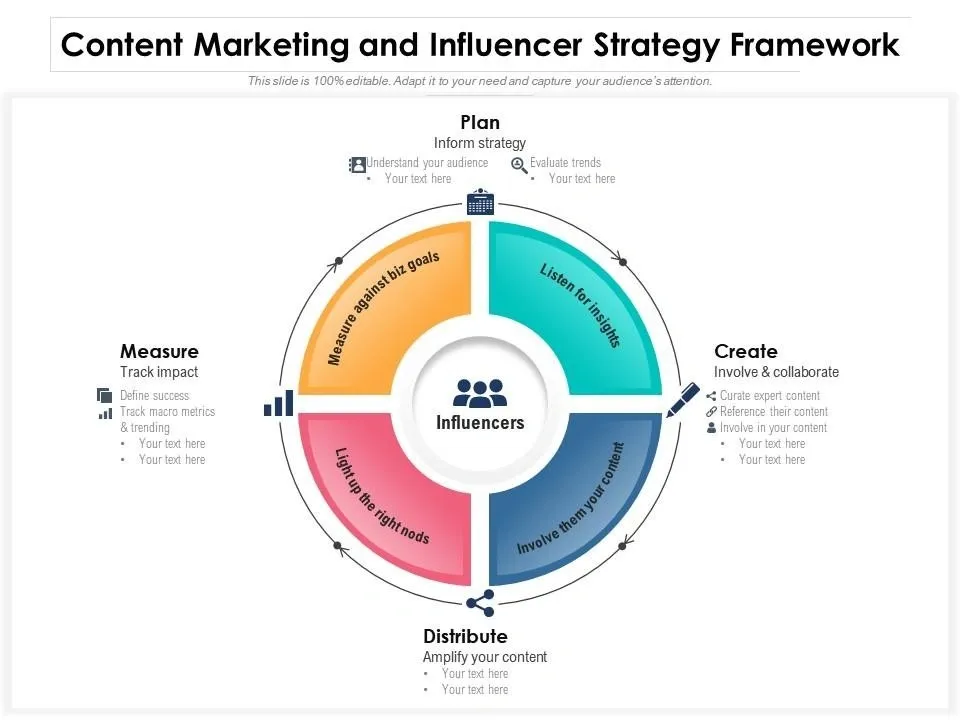
Image Source: LinkedIn
A systematic plan beats random posting when building an eco-friendly content strategy. Your well-laid-out strategy creates lasting effects while making the best use of limited resources.
Pick the right platform (LinkedIn, email, etc.)
The right platform choices are the foundations of any content strategy that works. Research shows 76% of buyers are ready to have sales conversations on social media. This makes platform selection vital for startups.
Your first step should be finding where your target audience spends their time. LinkedIn proves most effective for B2B startups, with 96% of B2B marketers using the platform to share content and reach leads. Email brings different benefits – research points to better end-to-end response rates and more reliable tracking options.
So many successful startups have picked up on a multi-channel approach. One expert suggests, “Don’t feel the need to be everywhere straight away; prioritize quality over quantity”. The best approach is to begin with one or two platforms where most of your audience gathers, then grow based on what the data shows.
Define your ICP and content themes
Your Ideal Customer Profile (ICP) shows the firmographic, environmental, and behavioral traits of accounts likely to become your most valuable customers. A clear ICP helps marketing and sales teams work together and focus on prospects with the highest value.
Creating your ICP means looking at your successful customers’ shared traits across:
- Industry vertical
- Company size (employees/revenue)
- Geographic location
- Technology stack
- Business challenges
Research shows companies that invest in clear ICPs achieve “compelling business results”. These include faster sales cycles and higher conversion rates. Your ICP shapes your content themes, the key topics you regularly cover.
Use storytelling to simplify your message
Good storytelling turns complex startup ideas into messages people understand. Studies over 35 years found that “emotions powerfully, predictably, and pervasively influence decision-making”. This makes storytelling especially valuable for startups.
Stories work like “Trojan Horses” that get past audience defenses and show your value clearly. That’s why pitches starting with compelling stories perform better than those beginning with product details or plain facts.
Startups don’t need complex stories. Simple approaches work well – share your origin story honestly, use “shortcuts” that build on what people know (describe your solution as “combining the best features of X and Y”), and show customer’s experiences from problem to solution.
Remember to stay genuine, people spot forced stories quickly. One expert points out, “Rather than looking for a story that will fit with others, embrace your own personal story with authenticity and vulnerability”.
Content Formats That Drive Results
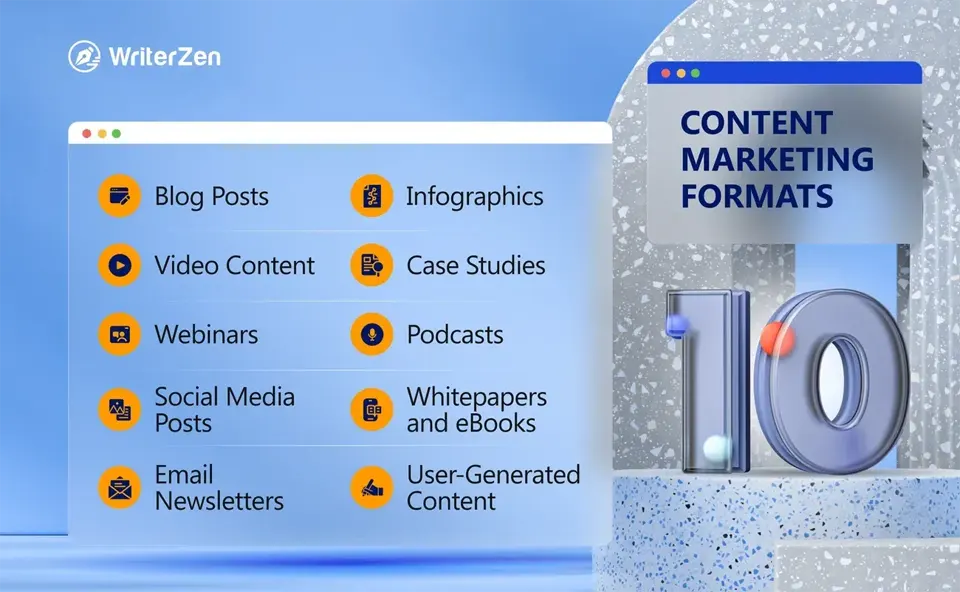
Image Source: WriterZen
The right content formats can make or break your startup’s marketing strategy. Research and real-life examples show these four formats yield the best results when resources are tight.
LinkedIn posts and expert insights
LinkedIn stands out as the top platform where B2B startups can build their authority. Expert content works best in three ways: challenging common industry beliefs, sharing experiences that strike a chord with your ideal customers, and providing fresh industry insights. Companies that encourage team members to share their expertise see better brand perception and higher sales.
Your LinkedIn strategy should mix different formats. Text posts work for quick interactions, carousels teach effectively and often get the most engagement, while occasional videos add a human touch to your brand. Founder Jay Singh shares that LinkedIn brings in 90% of his leads naturally.
Behind-the-scenes product updates
Behind-the-scenes (BTS) content builds genuine connections and boosts sales. An Adweek-Morning Consult survey reveals that TikTok product development videos prompted purchases from 15% of adults and 36% of Gen-Z. BTS content helps you:
- Show your brand’s true personality through candid moments
- Connect with people outside your usual market
- Build trust by showing how products come to life
BTS content needs minimal investment – you can shoot and edit right in your social media app.
Customer stories and testimonials
Reviews shape buying choices significantly. About 72% of customers say positive reviews and testimonials help them trust companies more. The best testimonials show specific problems solved, clear benefits, and actual results.
New startups should gather testimonials through LinkedIn recommendations, follow-up emails after purchase, and website feedback. Video testimonials pack extra punch – 77% of consumers say these videos strongly influenced their purchase decisions.
Weekly newsletters and founder notes
Email newsletters have bounced back strongly with unique benefits. Newsletters let you control your message directly, with about 80% reaching inboxes, unlike social posts that depend on platform algorithms. Good emails get 20-30% opens and 3-5% clicks.
Great newsletters need targeted content based on reader interests and behavior, eye-catching subject lines, mobile-friendly design, and regular timing. Simple text emails often work better than fancy designs for startups, feeling more authentic and reaching more inboxes.
Engaging and Growing Your Audience
Your content marketing transforms from a monolog into a powerful conversation through interaction. Research shows that 73% of social users will switch to competitors if a brand doesn’t respond on social media. This makes audience interaction a vital element for startups looking to gain traction.
Replying to comments and DMs
Building trust and community starts with being responsive. A third of consumers say their favorite brands stand out because of how they involve followers. Here’s how to handle different types of comments:
- Positive comments: Show real appreciation and personalize your message to build stronger relationships
- Neutral comments: Show you’re listening by responding thoughtfully to build brand loyalty
- Negative feedback: Address concerns with empathy and offer tools to turn challenges into opportunities
Response timing matters substantially. Setting up ways to track incoming messages helps you respond quickly and shows your audience their input matters.
Starting conversations and tagging others
Don’t wait for others to start talking. Create content that naturally sparks responses by asking compelling questions or seeking specific feedback. Keep your full attention on the person you’re talking with during these conversations.
Mentioning relevant individuals or organizations can magnify your reach while building real connections. This works especially well when you share valuable insights about their work or recognize their industry contributions.
Using content to build community
Communities help customers feel they belong and stay loyal. Startups can maintain steady engagement through consistent connection. Create spaces where your audience connects, through Facebook groups, LinkedIn communities, or regular virtual events.
Give public recognition to active members and welcome user-generated content that makes your audience feel like they’re part of your brand. This strategy increases engagement and provides valuable feedback to improve your products and business approach.
Conclusion
Content marketing stands as one of the most powerful tools startups can use today. This piece explores practical strategies that work without draining your limited resources. Good content marketing doesn’t need a massive team or budget, you just need authenticity, consistency, and strategic focus.
Your unique voice and expertise as a founder create trust that traditional marketing can’t match. Time constraints, writing skills, or content ideas might slow you down, but simple tools exist through batching, voice memos, AI assistance, and structured content pillars.
A sustainable strategy begins when you choose platforms where your audience already exists. Your ICP gives clear direction to content themes, while storytelling turns complex offerings into compelling messages that appeal to potential customers.
Some content formats consistently deliver better results for startups. LinkedIn intellectual influence, behind-the-scenes updates, customer testimonials, and weekly newsletters prove especially effective. Each platform serves different purposes and gives you chances to showcase your unique value.
Without doubt, the best startup content strategies do more than just publish, they encourage genuine participation. Quick responses to comments, new conversations, and community building turn passive audiences into active brand participants.
Content marketing success might look challenging at first. These tested strategies, when applied consistently, will help you build a content ecosystem that gets more leads, attracts talent, appeals to investors, and distinguishes your startup from competitors, whatever their size or resources.
Note that perfect execution matters less than taking the first step. Start with what you can manage, measure results, and adapt. Your authentic voice is your best marketing asset, use it well.
Fuel your startup’s growth with content that converts. Let Growleads.io build your strategy.
FAQs
Q1. What are some effective content marketing strategies for startups?
Successful strategies include founder-led content to build trust, using content batching and ghostwriters to overcome time constraints, using AI tools for content creation, and focusing on platforms like LinkedIn for B2B startups. It’s also crucial to define your ideal customer profile and use storytelling to simplify complex messages.
Q2. How can startups create content consistently with limited resources?
Startups can use content batching to create multiple pieces in focused sessions, employ ghostwriters for specialized content, utilize voice memos and AI tools for easier content generation, and develop content pillars to provide a structured approach to regular content creation.
Q3. Which content formats drive the best results for startups?
The most effective formats include LinkedIn posts for thought leadership, behind-the-scenes product updates to build authenticity, customer stories and testimonials to build trust, and weekly newsletters or founder notes to maintain direct communication with your audience.
Q4. How important is audience engagement in startup content marketing?
Audience engagement is crucial. Responding to comments and direct messages, initiating conversations, and building a community around your brand can significantly impact your marketing success. It turns passive audiences into active participants and can lead to increased customer loyalty and sales.
Q5. What are some common content marketing challenges for startups and how can they be overcome?
Common challenges include lack of time, limited writing skills, and not knowing what content to create. These can be addressed by using content batching and ghostwriters, using voice memos and AI tools for content creation, and developing clear content pillars based on your expertise and audience needs.
The Real Content Strategy Tech Companies Use to Generate Leads in 2026
Most “content strategy” articles describe an editorial calendar. That is not a strategy. That is a schedule. The strategy is the choice about which buyer questions you commit to answering better than anyone else, and which questions you intentionally do not answer.
The three commitments that separate content programs that compound from programs that produce noise. First, a defined buyer question set. We work with founders to write down the 40 to 60 questions their target buyer will research between problem awareness and vendor selection. The question set is the content strategy. Everything else is execution.
Second, a single source of truth per question. One canonical article per question. Not seven articles on variations of the same query. Not ten overlapping mega-guides on the same topic. One article that owns the question, gets updated quarterly, and accumulates internal links from supporting content. Search engines reward this. Buyers reward this. Our own DI cluster runs on this principle: 8 cornerstones, 12 glossary terms, 3 comparisons. Forty cornerstone articles is not better than 8 cornerstones with 200 supporting pieces.
Third, a measurement metric tied to deal velocity, not to traffic. The metric we track for our own clients is “content-assisted close rate,” not “blog traffic.” A piece read in a deal cycle is worth 200 anonymous sessions. Most content programs measure traffic because traffic is easy to measure. The teams that measure deal-cycle assistance shift their content roadmap within two quarters and see compounding returns within four.
What this means operationally for a Series-A or Series-B SaaS company: write fewer articles, edit them harder, and instrument them inside your sales motion. Forty deeply researched pieces beat 400 surface-level pieces on every metric that matters to revenue.
How Content Syndication Compounds for B2B Lead Generation
Content syndication has a reputation problem. Most B2B teams associate it with low-quality MQL programs that produce 200 leads per month at $40 each, of which 4 are real and 196 are clicks from form-fill incentive programs. That model exists. It is also not what content syndication can do at its best.
The version that compounds is partner-network syndication. You publish a high-effort piece (industry benchmark, original data, methodology breakdown) and you place it inside three to five trusted publications and partner platforms. Not paid placement. Editorial placement. The publications run it because the data is novel and their audience benefits. You get backlinks, brand association, and most importantly a citation network that compounds for SEO authority.
The hard part is the data and methodology. Most companies do not have research-grade data to syndicate. The fix is to start small. Pick one slice of your operational data (response rates, conversion funnels, deal velocity). Anonymize it. Compute the benchmark. Publish it as your own. The first publication is the hardest. By the third you have a methodology and a publishing rhythm.
What we have seen work over the last 18 months. One client published an annual SDR commission benchmark drawn from their 200-plus client engagements. Anonymized. Statistically valid sample. The benchmark got picked up by SaaStr, RepVue, and three industry newsletters. Eight months later it was the top-ranking organic result for “SDR commission benchmark.” The downstream pipeline traced back to that single piece exceeded $400K of sourced ARR.
The contrarian take: stop writing more content. Write one piece of original research per quarter. Spend four times your normal effort on it. Place it inside three or four publications. Then update it next year. That single piece does what 40 mediocre articles cannot: it compounds.

Leads content and the LinkedIn authority programs that build founder demand.