
Master LinkedIn Algorithm for Authority Building in 2026

Did you know LinkedIn is 277% more effective for lead generation than Facebook and Twitter? It’s crucial to understand LinkedIn’s content algorithm for professional success.
With over one billion members, LinkedIn processes billions of posts daily. Mastering LinkedIn algorithm insights in 2025 isn’t just an option, it’s vital for anyone serious about professional growth.
Years of analyzing LinkedIn’s algorithm have revealed a key insight: LinkedIn doesn’t just chase virality like other platforms. It focuses on fostering meaningful professional interactions. Understanding these LinkedIn algorithm changes is essential to improving your visibility and influence.
The LinkedIn algorithm classifies content into three categories: spam, low-quality, and high-quality. High-quality content has the best chance of reaching your target audience. Posts that generate strong engagement during the “golden hour” (the first hour) tend to extend their reach to second and third-degree connections.
Stats highlight how impactful LinkedIn’s algorithm can be. Videos on LinkedIn get five times more engagement than other posts, and live videos are 24 times more engaging. Regular posting (at least once a week) can double your engagement rates.
This guide will teach you how to navigate LinkedIn’s algorithm effectively, helping you build authority and become an expert in your field.
What the LinkedIn Algorithm Prioritizes
“The LinkedIn algorithm is a program created to put engaging posts in front of users, ensuring that each LinkedIn user sees the most relevant content to them at the top of their feed.”
, Sprout Social, Leading social media management platform and authority on social media algorithms
LinkedIn’s algorithm works like a smart curator that prioritizes content promoting meaningful professional growth rather than chasing viral trends. You gain a strategic advantage in building your professional authority by learning what the algorithm values.
Relevance to user interests and industry
Each user’s feed gets a meticulous customization based on their professional identity and behavior patterns. The algorithm looks at profile details, job role, skills, and location, to figure out content relevance. Your past engagement history helps predict what content you might find valuable.
Three main factors customize your feed: your professional identity, the quality of your posts, and how you interact with content. The system learns from your interactions and creates a tailored experience. You’ll see more digital marketing posts if that’s what you typically interact with.
Credibility and consistency of the author
The LinkedIn algorithm’s fundamental pillar is consistency. Regular posting helps professionals build trust and become reliable knowledge sources in their industry. Yes, it is true that active users get a boost in their content visibility.
Regular posting creates a positive cycle: your visibility grows with consistent posting, which makes you more credible. The 2025 algorithm update focuses more on topic authority, LinkedIn sees you as an expert and shares your content more widely when you regularly post about specific topics.
Strength of connection and past interactions
Your relationships’ depth plays a big role in content distribution. Your first-degree connections see your content first, especially those you interact with meaningfully.
Posts from your immediate network appear before second or third-degree connections. The algorithm considers connection strength, looking at both quantity and quality of engagement. Direct messages increase your chances of seeing someone’s posts by 60-70%.
Meaningful conversations matter a lot to the system. Comments and real interactions carry more weight than simple likes, and back-and-forth replies get more visibility. This approach helps genuine professional discussions thrive instead of surface-level engagement.
How to Build Authority Through Content
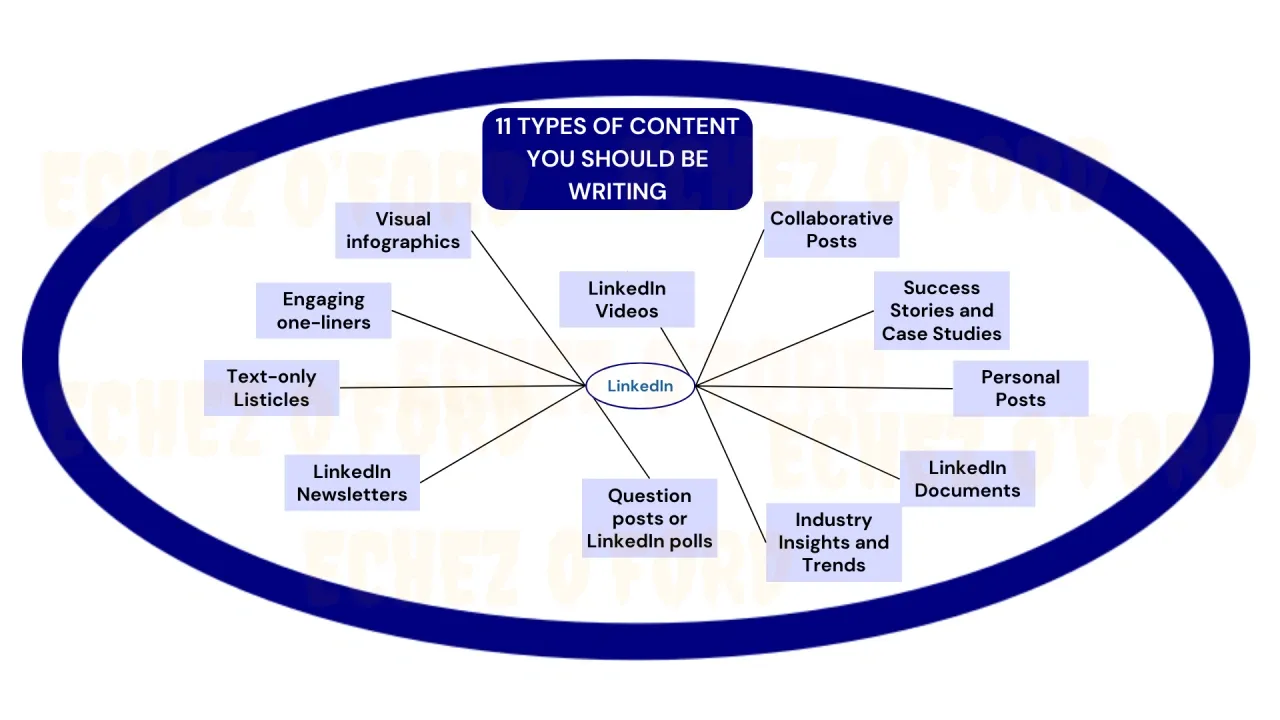
Building authority on LinkedIn requires more than random posting. You need to establish yourself as a credible expert who provides valuable insights to your audience. Research shows 73% of B2B decision-makers trust authority more than traditional marketing. Here are proven strategies to build that authority through strategic content creation.
Focus on one niche to build topic authority
People recognize you as a go-to expert when you demonstrate topical authority. Your visibility increases substantially when you narrow your focus instead of covering everything in your industry. You should identify a niche or sub-niche where you can offer unique value by understanding your audience’s needs and analyzing competitors.
The right balance makes a difference. Choose a topic specific enough to reduce direct competition yet broad enough to create ongoing content. This focused approach helps the LinkedIn algorithm recognize you as an expert in that domain and increases your content reach to relevant audiences.
Share original insights and professional advice
LinkedIn values trust more than likes or comments. Your genuine authority grows when you develop a unique viewpoint rather than echo others. To cite an instance, don’t just say “Cold outreach isn’t as effective.” Explain why with evidence-based insights about changing buyer behaviors.
Your authority becomes stronger when you create a signature framework or methodology. Consultants who help companies improve retention might introduce something unique like “The 3C Model, Culture, Career Growth, and Communication”. The conversation in your field becomes yours as others reference your framework.
Use storytelling to make your posts relatable
Stories create connections where plain information falls short. Stories have captivated people for centuries because they stir emotions and create involvement. Your LinkedIn stories work best with this simple structure:
- Begin with a relatable situation your audience recognizes
- Tap into the reader’s emotions by acknowledging their thoughts and feelings
- Present alternative solutions or actions with clear outcomes
- Connect these solutions to valuable takeaways
Experts say the most effective stories show transformation. They describe the trip from where someone started to where they ended up. This micro-storytelling approach helps you connect emotionally with readers and establishes your credibility through shared experiences and lessons.
Note that building authority demands consistency. People naturally seek your expertise as you share more valuable content and build trust.
Best Practices to Stay Visible on LinkedIn
“The key is what happens in the first hour. Posts that perform quickly are pushed across the platform.”
, Dean Seddon, Digital marketing expert and publisher of The Signal newsletter
LinkedIn visibility depends on working with the platform’s algorithm. Let me share some proven ways to stay visible and grow your presence.
Post consistently without spamming
Your posting schedule can affect your visibility by a lot. Research shows profiles that post weekly see 5.6x more followers compared to monthly posters. The algorithm rewards content creators who stick to a regular schedule.
Pick a posting frequency you can maintain over time. Quality posts matter more than quantity, a well-crafted weekly update works better than daily posts with little value. Most people check LinkedIn during weekday mornings (10-11am), lunch breaks, and early evenings. Business pages see the best results on Tuesdays and Thursdays at 10am.
Participate with others to boost your own reach
Your visibility grows when you leave thoughtful comments before sharing your content. Posts with meaningful replies reach 2.4x more people than regular posts.
Make interaction part of your daily routine:
- Comment on 5-10 relevant posts before and after publishing your content
- Reply to comments within the first hour to maximize reach
- Encourage real conversations instead of leaving basic reactions
The algorithm shows special preference to content that gets interactions within two hours. These initial hours determine how many people see your content.
Use native features like polls and documents
LinkedIn gives priority to its newest features. Polls get 5x more engagement than text-only posts, making them excellent visibility boosters. Documents shared as PDFs show up as scrollable carousels and attract more engagement.
Native content without external links reaches six times more people than posts with outbound URLs. LinkedIn’s built-in features keep users engaged right on the platform.
Avoid outbound links in the main post
Your post’s reach drops 20-35% when you include external links. This happens because LinkedIn wants users to stay on the platform rather than click away.
Here are some better options:
- Put your link in the comments and mention this in your post
- Add your link through an edit after waiting 60 minutes
- Share valuable content directly through document posts on LinkedIn
Common Mistakes That Hurt Your Reach
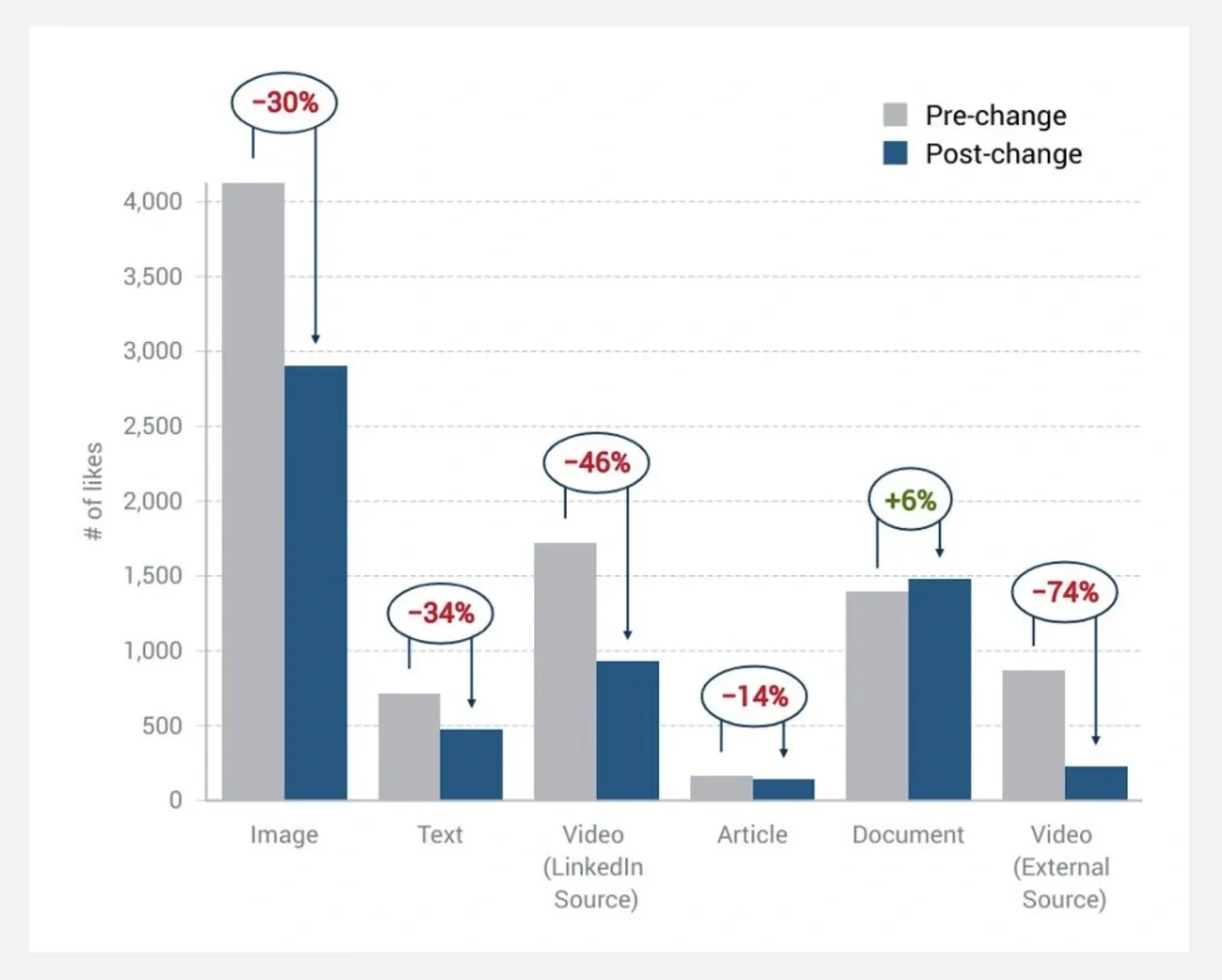
Small mistakes can hurt your LinkedIn visibility badly, whatever the value of your content. You need to know these pitfalls to avoid algorithm penalties that quietly limit your reach.
Posting at the wrong time
The LinkedIn algorithm distributes your content based on timing. Hubspot’s research shows that weekdays between 9am-12pm and 12-3pm get the highest engagement. Your posts won’t perform well on weekends and after business hours.
Tuesday stands out as LinkedIn’s busiest day. Posts perform best during mid-morning (10-11am) and lunchtime (12-1pm). Many professionals make the mistake of posting whenever they can instead of when their audience is online.
Note that LinkedIn’s algorithm uses early engagement as a vital visibility signal. Your reach will stay limited if you post when your audience is offline.
Using too many or irrelevant hashtags
LinkedIn now sees posts with too many hashtags as potential spam, unlike before. You should use no more than 3-5 relevant hashtags per post. The platform cares more about engagement metrics than keyword-rich hashtags.
Your hashtags must match your content. The algorithm flags content with unrelated trending hashtags as low-quality. Put your hashtags at the end of captions to keep your posts readable.
Ignoring comments and engagement
The LinkedIn algorithm loves conversation, but many users just post content without caring about engagement. The first 90 minutes after posting decide if your content keeps spreading.
Comments matter nowhere near as much as likes in the algorithm. Your post’s engagement metrics double when you respond to every comment. The algorithm loves threaded conversations with multiple back-and-forth replies because they show meaningful interaction.
Overusing promotional content
Too much promotional content pushes followers away and adds little value. The best LinkedIn creators follow the 80/20 rule – 80% engaging, educational content mixed with 20% promotional material.
This balance will give you room to promote products or services without overwhelming your audience. You’ll get better results by delivering value while subtly guiding readers toward business goals.
Conclusion
Success on LinkedIn’s algorithm ended up rewarding creators of meaningful professional content rather than those chasing viral metrics. Our analysis of the platform over the years has shown that building authority happens when you consistently deliver value in a specific niche. In fact, your success on LinkedIn comes from understanding what the algorithm rewards, relevance, credibility, connection strength, and using these insights in your content strategy.
LinkedIn success needs patience and authenticity. Numbers tell the story, weekly posting increases followers by 5.6x, while thoughtful comments boost reach by 2.4x [47]. Simple changes like timing your posts during weekday mornings or using native features instead of external links increase your visibility by a lot.
You should focus on building real relationships through meaningful engagement before expecting algorithm success. The first 60-90 minutes after posting are vital. Respond to comments actively and create conversations that signal quality to LinkedIn’s systems. Keep developing your unique voice and point of view, this difference determines whether you become an authority or stay just another content creator.
These strategies are ready to implement today. Measure what works for your audience and refine your approach. The LinkedIn algorithm explained here gives you the tools you need to build real authority and create meaningful connections on the platform.
Elevate your LinkedIn profile with expert tools and templates for content, engagement, and analytics with Growleads.
FAQs
Q1. How does the LinkedIn algorithm determine content visibility?
The LinkedIn algorithm prioritizes content based on relevance to user interests, credibility of the author, and strength of connections. It favors posts that generate meaningful engagement, especially within the first hour after publishing. Consistency in posting and focusing on a specific niche can significantly boost your content’s visibility.
Q2. What’s the ideal posting frequency on LinkedIn?
Posting consistently is key, but quality trumps quantity. Aim for at least one thoughtful post per week. Profiles that post weekly see 5.6 times more followers than those posting monthly. The best times to post are typically weekday mornings (especially 10-11am), lunchtimes, and early evenings.
Q3. How can I increase engagement on my LinkedIn posts?
Engage with others’ content before and after posting your own. Use native LinkedIn features like polls and document posts, which tend to receive higher engagement. Respond promptly to comments, especially within the first two hours of posting. Share original insights and use storytelling to make your posts more relatable.
Q4. Should I use hashtags in my LinkedIn posts?
Use hashtags sparingly and strategically. Limit yourself to 3-5 relevant hashtags per post. Place them at the end of your post to maintain readability. Avoid using trending hashtags that are unrelated to your content, as this can be flagged as spam by the algorithm.
Q5. How can I promote my business without hurting my reach on LinkedIn?
Follow the 80/20 rule: 80% of your content should be engaging and educational, while 20% can be promotional. When sharing links, consider adding them in the comments or waiting an hour after posting before editing to include the link. Focus on delivering value to your audience while gently guiding them towards your business goals.

Leads content and the LinkedIn authority programs that build founder demand.