
B2B Content Strategy: Case Studies That Drive Conversions

90% of buyers who read positive customer success content say it influenced their purchasing decision.
You need case studies for your B2B content strategy—that’s a given. But creating ones that actually drive sales takes more than just throwing together a client story with some nice quotes. The most successful content marketers use case studies as a key strategy, and the numbers back this up.
SaaS companies now maintain an average of 64 case studies—up 73% from 2022. Pretty impressive growth, right? But here’s the catch: simply having case studies sitting on your website isn’t enough. They need to tell compelling stories that hit home with prospects and provide clear, concrete evidence of your value.
Think about this: 80% of B2B buyers use case studies during their research, and 42% find them valuable during both middle and late stages of the buying process. Why? Because well-crafted case studies build the trust and credibility that abstract marketing claims simply can’t match.
Ready to create B2B case studies that actually convert prospects into customers? Let’s get started 👇
This guide walks you through the entire process—from picking the right customer story to structuring, designing, and distributing your case study for maximum impact.
Understand What Makes a B2B Case Study Work
“According to the same Content Marketing Institute report, case studies or customer stories are among the top content types employed by 75% of B2B marketers.”
— Be Omniscient, B2B Marketing Agency
Case studies are gold in your B2B marketing toolkit. The numbers don’t lie – 73% of B2B buyers consider case studies a key factor in their purchasing decisions. If you’re serious about converting prospects, you need these in your arsenal.
Why case studies matter in B2B marketing
B2B buying isn’t a solo sport. With 6 or more people typically involved in a B2B purchasing decision, you need content that speaks to multiple stakeholders with different priorities. Case studies provide the concrete evidence these decision-makers are looking for.
What makes them so powerful? For one, 62% of B2B purchase decision-makers rely more heavily on practical content like case studies than other information types. Plus, up to 80% of customers actively seek out relevant case studies during their buying journey.
Case studies serve as primary resources in B2B content marketing, giving prospects something that flashy product pages and marketing messages simply can’t – real validation from peers who’ve achieved measurable results. They turn your marketing claims from abstract promises into proven facts.
The power of real-world storytelling
At their heart, effective B2B case studies are stories – not just data dumps with impressive statistics. This narrative approach connects with something fundamentally human: our wiring for stories.
Even in B2B, decisions come down to people with emotions and concerns. This explains the rising popularity of human-to-human (H2H) approaches. Your case studies should follow a narrative arc that includes:
- The client’s biggest pain point
- Your understanding and empathy for their situation
- The vision of a better future
- Your solution and its implementation
- The measurable results achieved
This storytelling framework makes your brand more relatable while showcasing what you can do. As industry experts note, “Customer success stories drive relatability, credibility and memorability—vital in B2B marketing, which often has a long tail”.
The most compelling case studies position the client as the hero of their story, with your product or service as the enabler of their success rather than the main character. This subtle but crucial shift makes your content more authentic and relevant to prospects facing similar challenges.
How they support the sales funnel
Case studies shine brightest in the middle and bottom stages of your sales funnel. During these critical phases, prospects have already identified their problems and are actively evaluating potential solutions.
In the middle of the funnel (consideration stage), prospects want evidence that others like them have solved similar problems. Case studies bridge the gap between awareness content and bottom-of-funnel material by providing concrete proof of how your solution tackles specific challenges.
For the bottom of the funnel (decision stage), case studies provide that final nudge needed to convert prospects into customers. At this point, potential clients need substantial evidence to justify their decision. A good case study shows not just that your solution works, but that it works specifically for businesses in their situation.
Nearly 50% of SaaS companies report that case studies directly drive sales. What’s more, 47% of consumers find case studies extremely valuable when making purchasing decisions. That makes them essential tools for moving leads through your funnel and turning interested prospects into loyal customers.
Plan Your Case Study With the Right Foundation
Creating powerful B2B case studies starts well before you write a single word. The planning stage can make or break your final product, determining whether your case study resonates with prospects or falls flat. Here’s how to build a foundation that sets you up for success.
Identify your ideal customer profile
You can’t create a compelling case study without knowing exactly who you’re talking to. Your ideal customer profile (ICP) outlines the characteristics of your perfect customer—the ones who absolutely love what you’re selling.
For B2B case studies, your ICP should include:
- Company information: Industry, size, annual revenue, location
- Demographic information: Job titles, roles in the buying process
- Pain points: Specific challenges your solution addresses
- Existing technology: Tech stack and integration requirements
- Buying process: How decisions are made in these organizations
With a well-defined ICP, you’ll focus your case study on stories that actually connect with your highest-value prospects. Companies with clear ICPs save both time and money by targeting leads that are more likely to convert.
Choose a relevant and complete success story
Now that you know your audience, pick customer stories that will speak directly to them. The most effective case studies feature:
- Customers with common challenges that your target audience faces daily
- Solutions that closely match what your prospects are seeking
- Impressive results that clearly demonstrate value and ROI
Your prospects should see themselves in these stories and think, “That could be us.”
Don’t just chase big names for your case studies. While recognizable brands carry weight, smaller customers often experience more dramatic results because their resources were more limited. Plus, these organizations are typically easier to work with when creating your case study.
Try to build diversity in your case study portfolio by including:
- Various industries to show universal applicability
- Different company sizes to demonstrate scalability
- Geographic diversity to appeal to a global audience
Match the story to your content strategy goals
Your case studies shouldn’t exist as standalone pieces. They must work in harmony with your broader content marketing strategy and business objectives. About 20% of successful marketers produce case studies specifically because they offer detailed insights that support specific goals.
When aligning your case study with your strategy, consider:
- Business objectives: Let your goals guide which stories you highlight
- Buyer journey stages: Determine how your case study supports specific phases of the customer journey
- Distribution channels: Plan where the case study will be shared (LinkedIn, email, sales presentations)
Setting SMART goals for each case study ensures they deliver measurable outcomes while supporting your broader business objectives.
This strategic alignment transforms case studies from isolated success stories into powerful tools that build credibility, highlight real results, and even offer insights for current customers looking for new ways to use your product.
Remember: the best B2B case studies don’t just showcase your product or service—they tell a compelling story that takes readers on a journey from initial pain point to successful solution.
Structure Your Case Study for Maximum Impact

The way you structure your B2B case study directly affects how well it converts prospects into customers. A well-organized case study takes readers on a logical journey from problem to solution, making your value proposition crystal clear.
Start with a compelling executive summary
Your executive summary is the first (and sometimes only) part decision-makers will read. This brief section—usually just 1-2 paragraphs—needs to hook your audience immediately. Make sure to include:
- Who the client is
- What challenge they faced
- How you solved their problem
- The most impressive results they achieved
Remember, busy executives might only read this part, so make every word count. If you’re dealing with complex B2B solutions, you might need a more detailed summary, but still keep it under one page.
Include a clear client background and challenge
Next, provide context that helps your prospects see themselves in the story. This section should:
- Give relevant company details (industry, size, where they’re located)
- Clearly explain the problem they were facing
- Show why solving this issue mattered to their business
When your prospects recognize their own challenges in your case study, they’ll be much more likely to envision achieving similar results with your help.
Explain the solution and implementation process
Now outline your approach—but remember, this isn’t about showing off. Your client is still the hero of this story. Focus on:
- The specific strategies and solutions you used
- Any unique expertise or techniques you brought to the table
- How the implementation worked and how long it took
Keeping the narrative centered on the customer’s experience will hold your reader’s attention throughout the case study.
Showcase measurable results and ROI
Results make or break your case study—if you can’t show positive outcomes, don’t bother including the story. You should:
- Lead with hard numbers (traffic increases, conversion improvements)
- Use percentages and specific metrics wherever you can
- Show clear ROI and business impact
- Connect these results back to the original challenges
Adding charts or graphs makes your statistics much easier to digest and more visually appealing.
Add testimonials and quotes for credibility
Finally, include direct quotes from your happy clients. Their words carry weight that your own claims simply can’t match. A few tips:
- Choose testimonials that highlight specific benefits
- Use quotes that sound like real people, not marketing copy
- Try to get several quotes covering different aspects of the project
These five elements work together to create a compelling story that proves your value and turns interested prospects into convinced customers.
Make it Engaging With Storytelling and Design
Compelling visuals and powerful storytelling transform an ordinary case study into a conversion machine. The best B2B case studies don’t just present facts—they engage prospects through strategic design and narrative techniques that make your success stories impossible to ignore.
Use visuals like charts, images, and infographics
Visual elements dramatically boost the impact of your case studies by breaking up text and highlighting key data points. Smart visuals to include:
- Result-focused infographics that spotlight performance metrics and make statistics instantly digestible
- Visual comparisons showing before-and-after metrics that illustrate transformation
- Charts and graphs that represent complex data in a clear, compelling format
These visual aids aren’t just decorations—they’re essential tools that boost understanding while making your case study more engaging. A simple bar chart comparing last year’s spending to current figures shows value instantly in ways that paragraphs of text simply can’t match.
Incorporate video or interactive elements
Want to take engagement up several notches? Add multimedia elements:
Video case studies create emotional connections through customer testimonials and real-world examples. They grab attention faster than text alone and perform exceptionally well when shared on social media.
Interactive elements invite prospects to engage directly with your content. Try adding:
- Clickable hotspots that reveal additional information
- Toggles that let readers explore different solution aspects
- Interactive web pages where users navigate through sections at their own pace
Apply storytelling frameworks like StoryBrand
The StoryBrand Framework, developed by Donald Miller, simplifies your message and positions your customer as the hero of your brand’s story. This approach works perfectly for case studies because:
It follows a seven-step process that identifies the hero (your client) and their problem, then introduces your company as the guide who provides a solution. In your case study narrative, this means:
- Positioning the client as the main character
- Humanizing their challenges and aspirations
- Casting your company as the knowledgeable guide
- Showing the transformational journey with your solution
Keep the layout clean and easy to scan
Even the most compelling story fails without proper presentation. You need these design principles:
- Visual hierarchy through headings and subheadings that guide readers
- Consistent typography and color schemes that align with your brand
- Strategic whitespace to improve readability and focus attention on key points
- Breaking up text blocks with visuals and varying text formats
A well-designed case study ensures your busy prospects can quickly absorb the most important information—even if they’re just skimming through your content.
Distribute and Repurpose Your Case Study
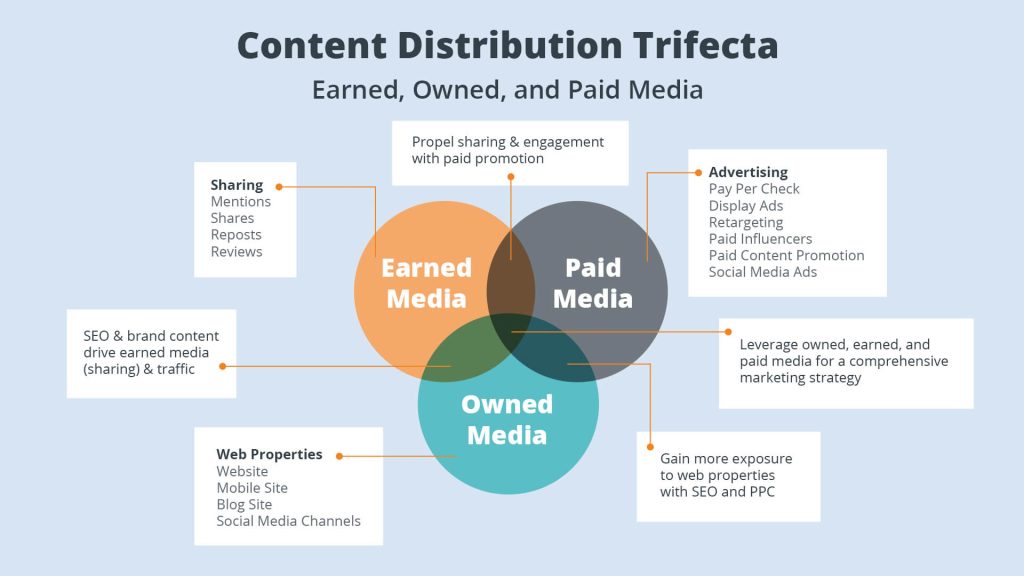
Creating an amazing case study means nothing if nobody sees it. Your carefully crafted success story needs strategic distribution across multiple channels to maximize its conversion potential.
Share across email, social, and sales decks
Email marketing remains incredibly effective for B2B case study distribution, with an average 2.4% conversion rate. When sending your case study via email:
- Include compelling snippets or key statistics to spark interest
- Personalize messages for specific industry segments
- Track link clicks to see what’s working
Social media amplifies your case study’s reach among over five billion users worldwide. LinkedIn is particularly valuable for B2B content, as business professionals actively look for industry insights there. Don’t forget to tag featured clients in your posts—this expands your reach to their connections and builds credibility.
Just as important, give your sales team case study slides for their presentations. These snapshot versions highlighting key results and testimonials become powerful tools during prospect conversations or as follow-up materials.
Offer it in multiple formats (PDF, blog, video)
People consume information differently, which is why 73% of successful content marketers use case studies in multiple formats. Consider creating:
- Video case studies – 55% of larger companies now produce these attention-grabbing assets, with another 44% planning to add them soon
- One-page infographics – Quick visual summaries showcasing key metrics and results
- PDF e-books – Comprehensive versions that 37% of buyers share with fellow decision-makers
Hosting all formats on a single landing page caters to different learning styles while giving stakeholders one easy link to share. Publishing case studies as blog posts also improves your search visibility.
Update regularly to keep data fresh
Case studies aren’t “set and forget” content. You should regularly refresh them with:
- Updated statistics and results
- New implementation insights
- Additional client quotes or feedback
Fresh data keeps your content relevant, especially when you’re repurposing it across various channels. Updated case studies also demonstrate ongoing client success and your continued partnership.
Always use trackable links when distributing case studies so you can measure which channels drive the most engagement.
Craft Conversion-Driven Case Studies That Drive Results
B2B case studies are powerful conversion tools when strategically crafted and deployed. Throughout this guide, you’ve seen why 90% of buyers say their purchasing decisions are influenced by customer success stories. Effective case studies transform abstract claims into tangible proof, making them essential assets in your marketing toolkit.
Remember, storytelling drives case study effectiveness. By positioning your client as the hero and your solution as the enabler, you create relatable narratives that connect with prospects facing similar challenges. Structuring your content with a compelling executive summary, clear client background, detailed solution approach, and measurable results ensures maximum impact.
Design elements significantly boost engagement and understanding. Charts, images, infographics, and interactive components break up text while highlighting key metrics that demonstrate value. These visual aids make complex information digestible and memorable for busy decision-makers.
Distribution deserves just as much attention as creation. Your carefully crafted case studies should live across multiple channels—from email campaigns and social media to sales presentations and your website. Offering various formats caters to different learning preferences while expanding reach.
The most successful B2B marketers continuously update their case study libraries with fresh data and client insights. This ongoing commitment to relevant, compelling content shows your dedication to client success while giving sales teams powerful tools that actually convert prospects into customers.
Ready to put these strategies to work and create case studies that drive real business results? Start by identifying your strongest client success story today and follow this framework to transform it into a conversion machine.
Unlock B2B success with real frameworks at GrowLeads.io. Start now!
FAQs
Q1. What are the key elements of an effective B2B case study?
An effective B2B case study should include a compelling executive summary, clear client background and challenge, detailed solution explanation, measurable results with ROI, and credible client testimonials. The structure should guide readers from problem to solution, showcasing your value proposition.
Q2. How can I make my case study more engaging?
To make your case study more engaging, use visual elements like charts, infographics, and images to break up text and highlight key data points. Incorporate storytelling techniques, apply frameworks like StoryBrand, and consider adding interactive elements or video content to capture attention and improve comprehension.
Q3. What’s the best way to distribute a B2B case study?
Distribute your B2B case study across multiple channels including email marketing, social media (especially LinkedIn for B2B), and sales presentations. Offer it in various formats such as PDF, blog post, and video to cater to different preferences. Also, consider hosting all formats on a single landing page for easy sharing.
Q4. How often should I update my case studies?
Regularly refresh your case studies with updated statistics, new implementation insights, and additional client feedback. This keeps your content relevant and demonstrates ongoing client success. Aim to review and update your case studies at least annually or whenever significant new results are achieved.
Q5. How can I ensure my case study resonates with potential customers?
To ensure your case study resonates, choose a client story that closely aligns with your ideal customer profile. Focus on common challenges faced by your target audience, showcase representative solutions, and highlight notable results. Use clear, jargon-free language and structure the case study to tell a compelling narrative from the customer’s perspective.

Malay is the VP of Growth & Operations at Growleads, where he transforms businesses through automation, behavioral analytics, and omni-channel scaling strategies.
As a growth strategist, Malay has helped organizations streamline operations, decode customer behavior, and scale revenue through data-driven automation. His expertise spans process optimization, conversion analytics, and building scalable growth systems that deliver measurable results.