
How to Create High-Converting Retargeting Strategies in B2B Ads: A Step-by-Step Guide for 2025

B2B ad retargeting strategies can boost conversion rates by up to 150%. These numbers are impressive and show real revenue opportunities that your competition might already be using.
The data speaks for itself. Retargeted ads get 10x more clicks than standard display ads. Your customers are 70% more likely to convert after seeing them. Despite these impressive results, 46% of search engine marketers don’t deal very well with retargeting as an online marketing technology.
B2B companies face unique challenges like long sales cycles and multiple decision-makers. Your potential clients need several touchpoints before they make purchasing decisions. This makes retargeting crucial to keep your brand visible throughout their buying journey.
Advanced remarketing strategies deliver solid results. Dynamic Product Ads perform 2-3 times better than static ads in click-through and conversion rates. Your b2b retargeting best practices can recover 5-15% of abandoned carts. Some campaigns have reduced cart abandonment by up to 26%.
This step-by-step guide will help you create high-converting retargeting campaigns that drive meaningful results throughout 2025 and beyond. You can change your digital advertising performance starting today.
Understanding B2B Retargeting in 2025
“A strategic B2B retargeting approach keeps your brand in front of high-intent prospects, guiding them toward conversion with precision and efficiency.”
— MNTN Research Team, B2B Marketing Research Division at MNTN
B2B retargeting serves as a vital strategy to guide potential clients through the complex B2B sales funnel. B2B retargeting targets audiences who have already participated with your brand through website visits or previous ad exposure, unlike its B2C counterpart.
What makes B2B retargeting different from B2C
B2B purchase decisions need multiple stakeholders and departments to sign off before any transaction happens. This key difference shapes how retargeting campaigns work in business markets.
B2B retargeting gives priority to educational content delivery and takes an account-based marketing approach. B2C retargeting highlights dynamic product offers and abandoned cart recovery, while B2B strategies need patience through longer decision-making processes that include budget approvals and company-wide agreements.
It also must address various stakeholders’ distinct concerns at once:
- CFOs respond to messaging about cost savings and ROI
- CTOs and IT leaders seek technical specifications and scalability information
- Marketing leaders look for efficiency improvements
- Procurement officers need competitive pricing and credibility signals
This multi-stakeholder approach needs sophisticated segmentation and targeting that you won’t find in consumer-focused campaigns.
Why retargeting is more important than ever
Retargeting has become essential to effective B2B marketing strategies in today’s complex buying environment. Research shows that prospects rarely convert on first exposure—they need repeated touchpoints throughout their decision process.
Strategic B2B retargeting provides several measurable benefits:
- Enhanced brand awareness – Decision-makers who see your brand more often will remember and trust you when making purchasing decisions.
- Higher efficiency and ROI – Targeting warm leads who have shown interest makes every dollar work harder.
- Precise targeting capabilities – Retargeting makes use of behavioral insights, firmographic data, and engagement patterns to serve programmatic ads to the most relevant prospects.
- Accelerated sales cycles – Maintaining engagement with timely, relevant messaging helps move potential customers from consideration to conversion faster.
Retargeting creates a cohesive experience throughout the customer’s experience by maintaining consistent messaging across email, social media, and programmatic ads.
The role of buyer intent in retargeting success
Buyer intent shows a prospect’s likelihood and readiness to purchase based on their behavior, actions, and engagement patterns. Intent data transforms standard remarketing into precision-targeted campaigns.
Intent-based retargeting goes beyond simple website visit tracking to target prospects who show specific buying behaviors. You can identify visitors to high-value pages (pricing, product comparisons) or those who engage with critical content (whitepaper downloads, demo requests), rather than reminding all visitors about your brand.
Smart retargeting powered by intent data helps you avoid wasting impressions on lukewarm prospects. You can create scoring systems to rank leads based on actual buying behavior, including:
- Research activity on specific solutions
- Content downloads indicating serious interest
- Time spent on key decision-making pages
- Multiple stakeholders from the same organization visiting your site
Your retargeting efforts focus on prospects showing genuine interest, which makes campaigns more effective and improves your return on ad spend.
Types of Retargeting Strategies That Work

B2B buyers take time to make decisions, and retargeting helps your brand stay visible throughout their buying experience. You’ll maintain connections with interested prospects by reconnecting with potential clients through well-planned approaches.
Site-based retargeting
A tracking pixel or JavaScript code on your website tags visitors’ browsers with cookies – this forms the basis of site-based retargeting. Your business can display targeted ads to these visitors when they browse other websites later. The strategy’s strength comes from its precision. You can set parameters to retarget visitors based on specific pages they viewed or actions they took, such as pricing page visits or form interactions.
Research shows remarkable results from this approach. Retargeting can increase website visits by up to 700%. Retargeted visitors convert 70% more often than those who don’t see retargeting ads. The best results come when you show each prospect 17-20 retargeting ads monthly – enough to stay visible without causing ad fatigue.
Search retargeting
Search retargeting uses people’s search behaviors to show ads to those who looked for relevant terms, even if they haven’t visited your site. This method puts your brand in front of prospects who actively research solutions like yours.
Unlike site retargeting that focuses on previous visitors, search retargeting reaches new potential clients who show relevant search intent. This approach works best with prospects in the research phase and helps you connect with potential buyers early in their decision-making experience.
Email retargeting
Email remarketing helps you reconnect with prospects who started but didn’t complete important actions. B2B companies find this strategy valuable since 41% of buyers prefer email communication with brands.
The most successful email retargeting segments audiences based on specific behaviors like abandoned carts, downloaded resources, or previous purchases. Personalized follow-up messages that address specific interests or actions can increase conversion rates by nearly 150%. This makes email one of the most economical retargeting channels compared to social advertising and PPC.
Social media retargeting
Platform-specific pixels on your website track visitor activity and serve tailored ads as people browse LinkedIn, Facebook, or Instagram. Each platform needs different minimum audience sizes to start remarketing: LinkedIn requires 300 members, Meta platforms need 1,000, while YouTube and Twitter only ask for 100.
LinkedIn often gives B2B companies the strongest results by reaching decision-makers directly based on job titles or industries.
Dynamic product retargeting
Dynamic retargeting raises standard remarketing by showing previous visitors ads that feature specific products or services they viewed on your site. This targeted approach serves individual-specific content based on actual browsing behavior. The ads display the exact solutions prospects showed interest in.
Results prove its worth – dynamic ads get 2-3 times higher click-through and conversion rates than static ads. B2B contexts benefit from this approach when showcasing specific solutions, case studies, or technical specifications that stakeholders previously viewed.
Video retargeting
Video retargeting connects with users based on their engagement with your video content. You can reconnect with viewers who watched your videos across platforms like YouTube and create sequential messaging for deeper engagement.
The strategy segments audiences based on watch duration or completion rates. To cite an instance, see those who viewed 25-97% of your videos. B2B offerings benefit from video retargeting when they need demonstrations, customer testimonials, or complex solution explanations where visual formats work better than text.
How to Segment and Target the Right Audiences
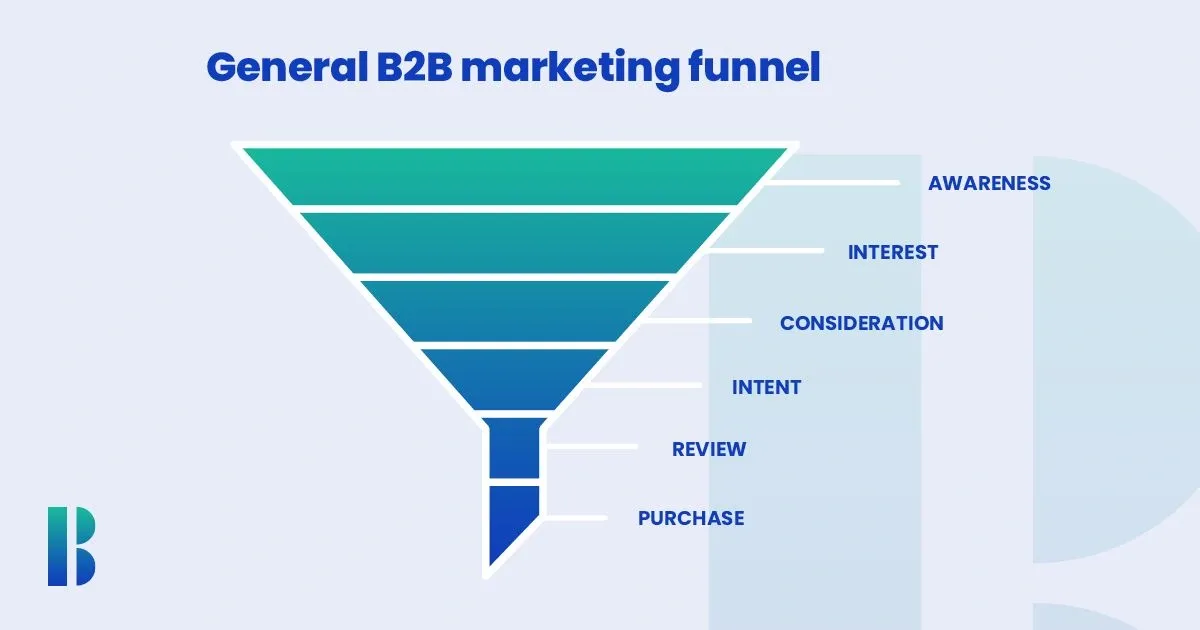
B2B retargeting campaigns work best with precise targeting instead of broad audience approaches. A well-segmented audience helps your ads reach the right decision-makers with messages that appeal to them at their specific stage in the buying experience.
Using behavioral data to define segments
Behavioral data gives better insights than traditional firmographic information alone. Static data like company size or job titles can’t match behavioral signals that show real intent and interest through prospects’ actions on digital platforms. These actions include:
Website interactions, email engagement, content downloads, social media activity, and ad responses paint a clear picture of your audience’s priorities and readiness to buy. You can better anticipate needs and respond faster by analyzing these patterns.
Lead scoring based on behavioral signals creates precise segmentation. High-intent actions like pricing page visits or demo sign-ups get higher point values than simple engagement. This method builds a more accurate model of true buying intent. A prospect who regularly checks product content shows stronger interest than someone who just matches your demographic profile without real engagement.
Yes, it is true that click-through rates for retargeted ads reach 0.7%, which is 10x better than regular display ads at 0.07%. This huge improvement comes from using analytical insights to create relevant messages.
Excluding low-intent or irrelevant users
Building exclusion lists matters just as much as creating target audiences. You should identify visitors you should not retarget:
Start by removing current customers who have already converted. Remove low-quality visitors who barely spent time on your site. You should also exclude employees, partners, and irrelevant groups who aren’t real prospects.
“Negative scoring” helps identify actions that show decreased interest or lead disqualification. This stops score inflation for prospects unlikely to convert and focuses your budget where it counts.
LinkedIn’s pixel doesn’t fire 70% of the time on websites with cookie banners. This creates smaller retargeting audiences than reality. Tools that identify visiting companies without relying only on pixels can help solve this problem.
Creating custom audiences for each funnel stage
Your retargeting segments should match prospects’ position in the buying experience. Top-funnel prospects explore potential solutions. Segment them by industry or company type and share educational content like whitepapers.
Mid-funnel prospects evaluate options. Previous content engagement data guides more focused messaging. Webinars or case studies that address specific challenges work well here. Research shows B2B buyers typically engage with 3-7 pieces of marketing content before talking to sales teams.
Bottom-funnel prospects who are ready to purchase need personalized demos or limited-time offers. High-value deals might need specialized proposals or extended trial periods for revenue-focused segments.
Note that timing plays a crucial role. Early-stage buyers won’t connect with lengthy, solution-specific content. Spread your content across channels based on funnel stage to get the best results.
Designing High-Converting Retargeting Campaigns
“Lifecycle retargeting maps your ad messaging to where prospects are in their buyer journey—awareness, consideration, or decision—delivering ultra-relevant ads that increase conversion efficiency.”
— WhatConverts Research Team, Marketing Analytics Experts at WhatConverts
B2B retargeting campaigns need thoughtful design that speaks directly to potential buyers at each stage of their buying process. Your ads must match your audience’s intent and expectations to improve conversion rates naturally.
Arranging ad creative with user intent
Your ad creative must match the specific signals your prospects show. Generic messages don’t work well with prospects who want solutions for their unique challenges. You should tailor your content based on where buyers are in their process – awareness, consideration, or decision.
Visitors at the top of your funnel need educational content or case studies that build trust. Mid-funnel prospects react better to product demos and success stories. Visitors at the bottom of your funnel who abandoned carts or reached checkout stages need urgent calls-to-action such as limited-time offers or free consultations.
Ads that work speak directly to frustrations and aspirations. They show understanding of specific pain points. This intent-driven approach needs visuals and copy that address unique concerns of each buying committee role.
Using sequential messaging to guide decisions
Sequential messaging delivers connected ads that build upon each other. This creates a narrative that guides prospects through their buying process. Rather than bombarding prospects with the same message, sequential campaigns tell an evolving story.
This approach typically follows three stages:
- Introduction – Brand awareness content appealing to aspirations
- Elaboration – Educational content explaining why your solution addresses their needs
- Action – Strong calls-to-action encouraging conversion
Sequential retargeting groups audiences based on how they engage – those who watched 25%, 50%, 75%, or 100% of your video or audio ads can get increasingly specific follow-up messages. This approach works especially well in B2B contexts where buyers need multiple touchpoints during their longer decision cycles.
Optimizing landing pages for retargeted traffic
Landing pages must deliver on the specific promise made in your retargeting ad. Visitors who return through retargeting show higher intent, so sending them to a generic homepage wastes your acquisition effort.
Headlines should match your ad’s message and calls-to-action should fit the visitor’s funnel stage. Running retargeting ads on Facebook, Instagram, and LinkedIn can boost conversion rates, but only when landing pages deliver what the ad promised.
Setting frequency caps to avoid fatigue
Frequency caps prevent ad fatigue – the point where potential customers get annoyed by seeing your ads too often. Meta offers two approaches: target frequency (controlling average weekly exposures) and frequency cap (limiting maximum exposures within a set timeframe).
A tiered approach proves most effective – set higher frequency caps for users who show stronger purchase intent (visiting product pages or adding items to carts) and lower caps for those who only visited your homepage. Limiting impressions to three times per user per week has shown a 20% increase in conversion rates by keeping engagement high without overwhelming prospects.
Measuring and Improving Retargeting Performance
 Your retargeting metrics show if campaigns meet goals or need adjustments. Making use of information helps you spend your budget wisely and improve campaign results.
Tracking CTR, conversions, and view-throughs
Simple engagement metrics aren’t enough. You need to look at multiple performance indicators. Click-through rates show how well you grab attention, while click-through conversions tell you how many clicks lead to actions like completed forms. View-through conversions are vital for retargeting because people who know your brand might skip ads and visit your site directly.
Cost per lead (CPL) shows campaign efficiency by dividing total ad spend by conversions. It also helps to look at bounce rates to see if landing pages work well. Time spent per page shows if content connects with visitors.
A/B testing creatives and audience segments
Evidence-based testing works better than guessing. You should start by creating a framework that identifies what to test, how many samples you need, and what success looks like. To get reliable data with a 4% baseline conversion rate, you need about 8,000-9,000 visitors.
Test one element at a time—headlines, visuals, or CTAs. This helps you identify exactly what improves your results. This careful approach leads to better user experience and conversion rates while making the best use of resources.
Your test results need at least 100 conversions and 1,000 impressions over 7-14 days to reach 95% confidence. Looking at results by device types, locations, and user behavior shows which changes work best for different audience groups.
Using attribution data to refine strategy
B2B attribution comes with unique challenges. Sales cycles often last more than six months. Things get more complex because 6-10 stakeholders usually take part in B2B buying decisions.
“Dark social” conversations through Slack, WhatsApp, and direct messages create big gaps in attribution. You can tackle these challenges by combining CRM data with first-party website information. This lets you create targeted campaigns while tracking results accurately, even with privacy rules and cookie limitations.
Multi-touch attribution models work well because they track all touchpoints during the B2B buying trip. This gives you accurate insights into what drives conversions in complex buying situations.
Transform Your B2B Retargeting Strategy
B2B retargeting strategies reshape how potential clients connect with your brand during their complex buying experience. This piece explores multiple approaches—from site-based and search retargeting to sophisticated dynamic product and video techniques. Each technique serves specific purposes within your marketing ecosystem.
The best B2B marketers know that retargeting needs precision rather than broad exposure. They segment audiences based on behavioral data and exclude low-intent visitors while creating tailored experiences for each funnel stage. This focused approach yields much higher engagement rates. Retargeted ads perform up to 10x better than standard display advertising.
Your campaign design determines the difference between wasted impressions and qualified leads. Creative assets that line up with specific user intent and sequential messaging naturally guide prospects toward conversion. The strategy becomes complete when you optimize landing pages for retargeted traffic. Each touchpoint strengthens your relationship with potential buyers.
Measurement is the backbone of continuous improvement. You should track click-through rates with view-through conversions and use attribution data to refine your strategy. A/B testing of various elements—from headlines to audience segments—gives practical insights that boost performance over time.
The B2B world changes faster every day, yet these foundational retargeting principles stay relevant whatever the technological changes. You can start using these strategies today, measure results systematically, and adjust tactics based on performance data. Your retargeting campaigns will steadily improve and deliver higher conversion rates and stronger ROI. Your solutions will stay top-of-mind during those critical decision-making moments.
Need advanced B2B ads insights? Visit GrowLeads.io to lead the market!
FAQs
Q1. What makes B2B retargeting different from B2C retargeting?
B2B retargeting focuses on longer sales cycles, multiple decision-makers, and educational content delivery. It requires patience through extended decision-making processes and addresses various stakeholders’ concerns simultaneously, unlike B2C retargeting which emphasizes quick conversions and product offers.
Q2. How can behavioral data improve B2B retargeting campaigns?
Behavioral data provides deeper insights into prospects’ actual intent and interest. By analyzing patterns like website interactions, content downloads, and ad responses, marketers can create more accurate audience segments and deliver highly relevant messaging, resulting in significantly better performance compared to traditional demographic targeting.
Q3. What are some effective types of B2B retargeting strategies?
Effective B2B retargeting strategies include site-based retargeting, search retargeting, email retargeting, social media retargeting (especially on LinkedIn), dynamic product retargeting, and video retargeting. Each approach serves different purposes and can be tailored to specific stages of the B2B buying journey.
Q4. How can sequential messaging enhance B2B retargeting efforts?
Sequential messaging delivers a series of connected ads that build upon each other, creating a narrative that guides prospects through their buying journey. This approach typically follows stages of introduction, elaboration, and action, allowing for increasingly specific follow-up messages based on engagement levels, which is particularly effective for B2B’s longer decision cycles.
Q5. What key metrics should be tracked to measure B2B retargeting performance?
Important metrics for B2B retargeting include click-through rates (CTR), click-through conversions, view-through conversions, cost per lead (CPL), bounce rates, and time spent per page. Additionally, implementing multi-touch attribution models can provide more accurate insights into what truly influences conversion in complex B2B purchasing environments.

Malay is the VP of Growth & Operations at Growleads, where he transforms businesses through automation, behavioral analytics, and omni-channel scaling strategies.
As a growth strategist, Malay has helped organizations streamline operations, decode customer behavior, and scale revenue through data-driven automation. His expertise spans process optimization, conversion analytics, and building scalable growth systems that deliver measurable results.